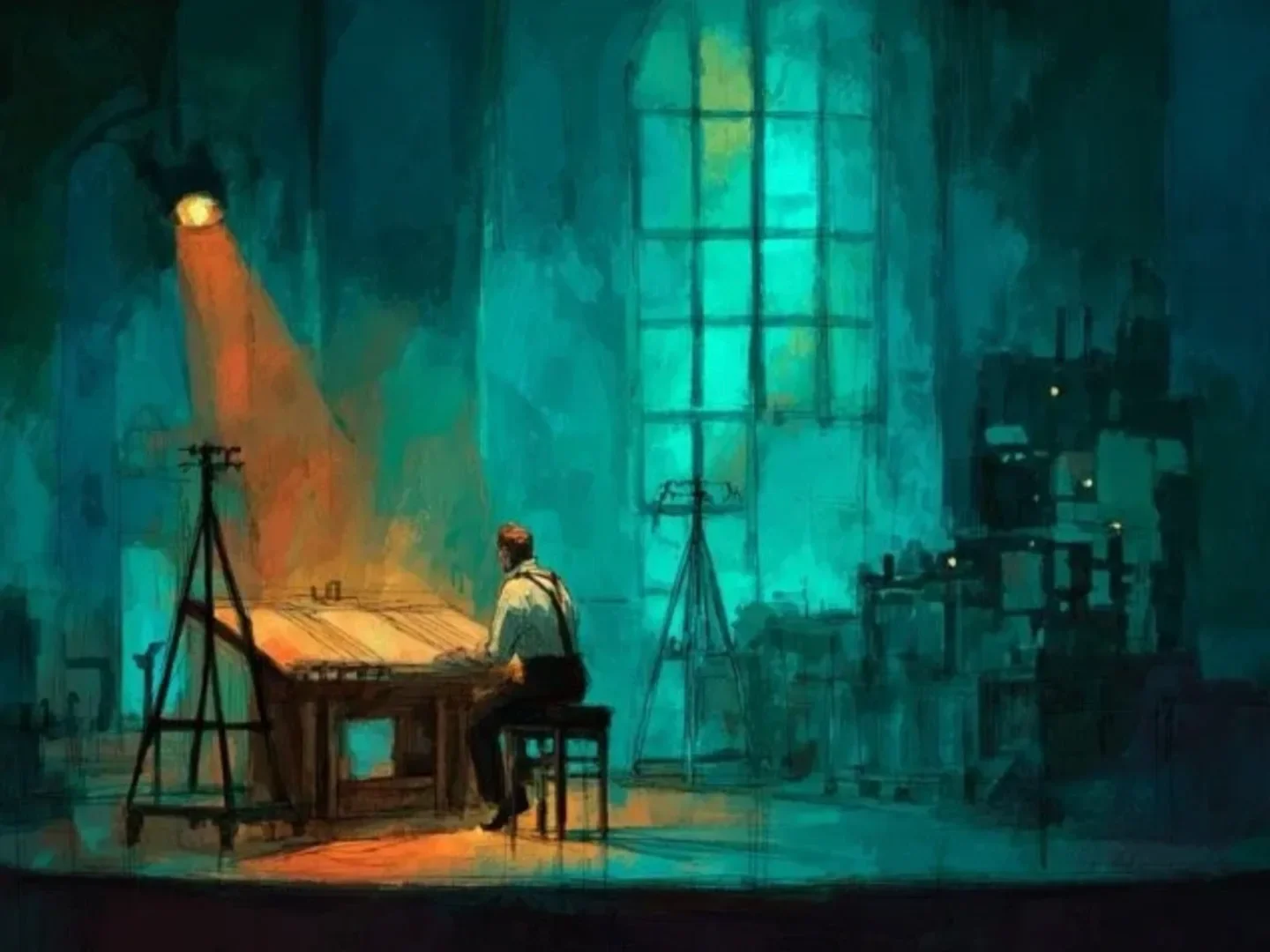
Live theatre is experienced visually before it is understood intellectually.
An audience does not wait for dialogue to begin forming impressions. They register spatial balance, light intensity, color relationships, and architectural scale almost immediately. Scenic design operates within this instinctive perception. It shapes emotional tone, supports storytelling, and guides attention long before narrative context is fully processed.
Because of this, scenic designers are not simply arranging objects onstage. They are constructing environments that influence movement, define relationships, and create emotional conditions for performance.
At some point in the design process, I often remind students of something essential:
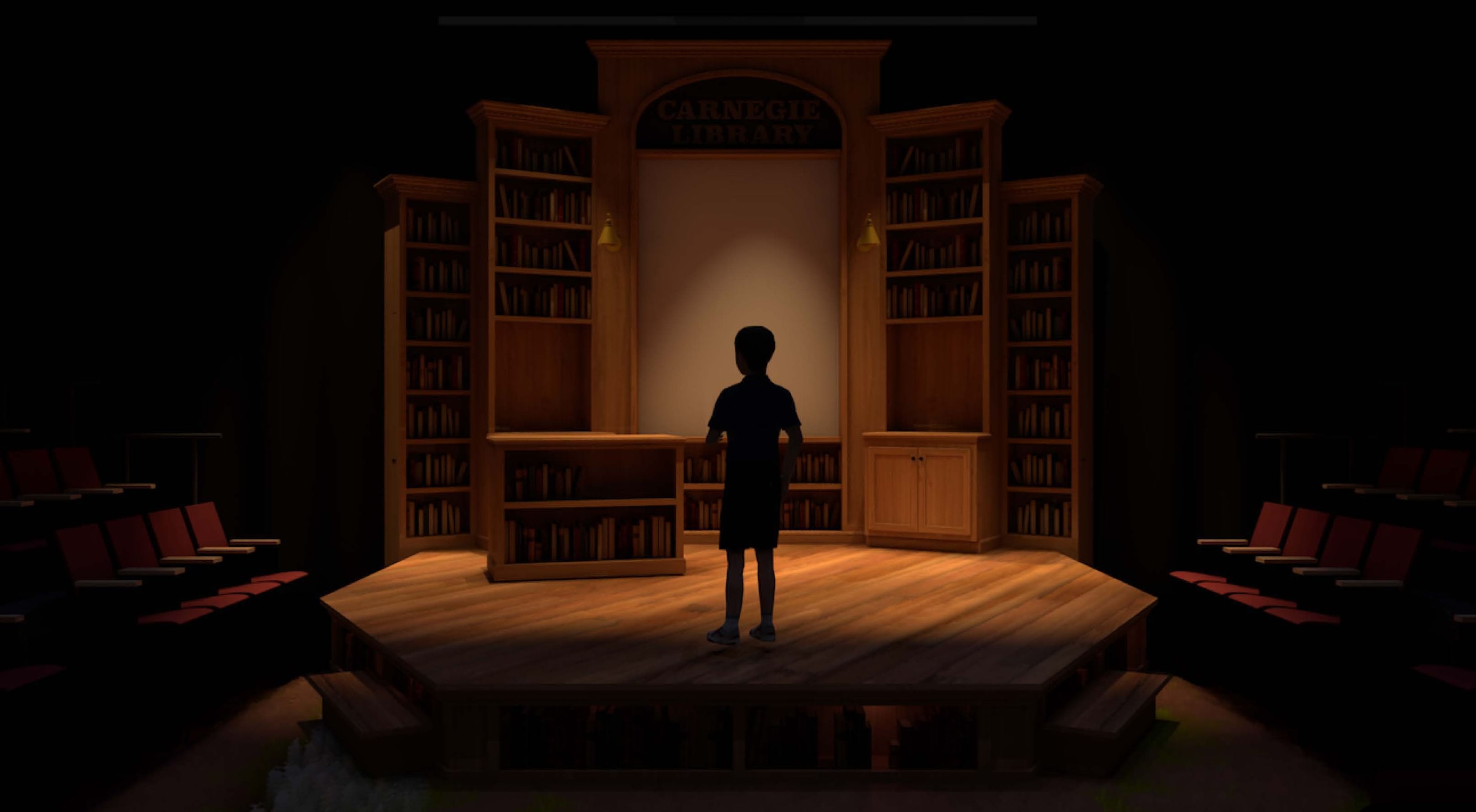
My job isn’t to create a rendering. My job is to create a live experience. Renderings help sell it, but the real goal is the audience’s feelings.
To shape meaningful theatrical environments, designers rely on the foundational elements and principles of design. These ideas are not academic abstractions. They are practical tools that help directors stage action, help performers navigate space, and help audiences understand the world of the play.
The Elements of Design in Scenic Practice
Point — Establishing Focus
A point is the simplest visual element, yet it can carry enormous dramatic weight. A single illuminated doorway in a dark environment creates anticipation. A solitary chair placed downstage can suggest emotional isolation before a performer even enters.
Designers use points to anchor visual attention. In large scenic compositions, small concentrated moments often become the audience’s first emotional connection to the space.
Line — Directing Movement and Energy
Lines exist everywhere in theatre: in staircases, platform edges, portals, railings, and lighting angles. They guide how the audience’s eye travels through the performance.
Diagonal lines often introduce urgency or instability. Horizontal lines can create calm or inevitability. Vertical elements may suggest confinement, ritual, or authority. Designers also consider how performers move in relation to these visual pathways. Movement aligned with scenic lines can feel harmonious, while movement against them can create tension.
Line shapes dramatic momentum as much as visual composition.
Shape — Organizing the Stage Picture
Shape refers to how scenic elements relate graphically across the stage. Clear geometric compositions can make environments feel intentional and legible. Fragmented or irregular shapes may suggest emotional disruption or social instability.
Directors often respond strongly to shape because it influences blocking patterns. A triangular playing area encourages different staging choices than a symmetrical rectangular one.
Form and Mass — Creating Physical Presence
Form gives scenic environments dimensional weight. Large architectural masses can establish power relationships. Elevated platforms create hierarchy. Compressed spaces may intensify intimacy or conflict.
Audiences instinctively read form. They sense scale, distance, and physical risk even before performers interact with the environment.
Color — Establishing Emotional Temperature
Color communicates mood immediately. Warm palettes may suggest memory, comfort, or celebration. Cooler tones can introduce emotional distance, melancholy, or psychological tension.
Onstage, color interacts continuously with lighting and costume. Designers use color not simply for decoration, but as emotional framing that supports genre, period, and tone.
Value — Guiding Attention Through Contrast
Value describes the relationship between light and dark. Strong contrast can isolate performers and create clear visual hierarchy. Low contrast environments may support realism or ambiguity.
Value also defines spatial depth. Bright foreground areas feel immediate and intimate. Darkened backgrounds can feel distant or unknowable. These relationships help structure audience focus throughout a performance.
Texture — Suggesting Material History
Texture communicates how a world has been lived in. Rough surfaces can imply age, labor, or decay. Smooth finishes may suggest modernity, wealth, or institutional control.
Lighting reveals texture in subtle ways, enriching scenic environments without adding visual clutter. Even minimal sets gain narrative depth when material surfaces feel authentic.
Space — Constructing Depth and Relationship
Designers manipulate spatial relationships to influence emotional experience. Layered scenic environments allow simultaneous action across visual planes. Elevation changes reinforce social hierarchy. Narrow spaces intensify confrontation. Open environments can suggest freedom or isolation.
Space in theatre is both physical and psychological.
The Principles of Design in Live Scenic Storytelling
Balance — Stability and Instability
Balance refers to how visual weight is distributed across the stage picture. Symmetrical environments often feel formal, ritualistic, or inevitable. Asymmetrical compositions can introduce unease or anticipation.
Designers use balance to shape emotional tone before narrative conflict becomes explicit.
Emphasis — Directing Audience Focus
Every stage moment requires a focal point. Light concentration, scale contrast, or spatial isolation can establish emphasis. When everything competes equally for attention, audiences may struggle to understand what matters.
Clear emphasis supports both staging clarity and emotional engagement.
Contrast — Defining Difference and Dramatic Tension
Contrast occurs through differences in value, color, scale, texture, or spatial density. A bright performer against a dark environment becomes instantly significant. A delicate interior placed inside a vast architectural frame can heighten vulnerability.
Designers use contrast to clarify relationships and intensify dramatic stakes.
Rhythm — Creating Visual Pacing
Rhythm emerges through repetition and variation. Repeating scenic forms can guide the eye across the stage. Alternating light and shadow patterns can support emotional transitions.
Just as dialogue and music create temporal rhythm, scenic design can create visual pacing that shapes how audiences experience time within a performance.
Movement — Dynamic Spatial Experience
Movement in scenic design is not limited to moving scenery. It exists in how visual energy travels across the stage picture.
Angled compositions, layered sightlines, and directional lighting can suggest motion even in still moments. Designers consider how the eye moves before actors do.
Proportion and Scale — Human Relationship to Environment
The relationship between performer and architecture communicates meaning immediately. Oversized environments can create vulnerability or awe. Compressed spaces can intensify psychological pressure.
Proportion helps audiences understand power dynamics before they are spoken.
Unity — Creating a Cohesive World
Unity occurs when scenic elements, lighting, color palette, and spatial logic function together. Even highly stylized productions require internal consistency for audiences to trust the environment.
When unity is achieved, the design becomes expressive rather than decorative.
Variety — Sustaining Visual Interest
Variety prevents monotony. Differences in texture, scale, lighting intensity, or spatial arrangement can keep environments visually engaging while still maintaining unity.
Designers balance consistency with variation to support long-form storytelling.
From Live Experience to Visual Communication
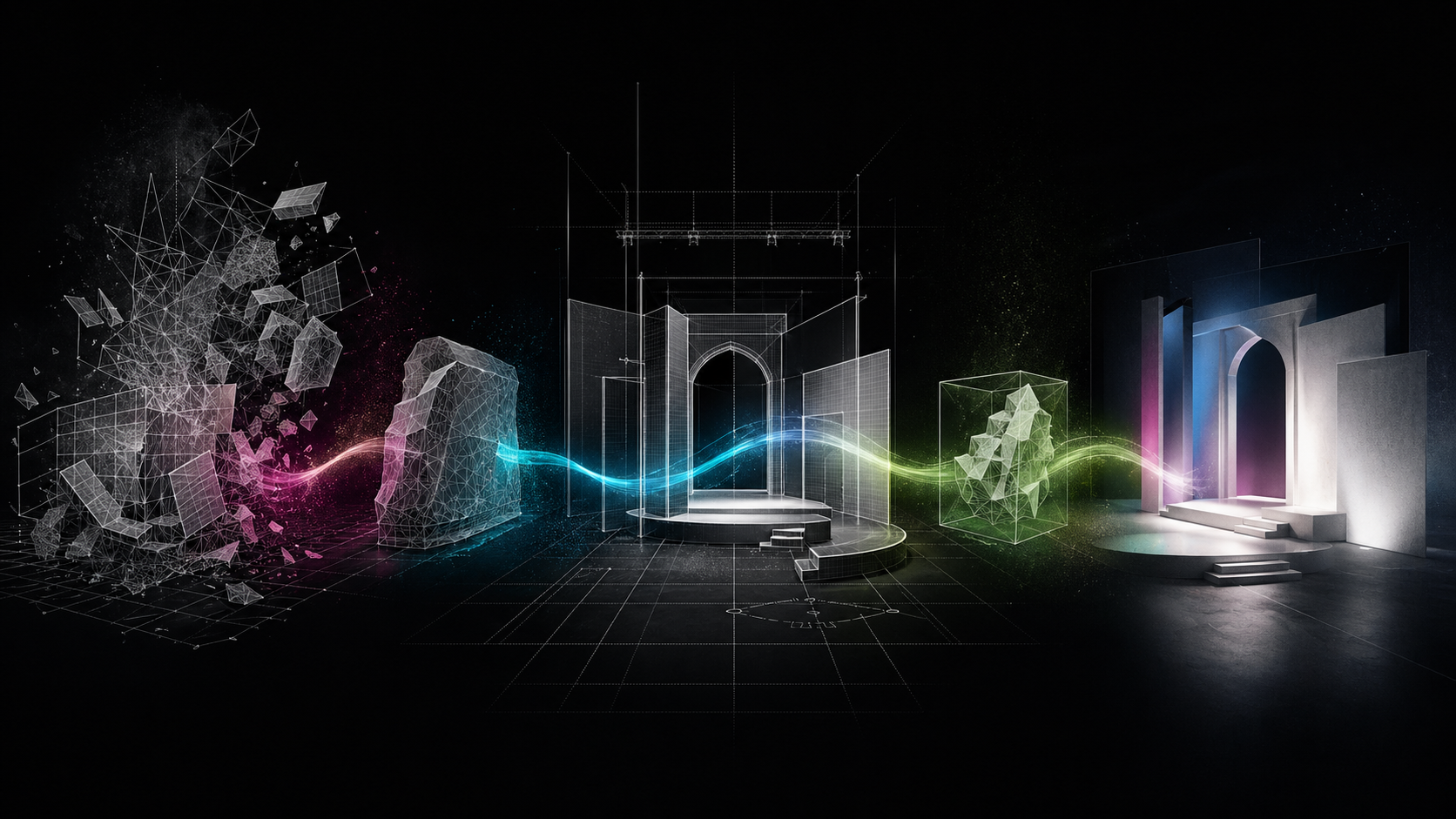
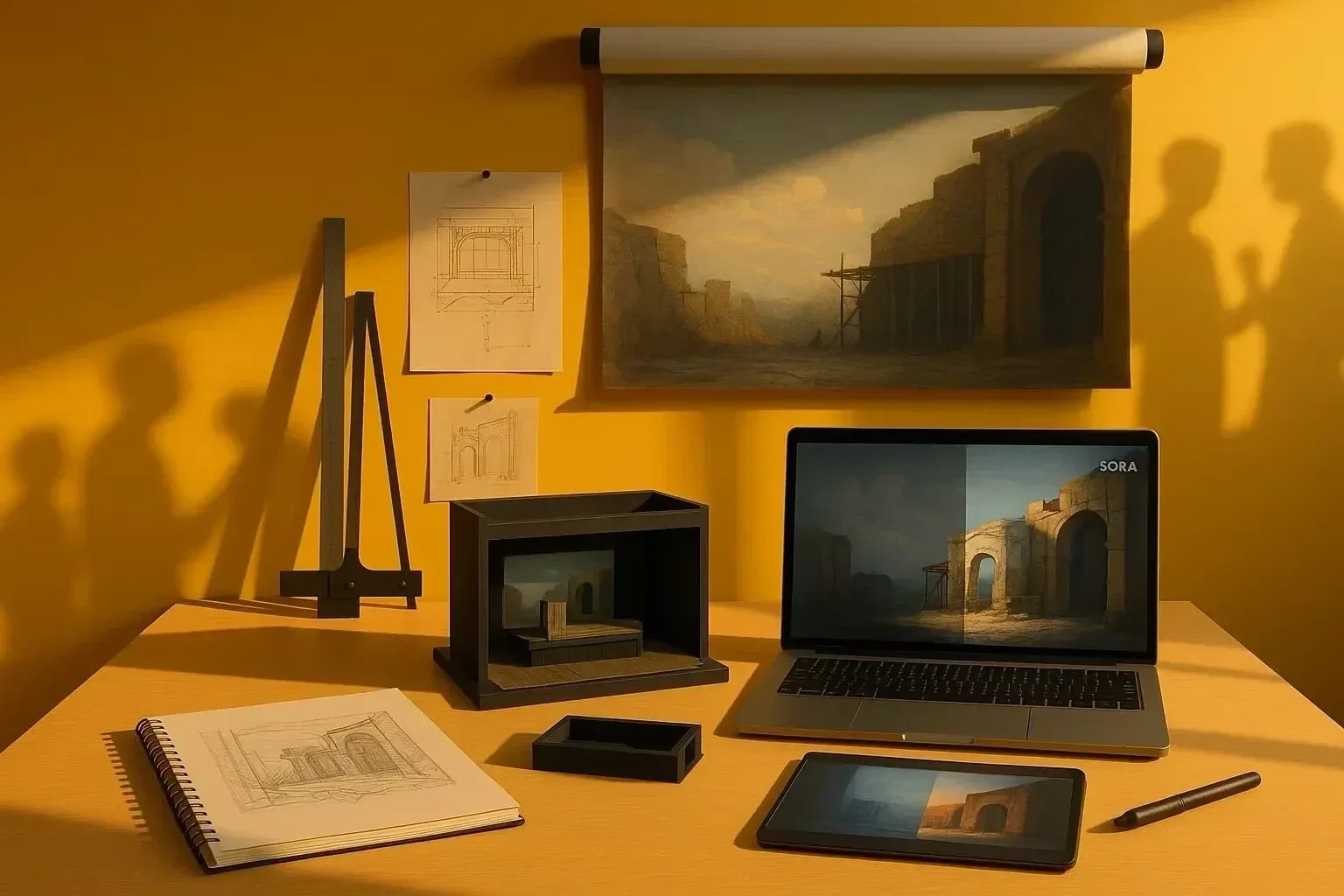
Live theatre is collaborative and temporary. Scenic environments must be imagined, discussed, and refined long before they are physically built. The same visual language that shapes stage pictures must also guide how designers communicate ideas through drawings, models, and renderings.
Understanding the elements and principles of design allows scenic designers to construct images that convey atmosphere, hierarchy, and emotional tone with clarity. In the next article, [What Makes a Good Scenic Design Rendering](/articles/what-makes-a-good-scenic-design-rendering), we explore how this live visual language translates into scenic rendering practice and how digital tools can support storytelling while keeping the live experience at the center of the work.