The Pajama Game
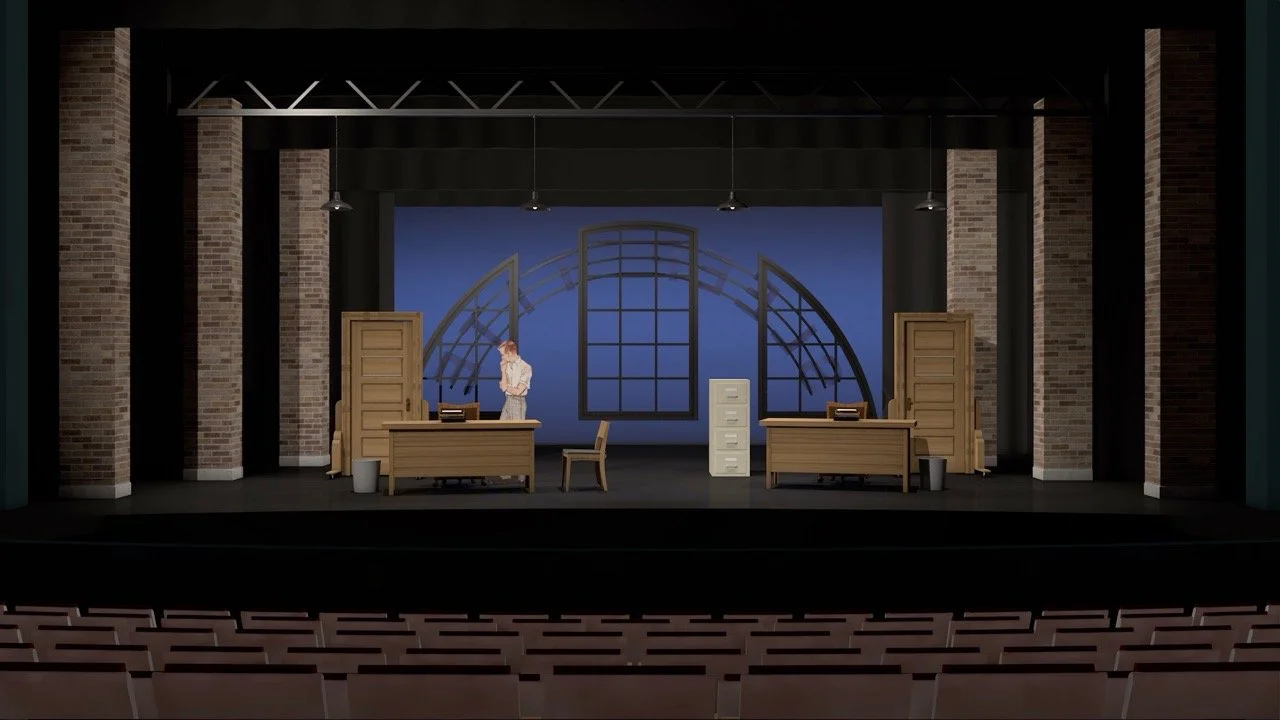
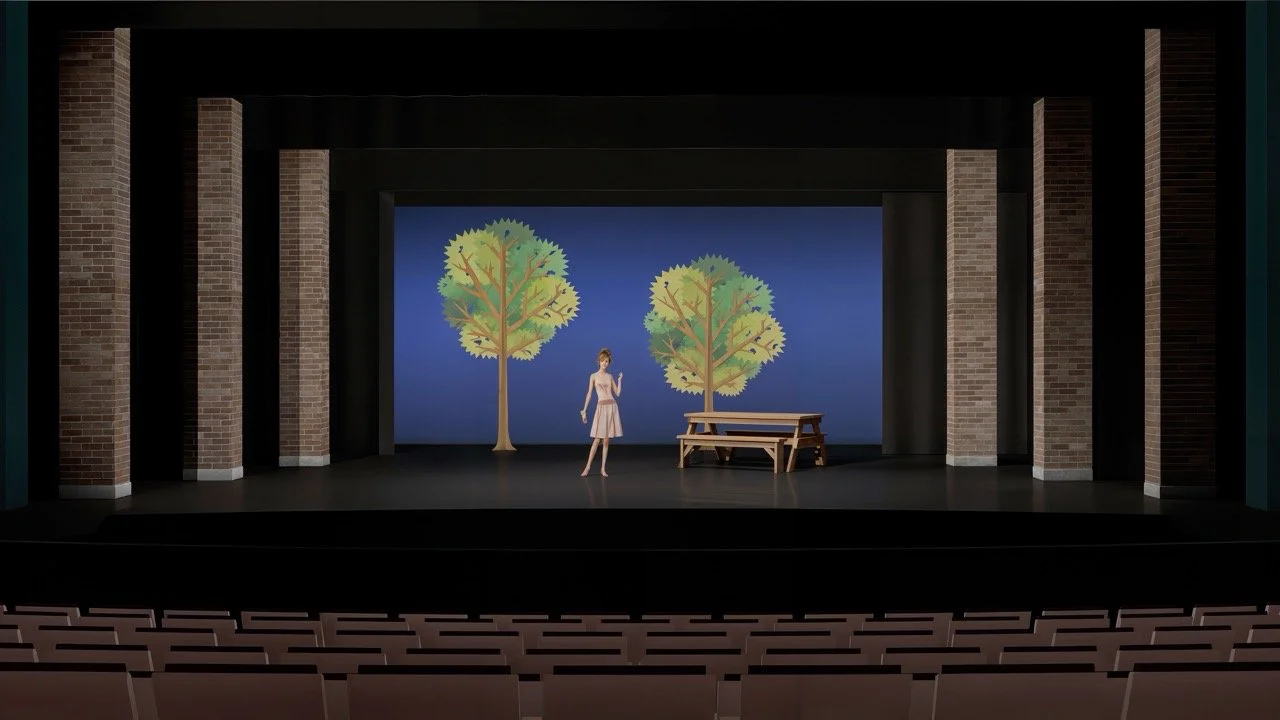
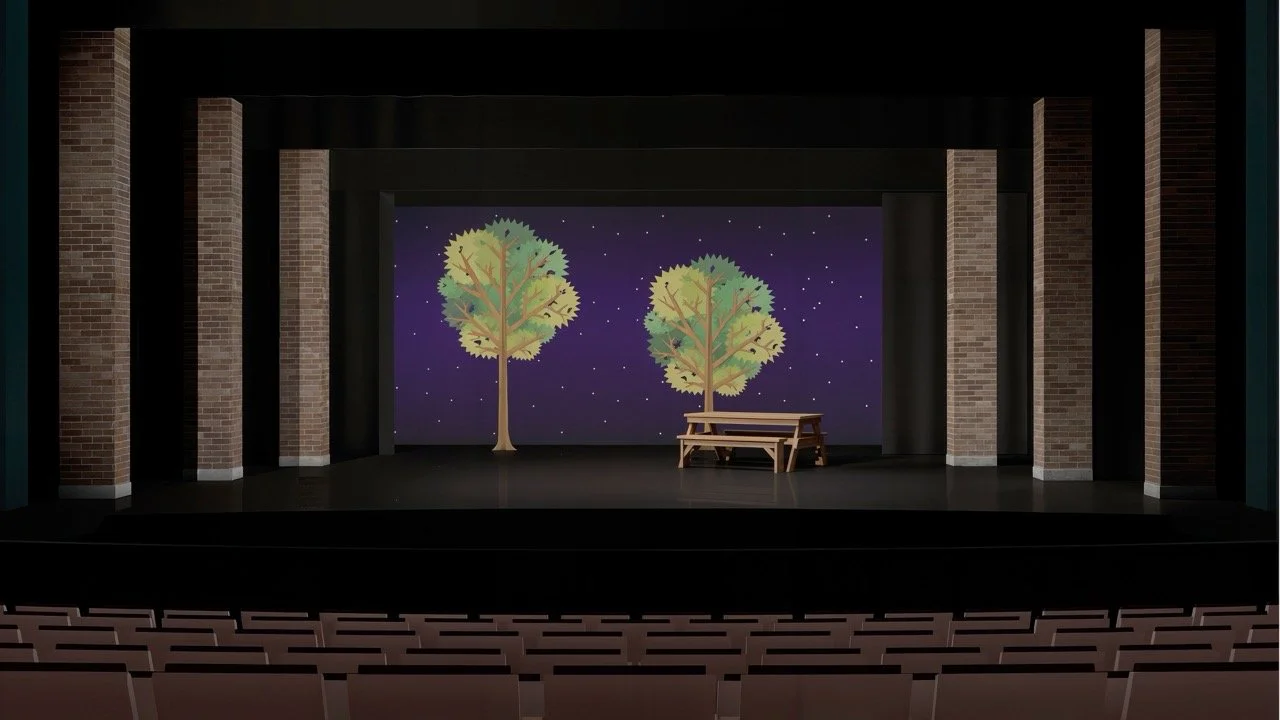
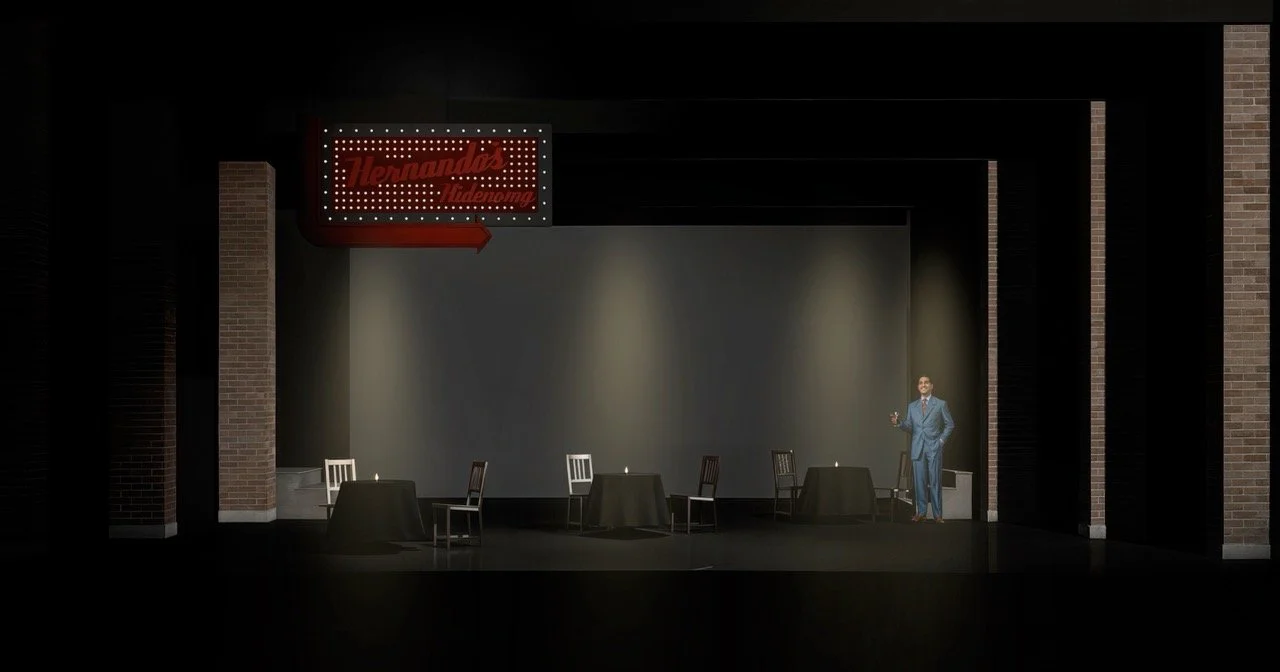
Bold signage, modular factory architecture, and mid-century graphic energy support both romance and labor tension in The Pajama Game.
University of California Irvine2019
Description
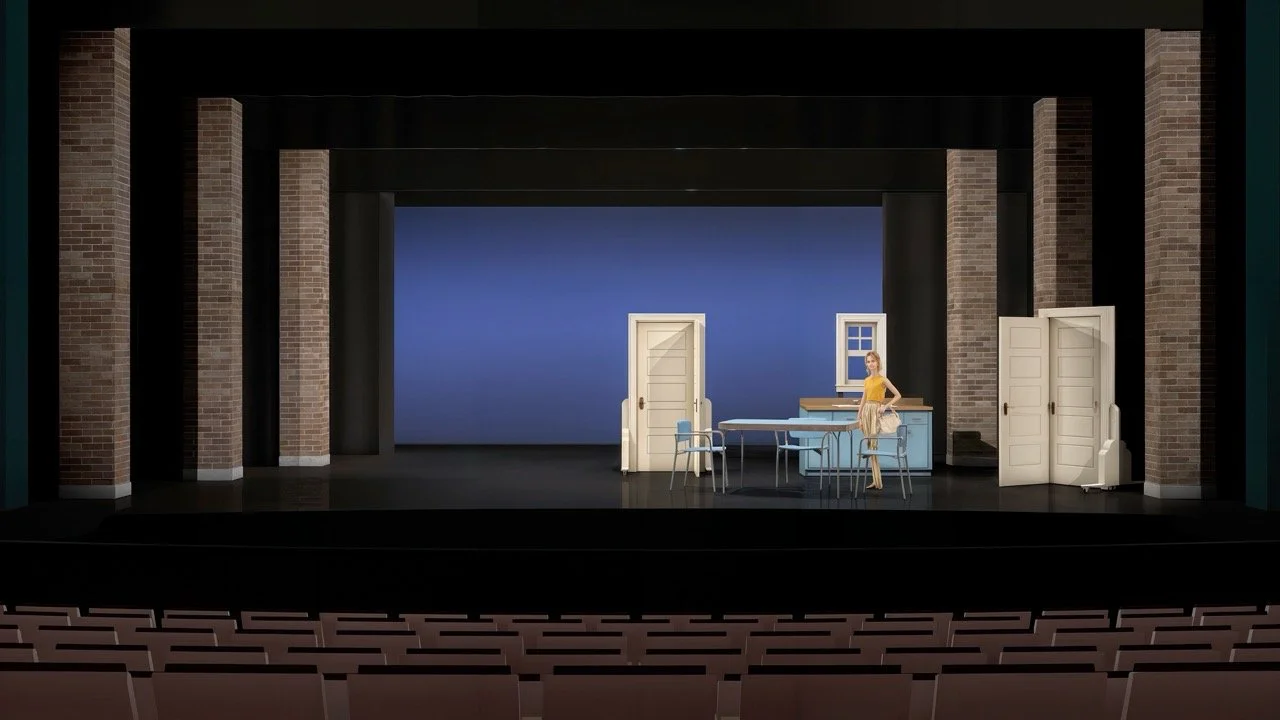
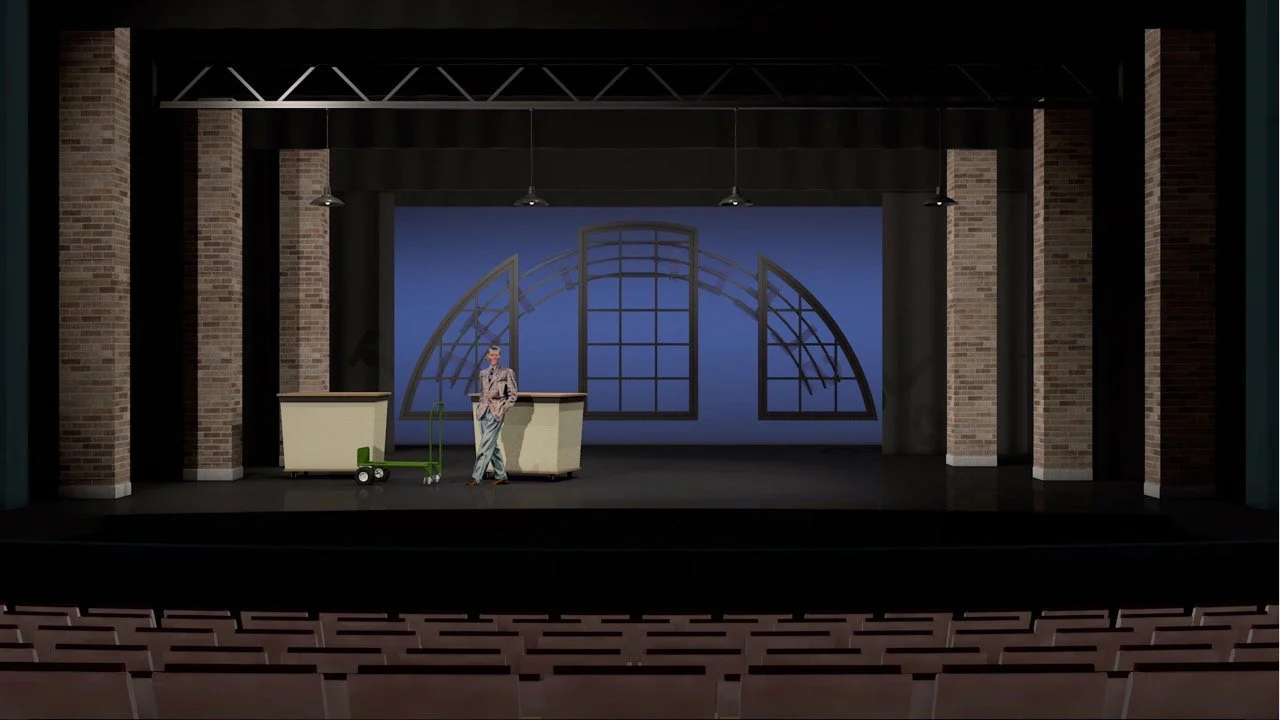
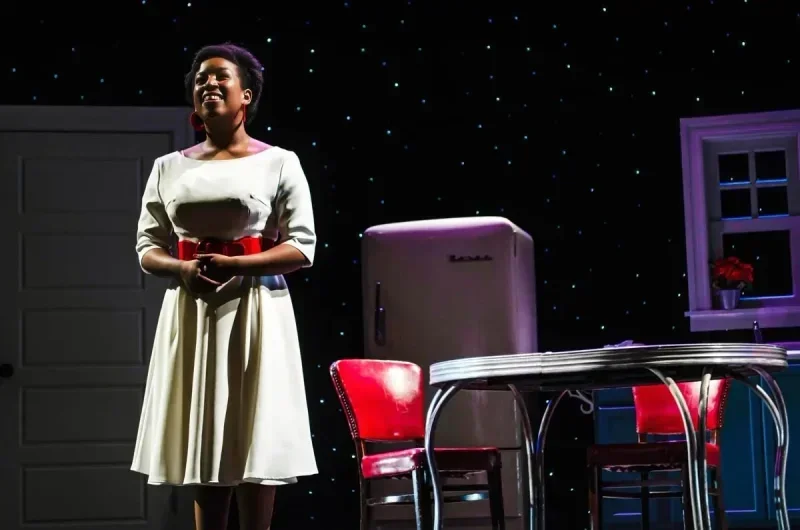
The Pajama Game needed a world that could move as fast as the score. At UC Irvine, bold signage and shifting factory elements framed the Sleep-Tite Pajama Factory, giving the stage a clear graphic identity and room for dance.
The story balances romance with a labor dispute, so the world had to support both pleasure and pressure. Repeating structures, workplace signage, and a vibrant period palette suggested postwar optimism while keeping the conflict over wages visible.
Credits
Book byGeorge Abbott & Richard Bissell
Music and LyricsRichard Adler & Jerry Ross
Directed byDon Hill
ChoreographyAllison Eversol
Music DirectionLex Leigh
Scenic DesignBrandon PT Davis
Costume DesignSarah Monaghan
Lighting DesignNatori Cummings-Haynes
Sound DesignNingru Guo
Links