Projects (7)
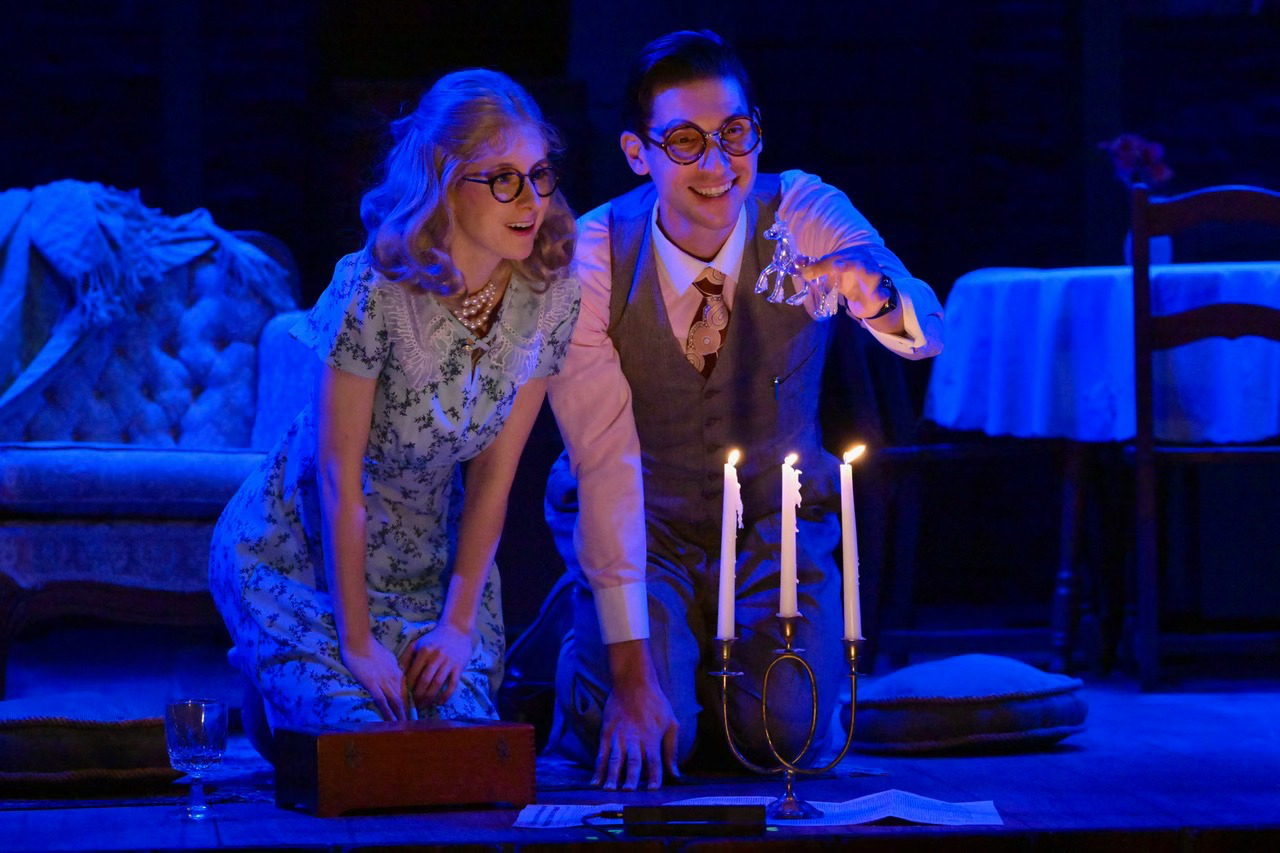
The Glass Menagerie
The Glass Menagerie at Maples Repertory Theatre, directed by Kimberly Braun, was staged as a memory play shaped by Tom Wingfield’s recollection rather than a literal apartment. The scenic environment emphasized fluid movement and emotional geography, supporting the play’s themes of longing, confinement, and escape.
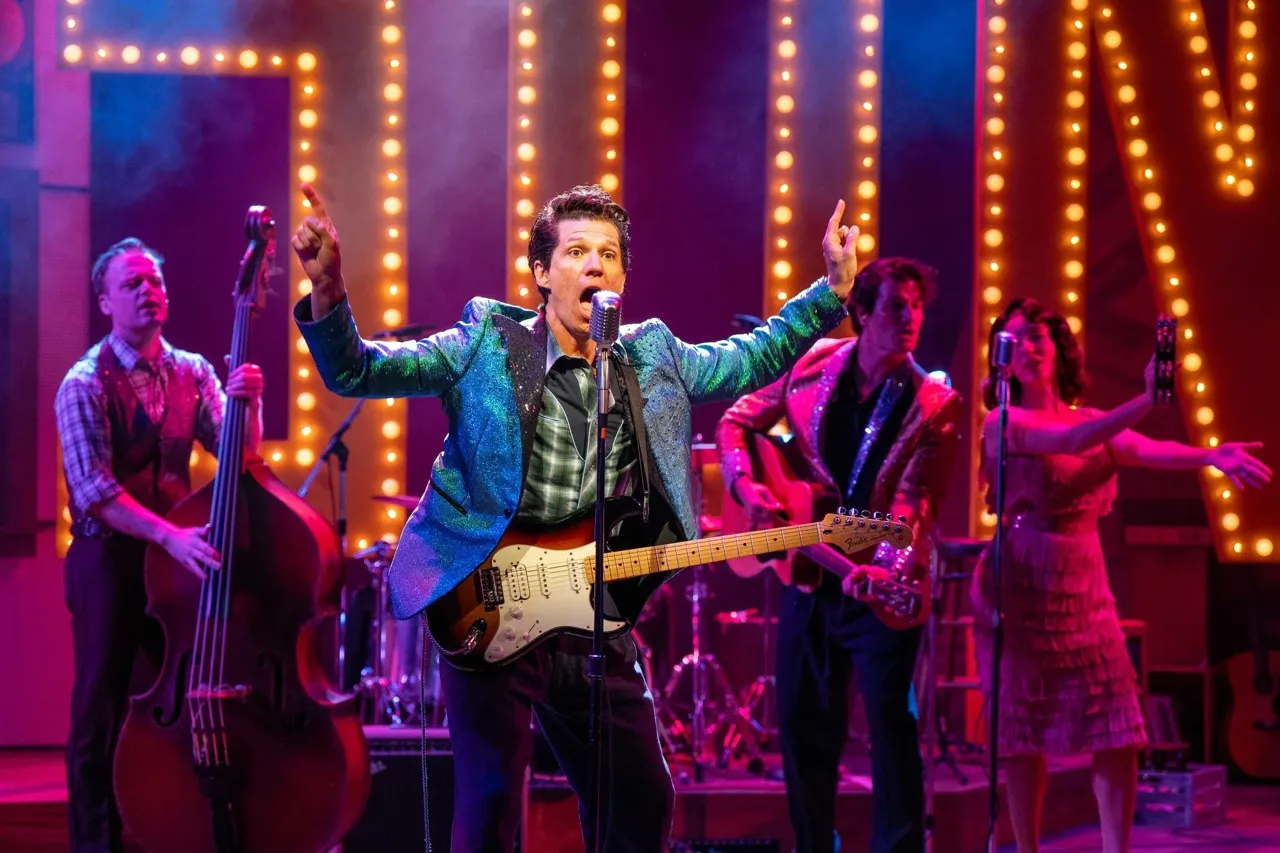
Million Dollar Quartet
Discover the stunning co-scenic design for the 2025 production of Million Dollar Quartet, capturing the iconic recording session of Elvis Presley and his legendary peers.
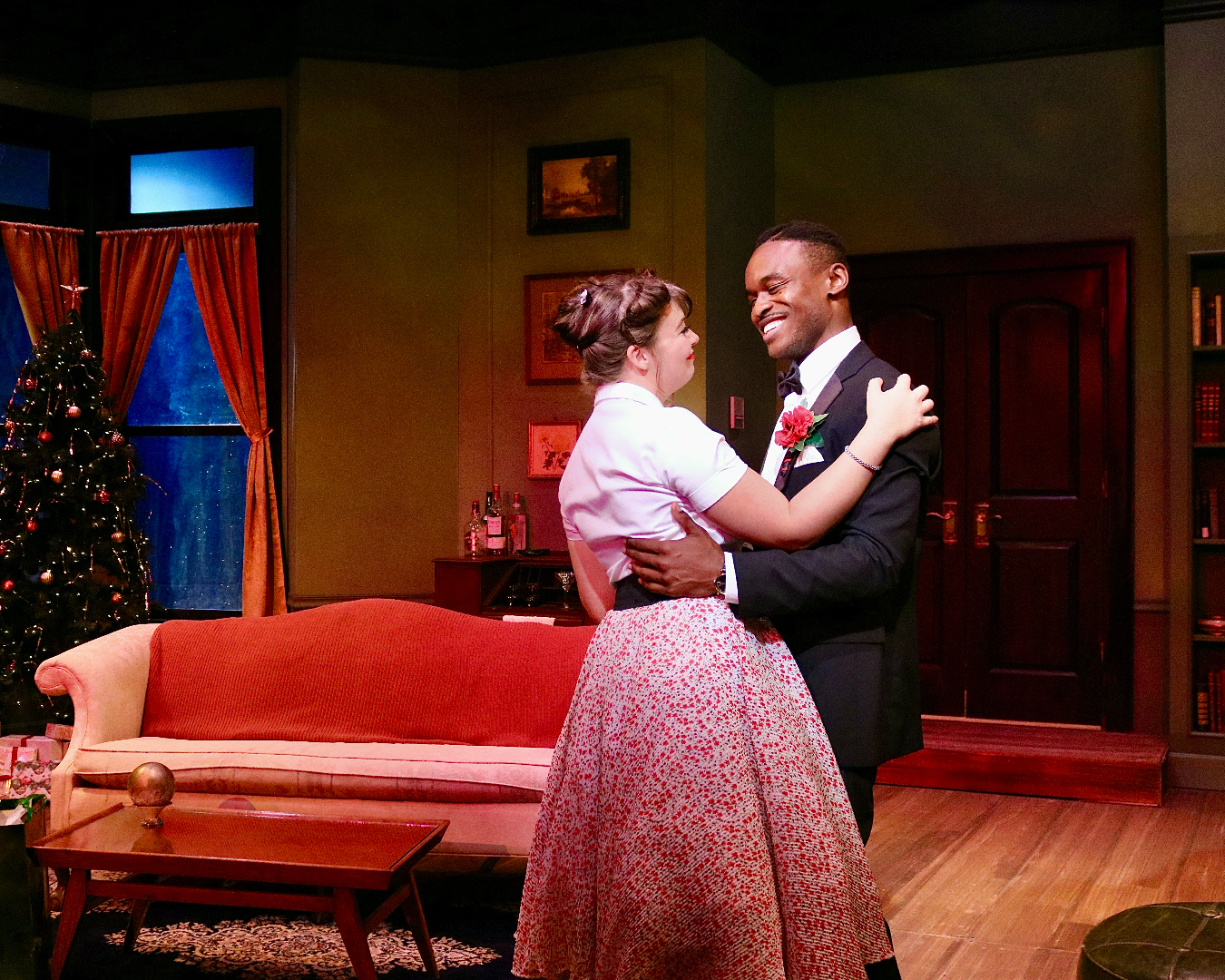
Bell, Book, and Candle
Bell, Book and Candle was designed as a grounded, realistic interior that supports the play’s wit and intimacy while quietly framing its supernatural undercurrents. The scenic design focused on creating a believable, mid-century apartment environment with a warm domestic scale and a distinctive green palette that subtly heightened the play’s mood without pushing the space into abstraction.
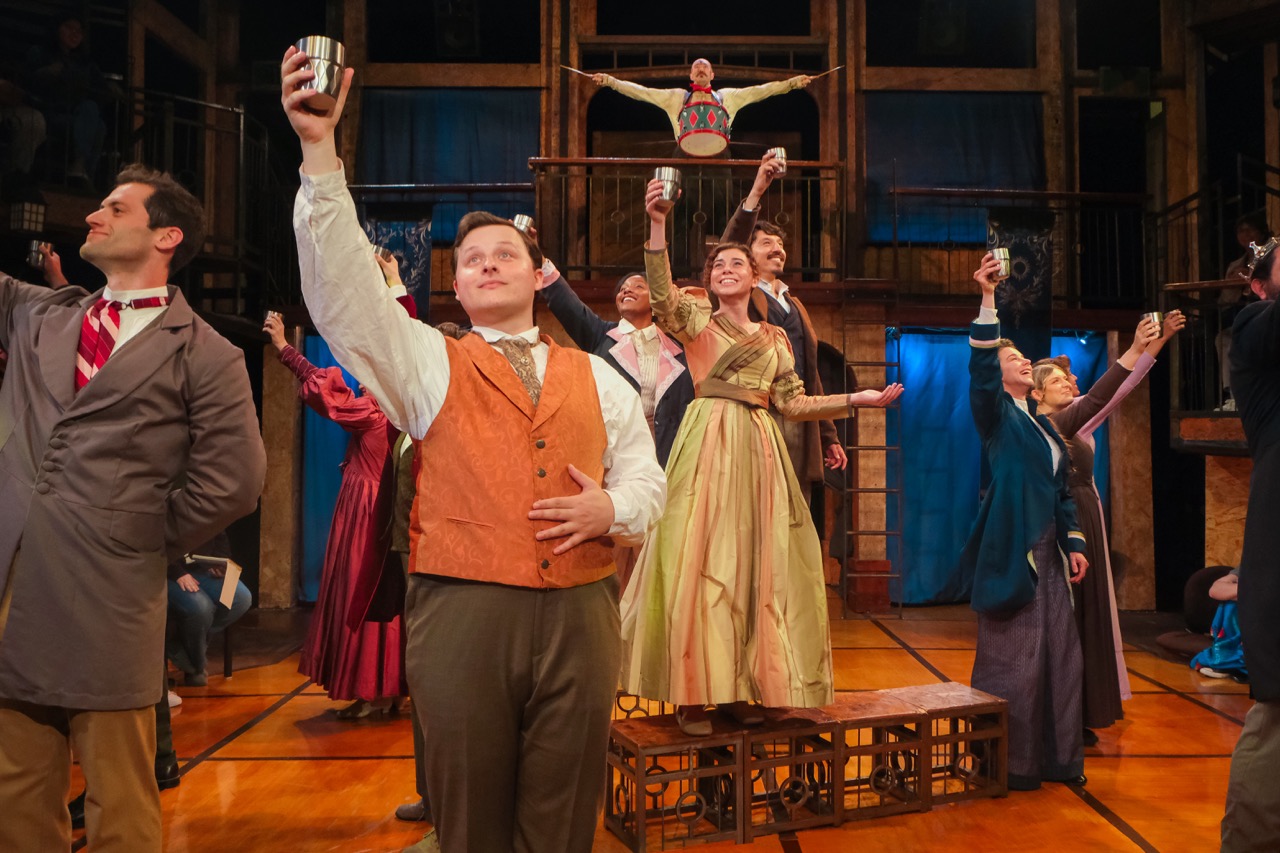
All's Well That Ends Well
Experience breathtaking scenic design at the 2025 New Swan Shakespeare Festival for "All's Well That Ends Well"—where elegance meets dynamic storytelling.
Much Ado About Nothing
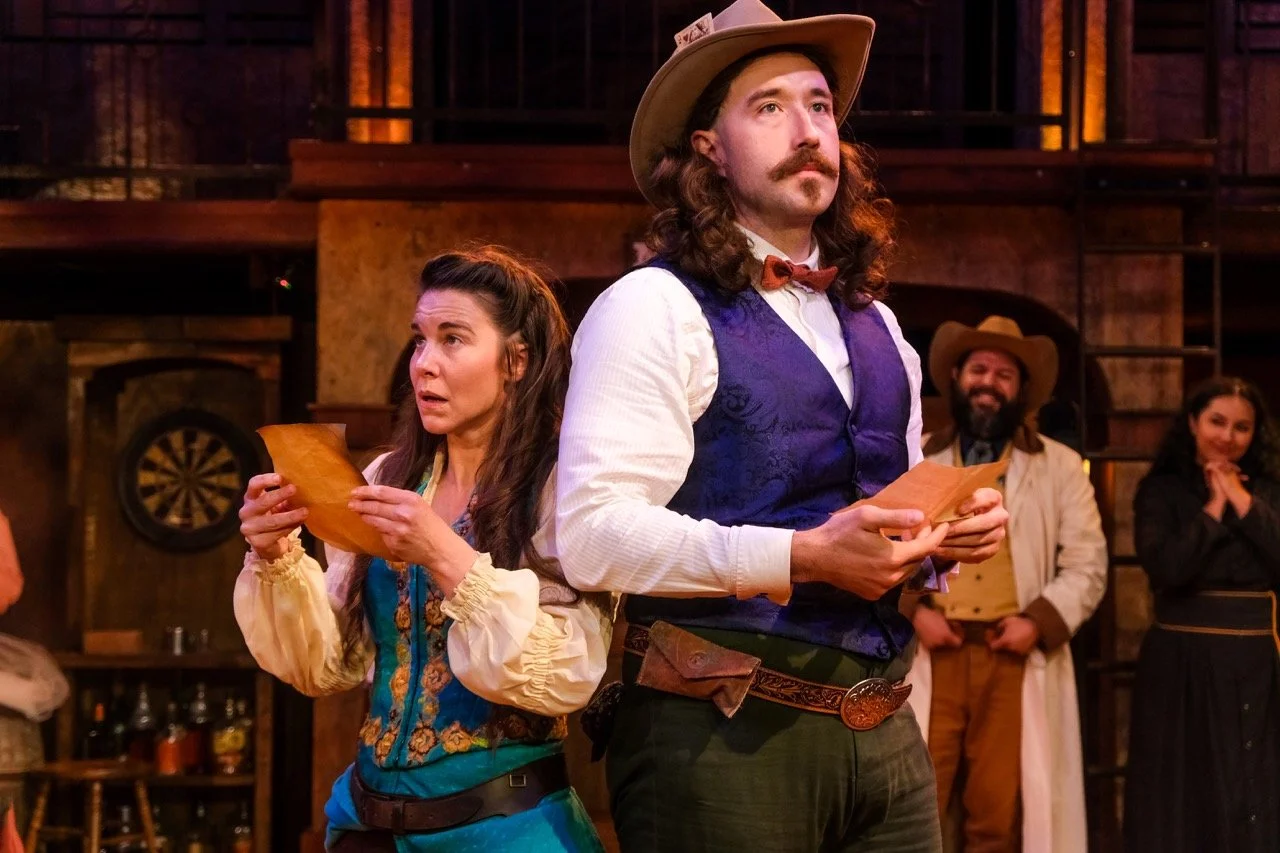
Scenic design for Shakespeare's romantic comedy set in the American Southwest, featuring live bluegrass music.
Rab Bothy Activation
Cool Project
First Bank Lollipop Pop Up
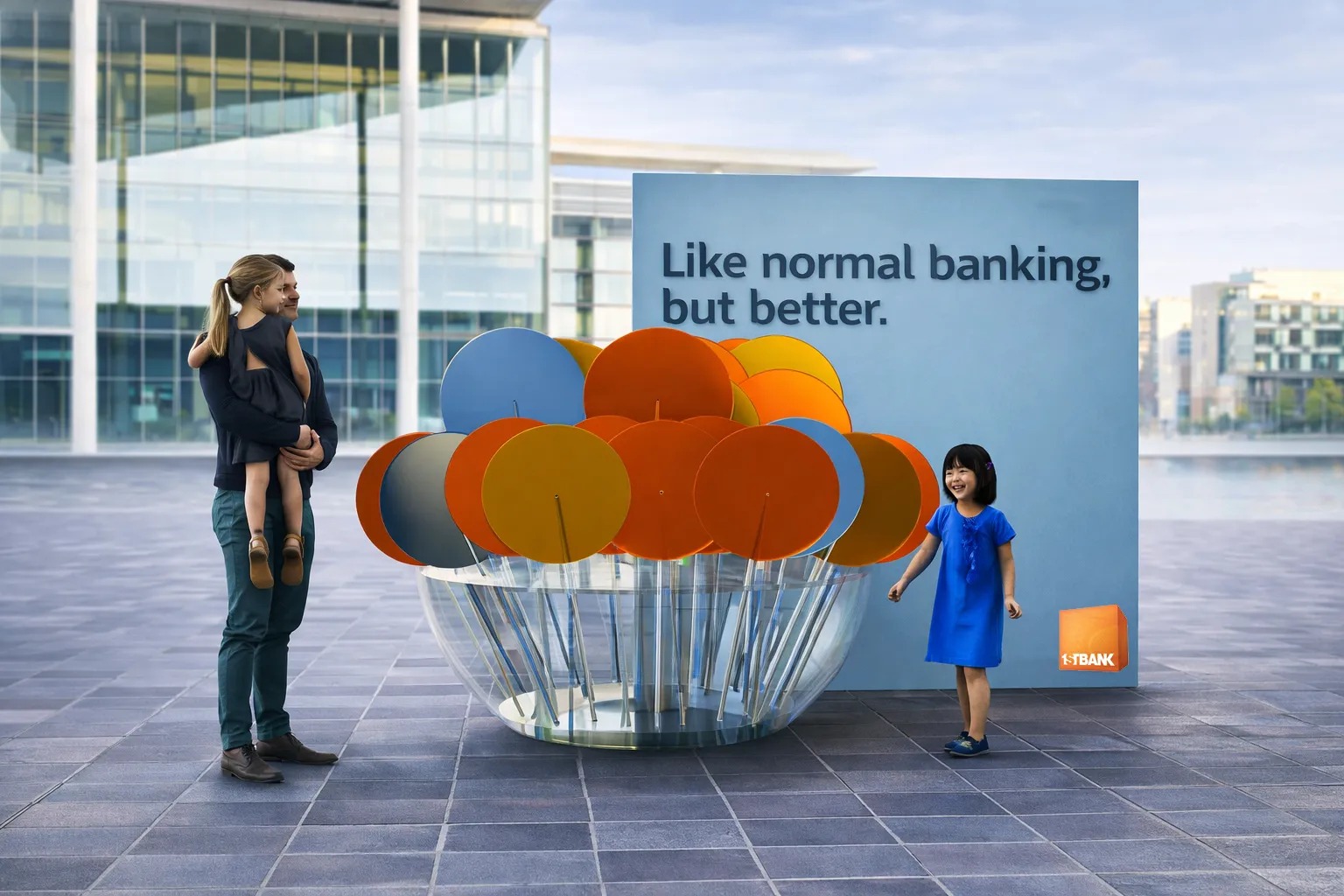
This experiential pop-up installation was developed in collaboration with Lumenati for FirstBank as part of a branded activation that later became a commercial campaign. The project centered around a playful, large-scale gesture: a fabricated oversized bowl filled with giant lollipops that guests could interact with and take away. While the concept was lighthearted, the execution required careful coordination between visual design, structural logic, and fabrication constraints. My role focused on supporting the creative and fabrication teams through visualization and technical design. One of the primary challenges was determining how to aesthetically and structurally arrange a combination of real and fabricated lollipops within the bowl. The installation needed to feel abundant and intentional, while remaining durable, safe, and visually consistent from multiple viewing angles—including camera-facing perspectives for commercial photography. I developed a series of renderings to explore scale, density, color balance, and placement, allowing the team to evaluate multiple approaches before fabrication began. These studies helped resolve questions around proportion and distribution, ensuring the lollipops read as a cohesive composition rather than competing individual objects. As the design progressed, I translated these studies into technical drawings that detailed the bowl geometry and internal disk system used to support and position the lollipops. The technical documentation was used directly by the fabrication department, bridging the gap between concept and build. This process-driven approach allowed the team to move efficiently into fabrication with a clear understanding of both the visual intent and structural requirements. The final installation successfully delivered a bold, approachable visual experience that worked for public engagement and on-camera use. The project highlights my ability to collaborate across disciplines, using rendering and technical drafting as tools to support experiential design at scale.