Brandon PT Davis
Scenic design, rendering, and learning resources shaped by story.
Based in San Diego, Brandon builds theatre environments, rendering studies, and practical learning resources for artists who care about story, clarity, and how an idea moves from sketch to stage.

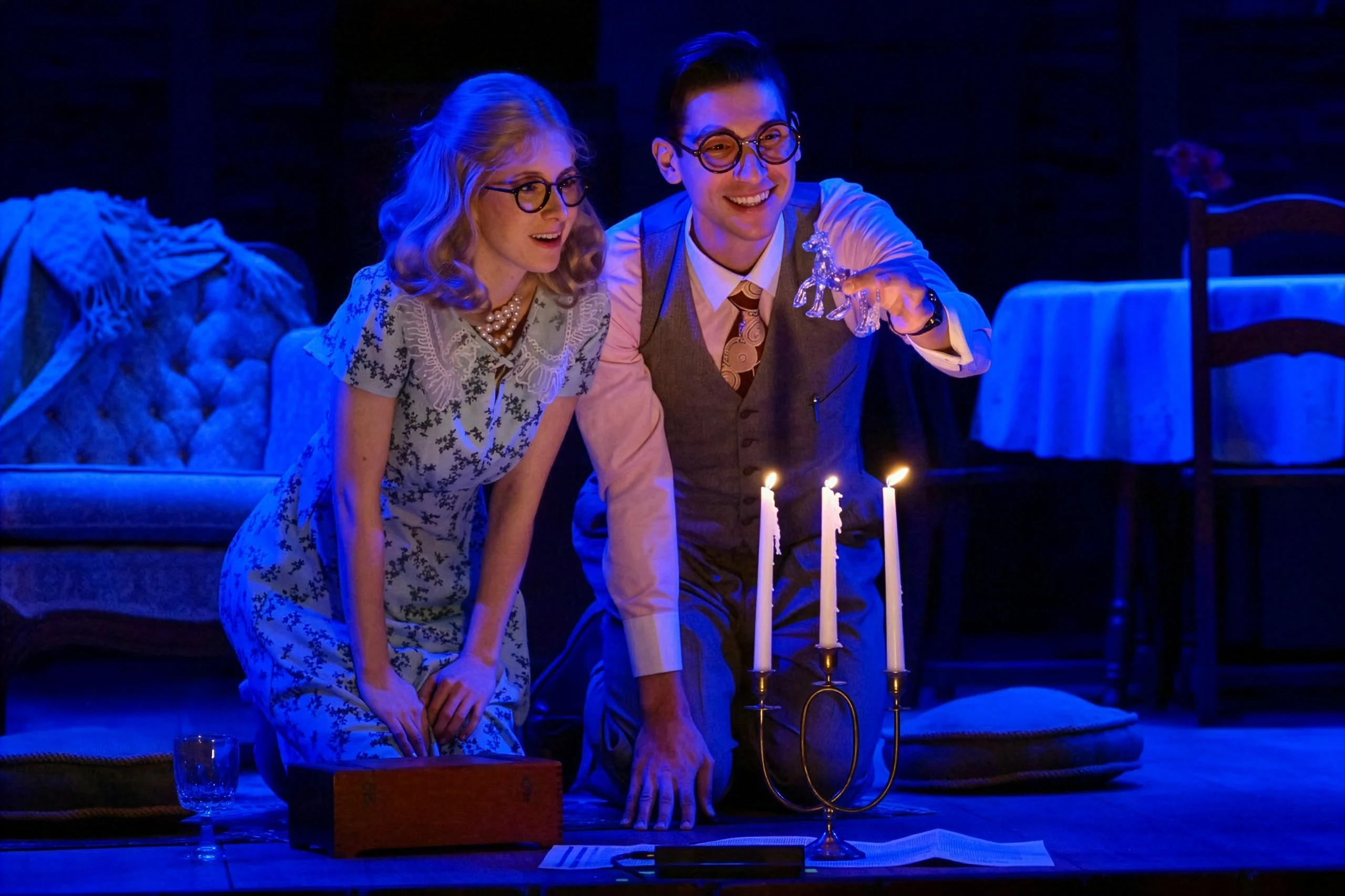
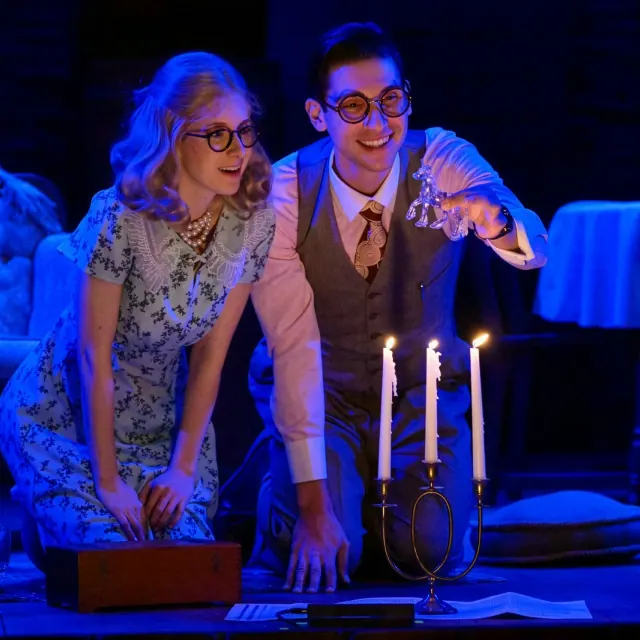
The Glass Menagerie

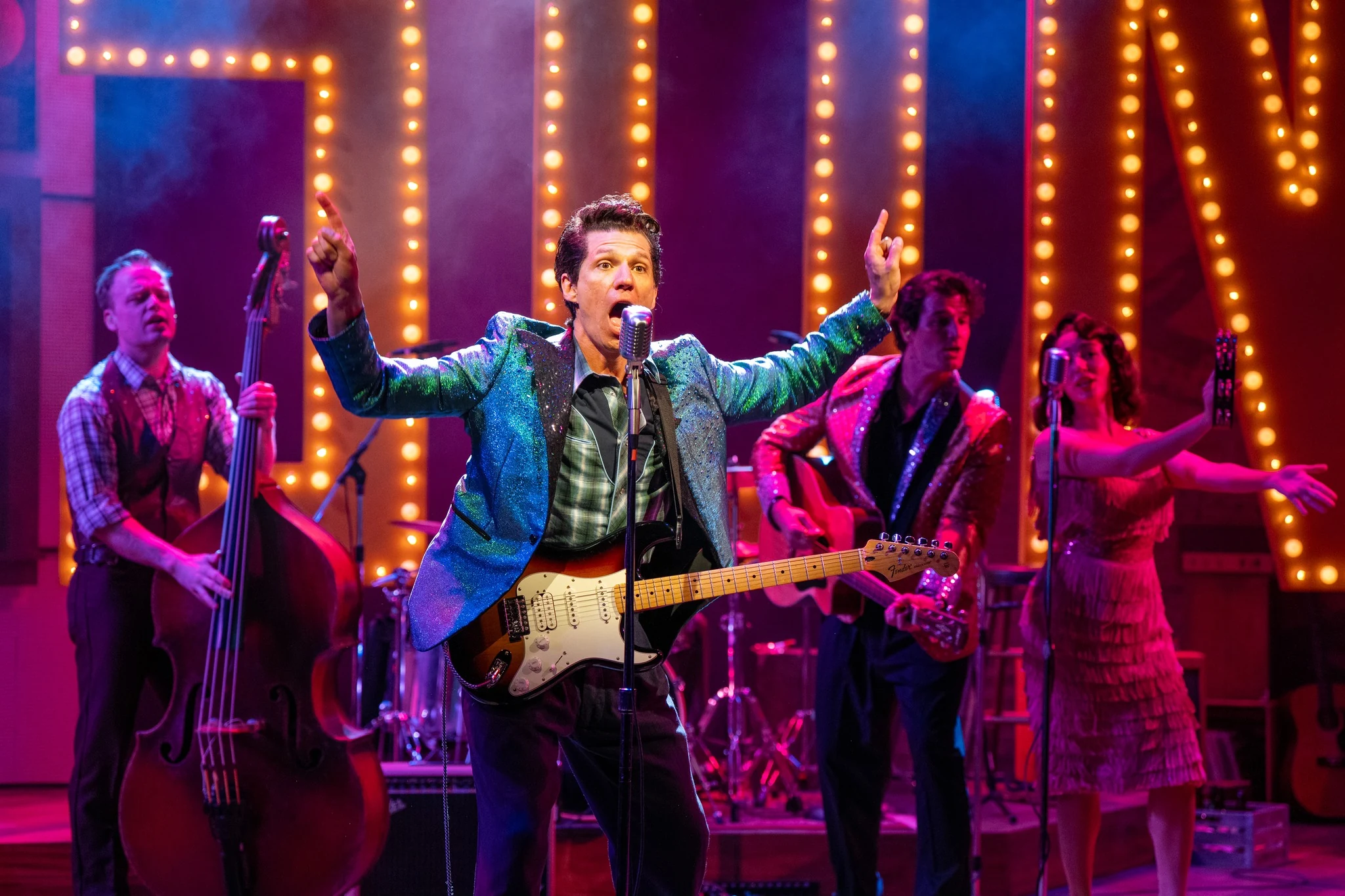
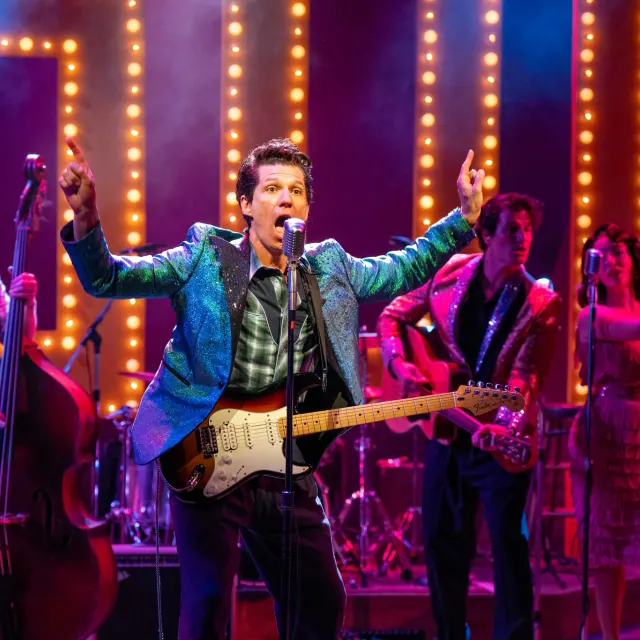
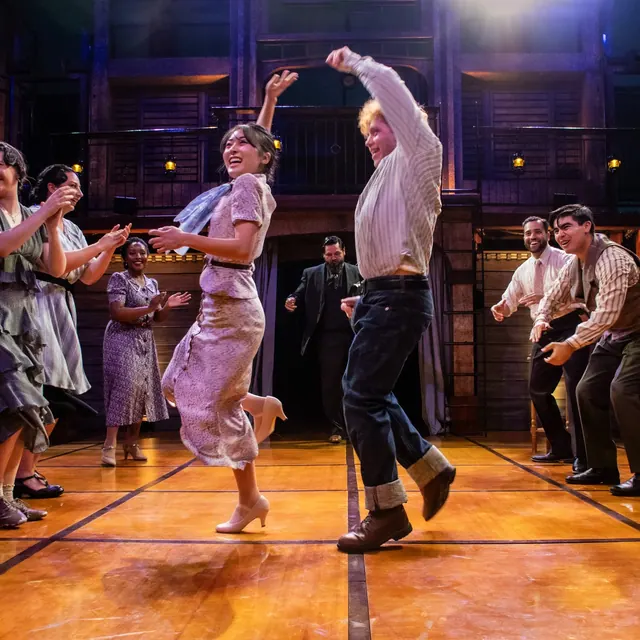
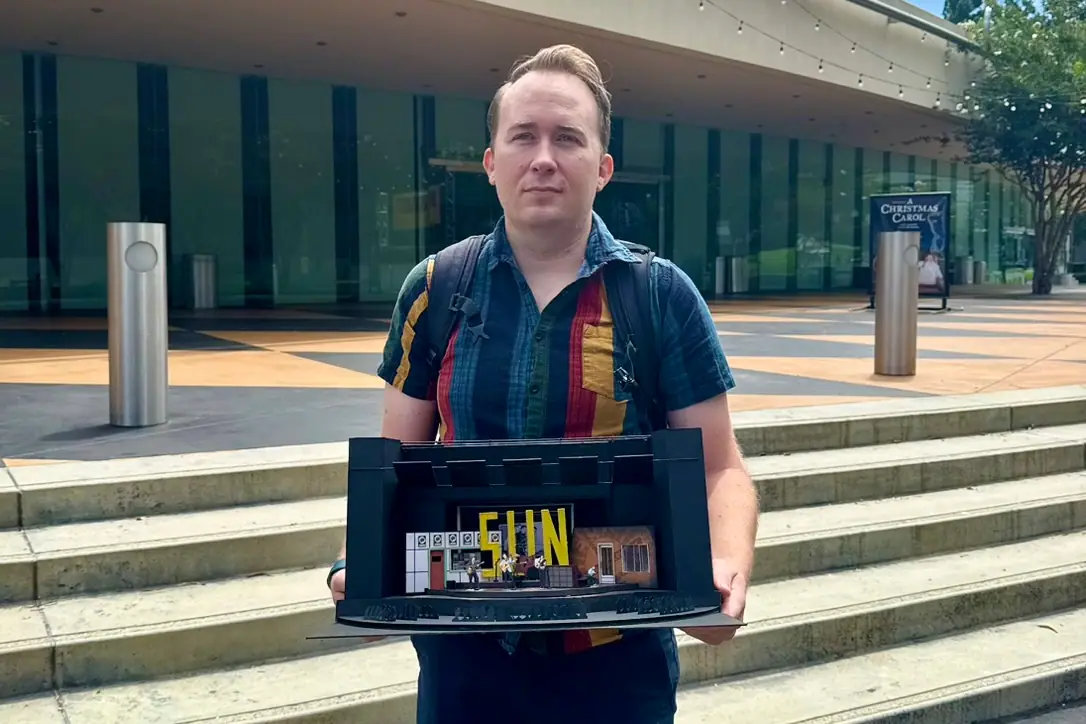
Million Dollar Quartet

All's Well That Ends Well

Bell, Book, and Candle

Much Ado About Nothing

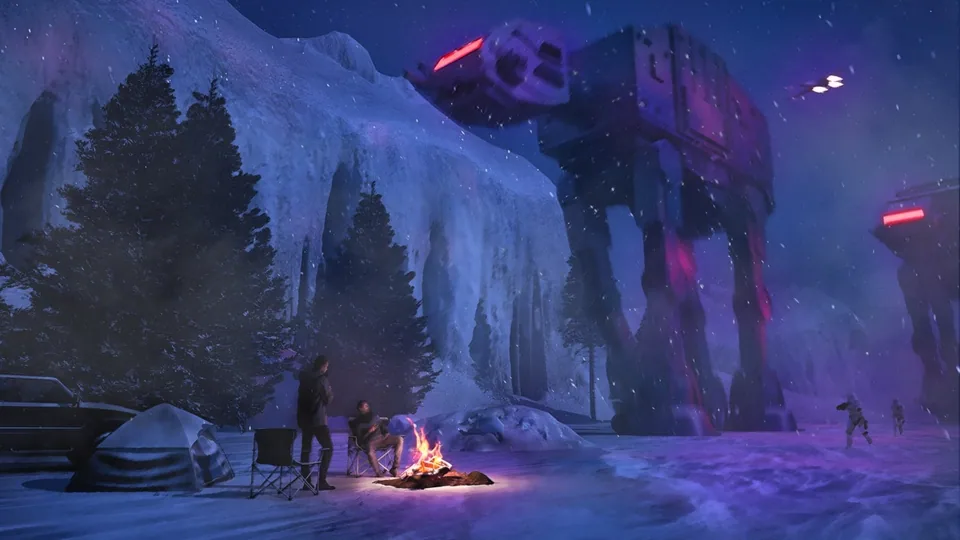
Guys on Ice

Romero

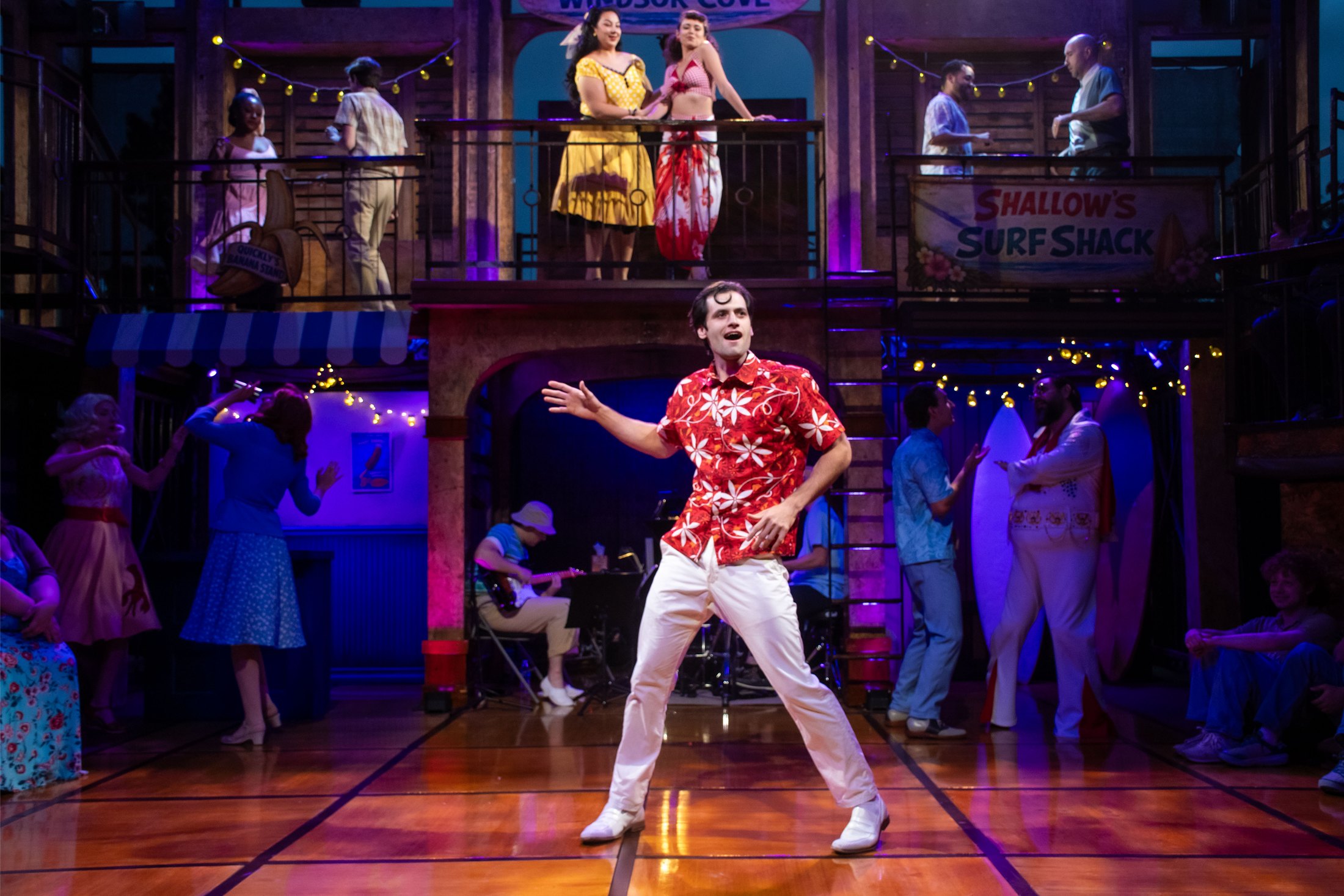
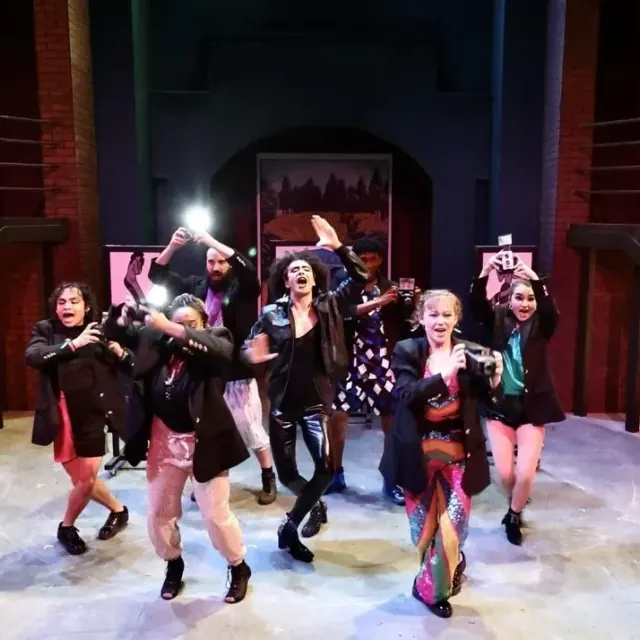
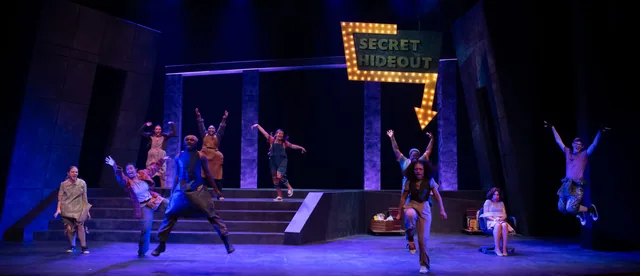
Urinetown

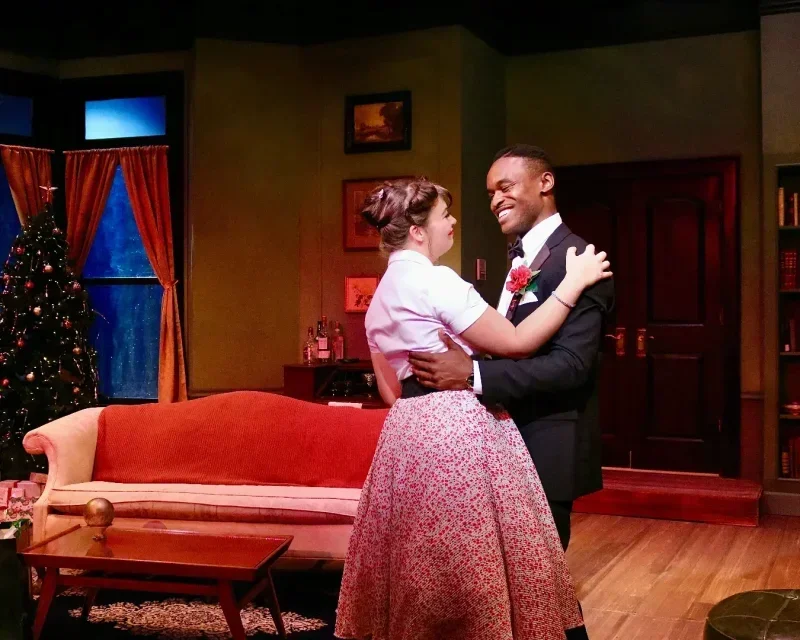
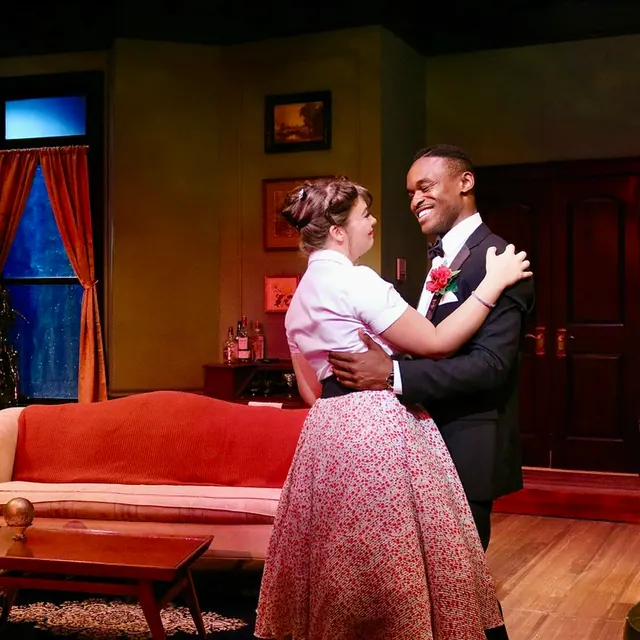
Barefoot in the Park

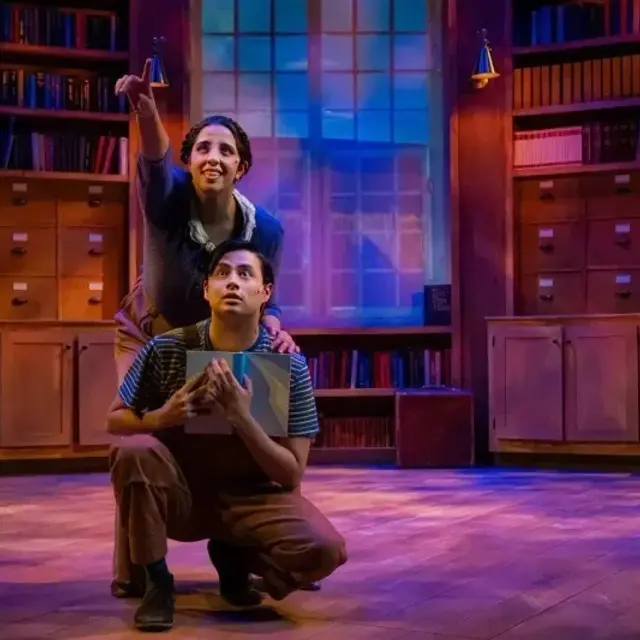
Freaky Friday

An Enemy of the People

Dial “M” for Murder

Cole
Writing
Articles on process, theatre, and visual thinking.
Longer-form writing sits close to the portfolio: reflections on scenic design, production process, interviews, and the ideas behind the work.

Design Process
Working Offstage: Expanding a Scenic Design Career Beyond Theatre
A practical essay on how scenic designers can expand into themed entertainment, architectural visualization, rendering, and other adjacent industries without abandoning theatre.

Profiles & Interviews
VoyageLA: Rising Stars Interview
VoyageLA featured Brandon PT Davis in a Rising Stars profile focused on scenic design growth, artistic voice, and long-term career direction in Southern California.

Themed Entertainment
The Evolution of Themed Entertainment: From Ancient Gardens to Modern Immersive Experiences
A design-history survey tracing themed entertainment from early spectacle gardens to contemporary immersive environments and experience-led storytelling.

Design Process
Framing the Martyr: Scenic Design as Memory Work in Romero
How Romero used scenic space as memory architecture, shaping ritual, grief, and political urgency onstage.

Scenic Design
The Lights Were Already On: Maude Adams' Legacy at Stephens College
A scenic reflection on how Maude Adams' legacy at Stephens College continues to influence theatre training, pedagogy, and design values.

Design Process
You're Wasting My Time! — A Scenic Design Lesson in Growth and Revision
A reflective essay on critique, revision, and the moment scenic design shifted from presentation toward real-time design thinking.
Learning
Learning articles for scenic design and Vectorworks.
The learning portal brings tutorial-based articles, rendering workflows, and studio process notes into one place for students and working designers.

Rendering
Publishing Vectorworks Renderings for Presentation
A publishing workflow for exporting finished Vectorworks renderings as presentation-ready images without keeping heavy live viewports in the file.

Rendering
Renderworks Settings and Lighting in Vectorworks
A scenic rendering workflow for comparing the same model across render looks, building a lighting layer, and choosing Renderworks settings with intention.

Rendering
Setting Up Vectorworks Cameras for Scenic Renderings
A camera setup workflow for scenic renderings in Vectorworks: create a visualization layer, place the camera, frame the shot, and turn the view into a renderable viewport.

Rendering
Vectorworks Rendering Workflow: File Size and Speed
A practical rendering workflow for keeping Vectorworks scenic files responsive by managing imported models, USDZ handoffs, mesh cleanup, texture size, and final output decisions.

Rendering
What Makes a Good Scenic Design Rendering?
What makes a scenic rendering useful in production: clear visual hierarchy, material logic, and communication choices teams can actually build from.

Design Communication
The Visual Language of Scenic Design
How the elements and principles of design shape live performance before an audience understands the story intellectually.
Studio
Small tools for practical production work.
A growing set of utilities for scenic drafting, file conversion, reference, and the repeatable math that supports design work.

Studio tool
Scenic 3D Converter
A Mac utility for turning SketchUp-style model files into cleaner USDZ assets for scenic rendering workflows.

Studio tool
Scale Calculator
Quick theatre scale conversions for drafting, model making, and checking dimensions before they become problems.

Studio tool
Dimension Reference
A compact reference for common scenic design dimensions, human scale checks, and drafting context.