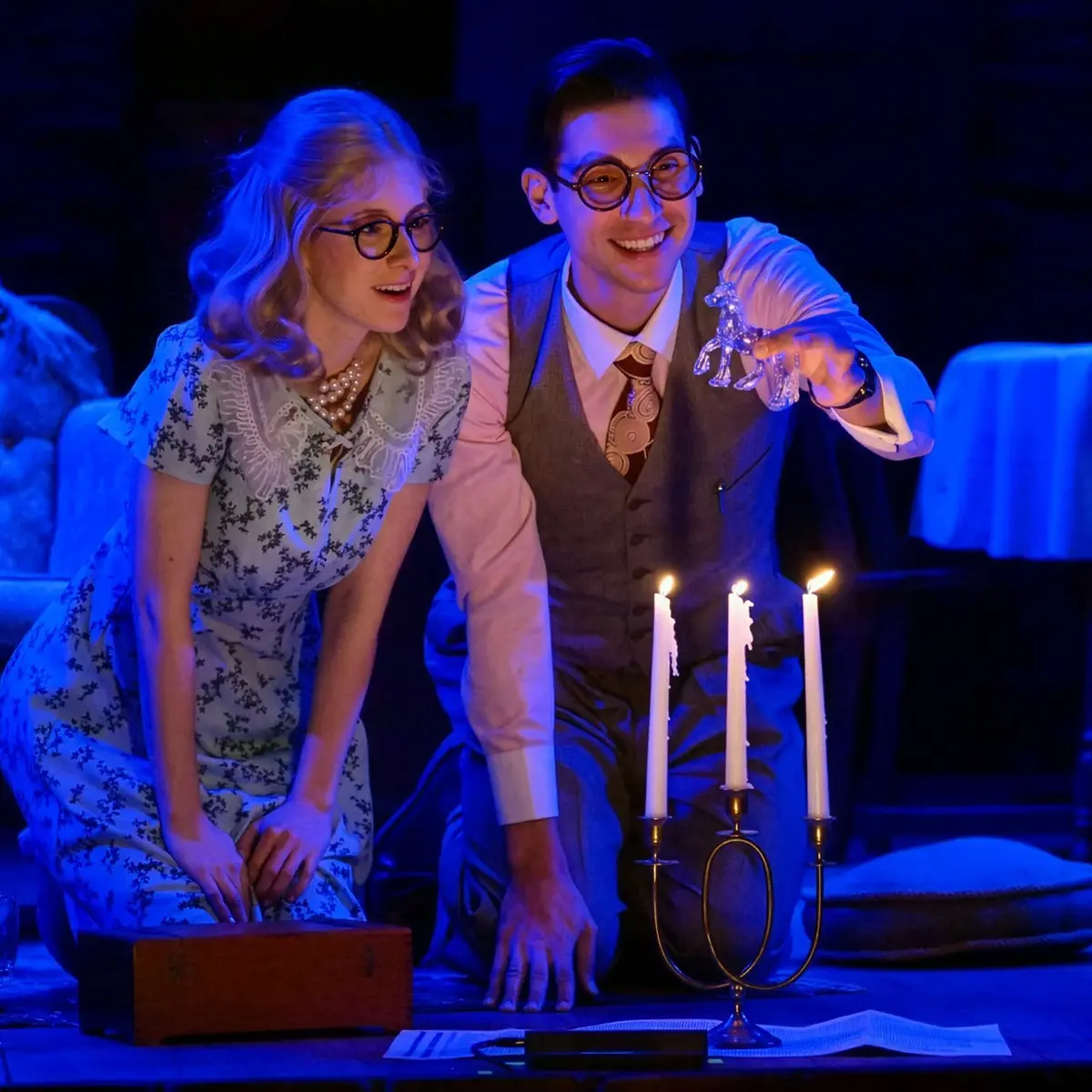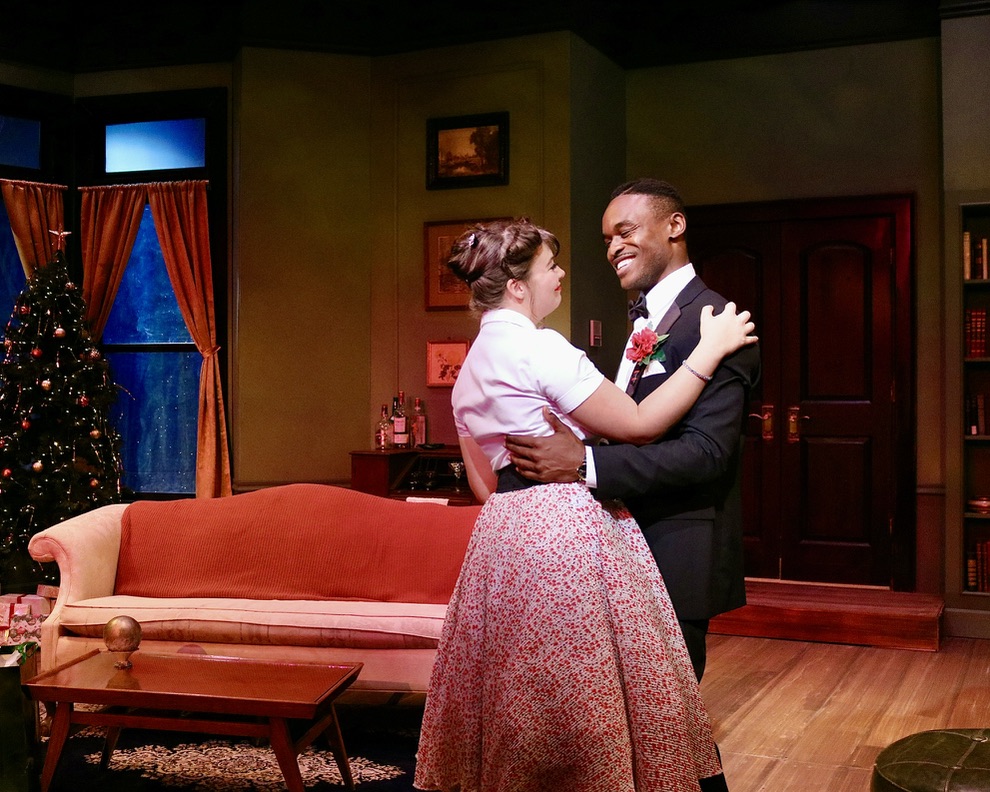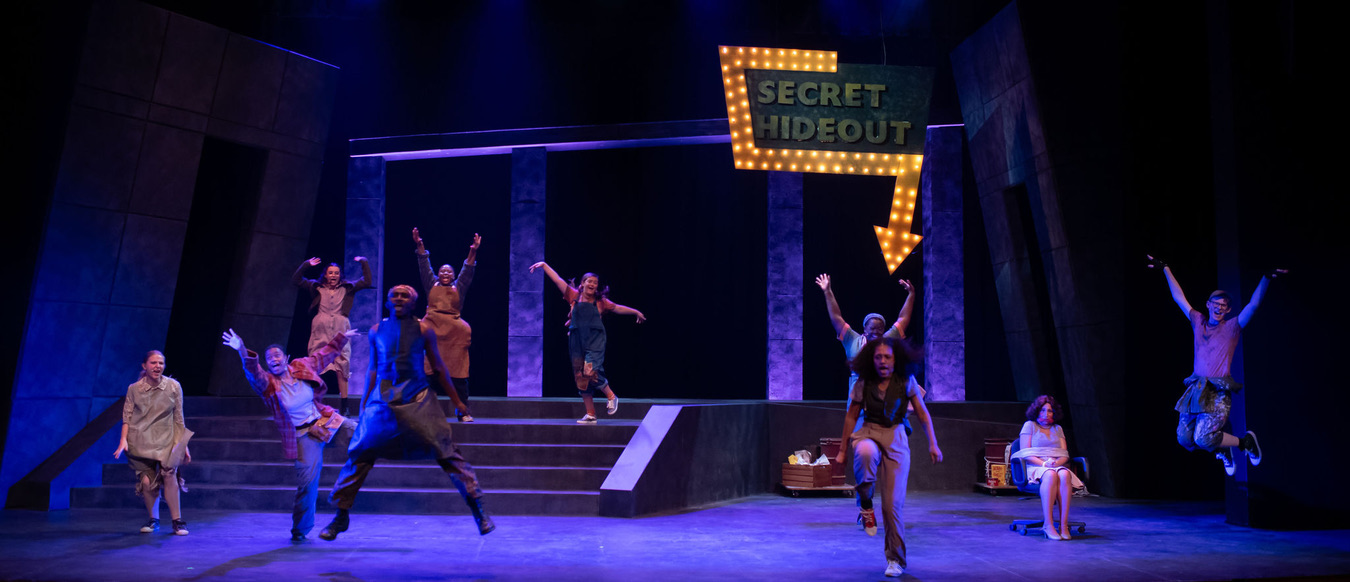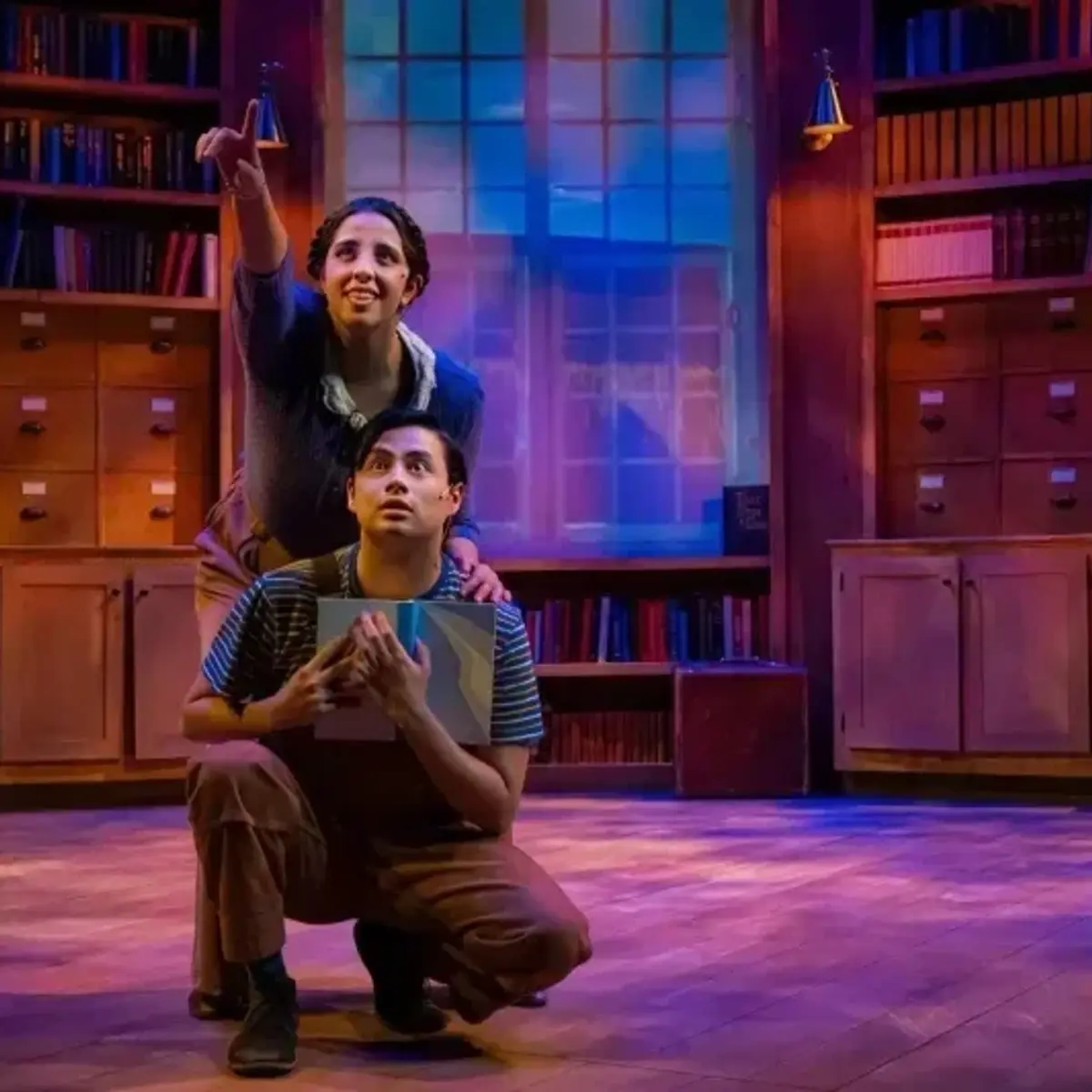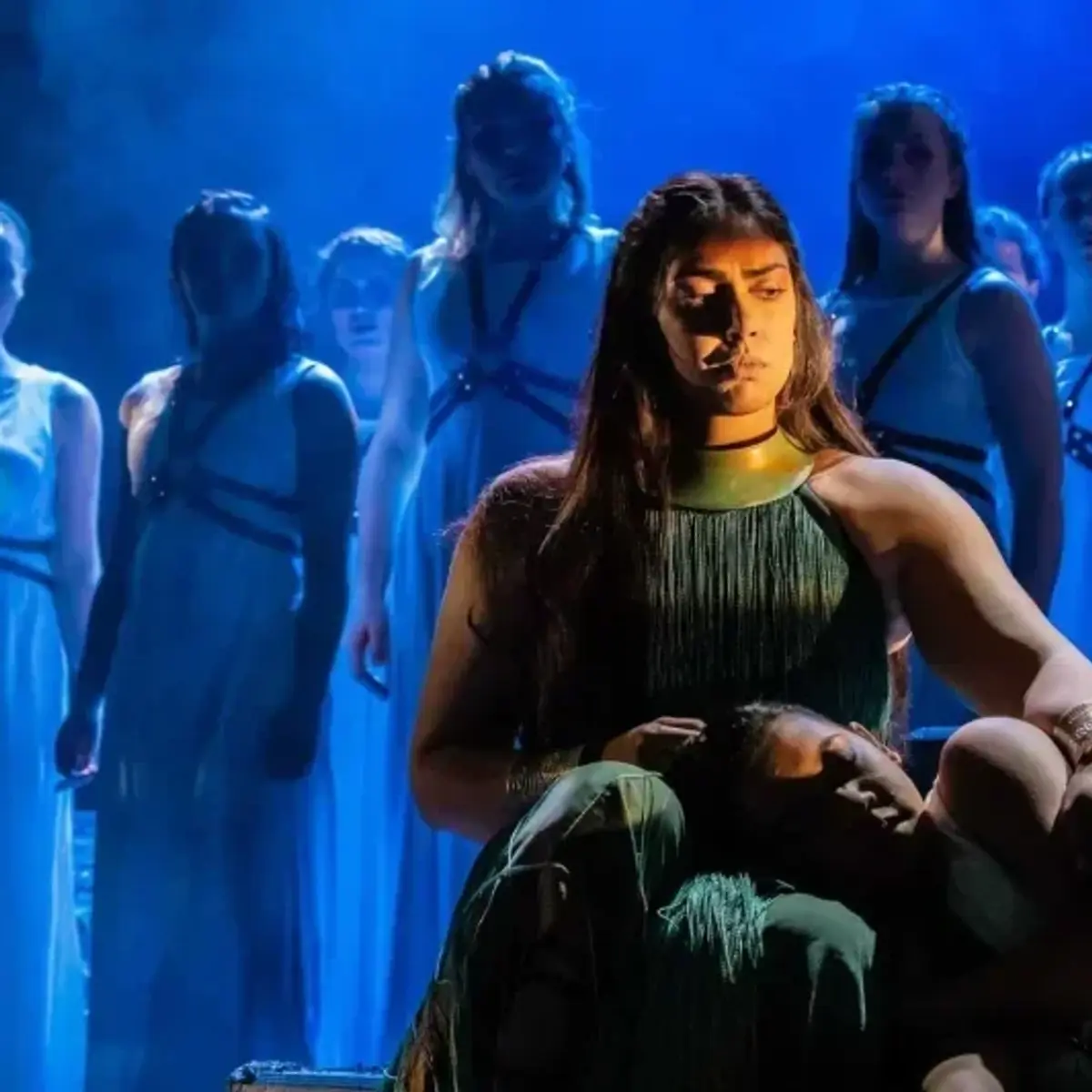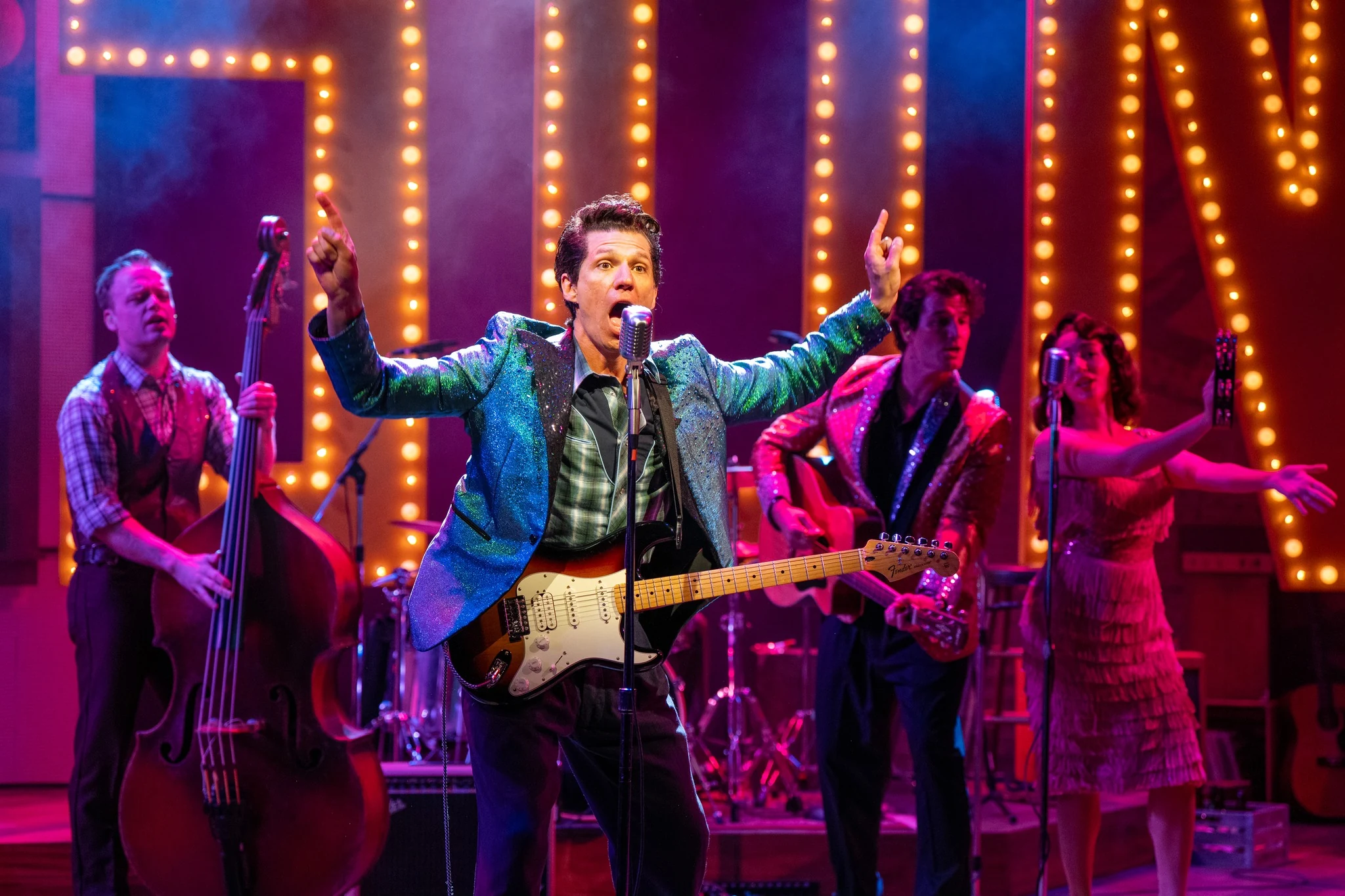
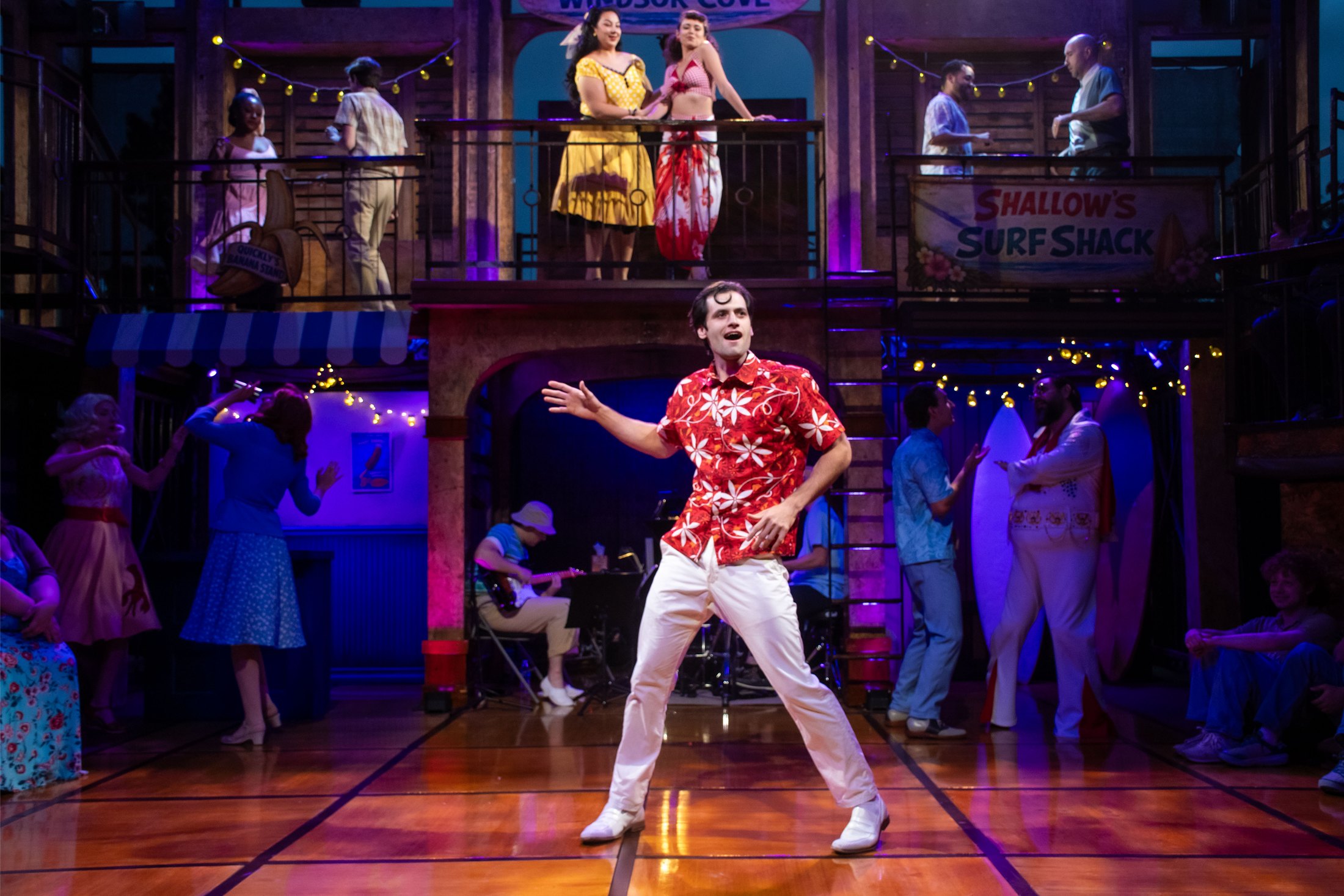
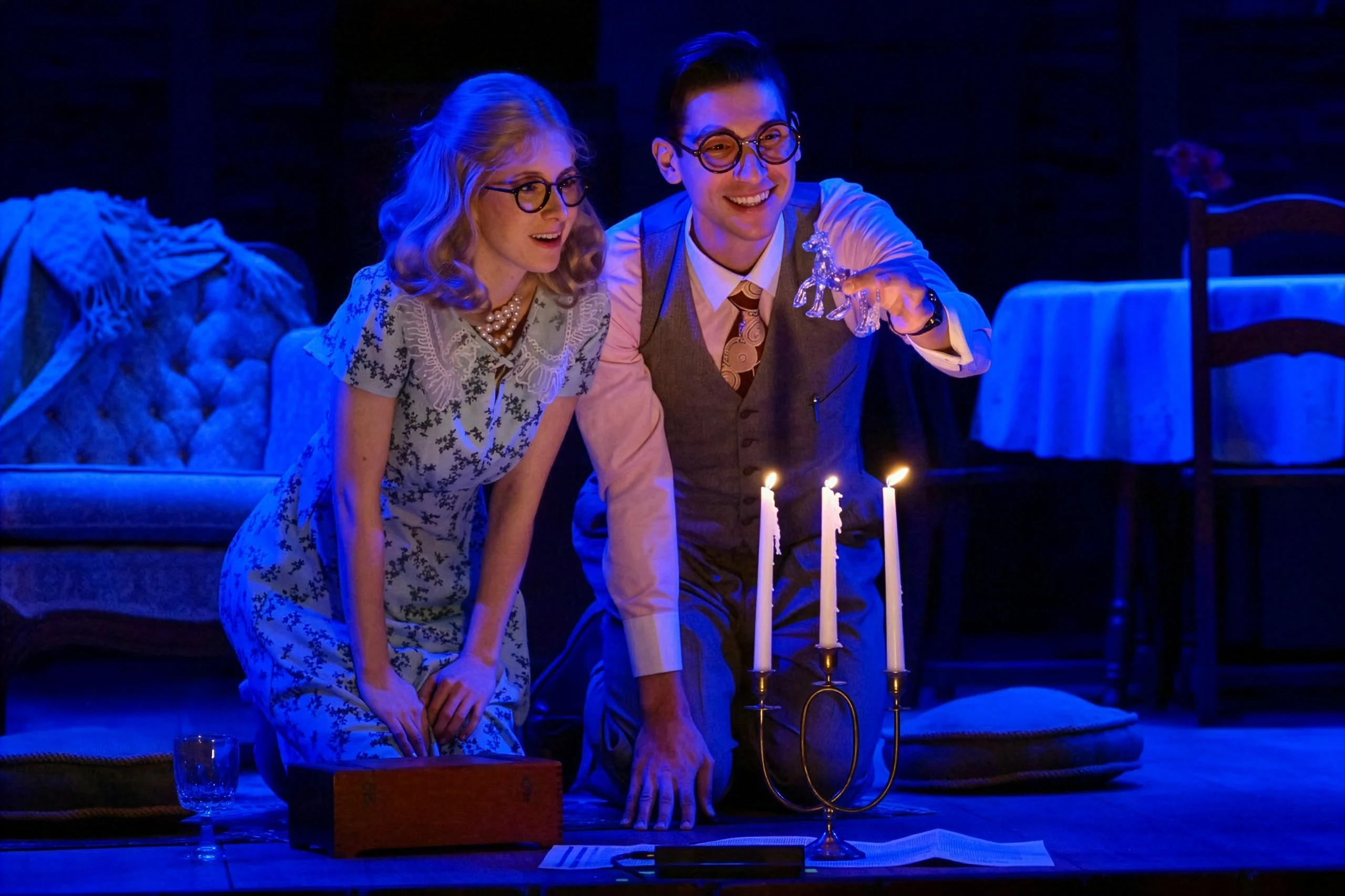
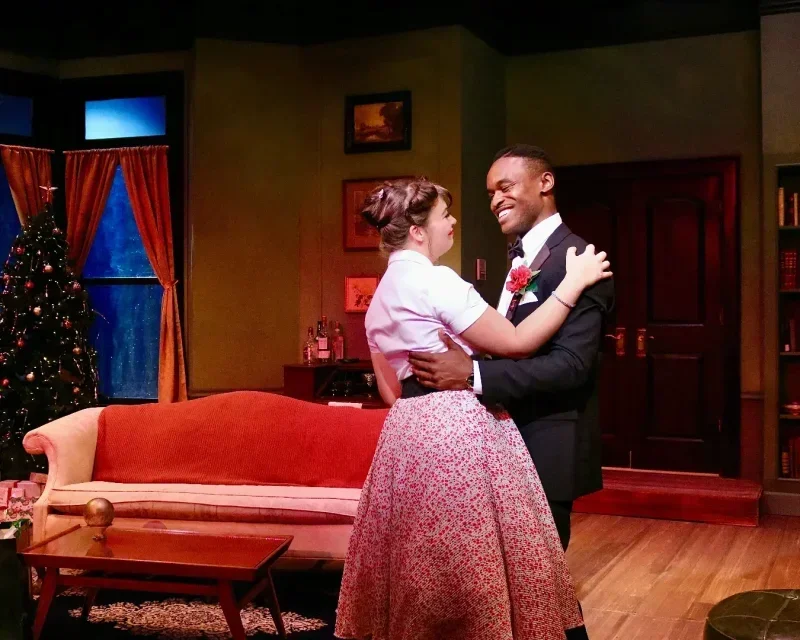
Pre-production renderings developed to clarify atmosphere, spatial rhythm, and visual intent before teams move into drafting, budgeting, and fabrication.
Concept Renderings
These featured renderings are closer to concept framing than documentation: atmosphere, material language, and narrative tone established early enough to guide scenic design conversations.

Maples Repertory Theatre · 2025

Okoboji Summer Theatre · 2025

University of Missouri · 2024

Stephens College · 2023

Theatre SilCo · 2023

Stephens College · 2022

Okoboji Summer Theatre · 2022

Lake Dillon Theatre · 2022

University of California Irvine · 2019

University of California Irvine · 2019

Okoboji Summer Theatre · 2013

Stephens College · 2010
These renderings are built to align collaborators before scenic decisions harden into drafting, budgets, and construction. The focus is always readability: atmosphere, composition, material hierarchy, and staging intent made clear early enough to shape the conversation.
Design Communication

How the elements and principles of design shape live performance before an audience understands the story intellectually.

What makes a scenic rendering useful in production: clear visual hierarchy, material logic, and communication choices teams can actually build from.
On rendering as an art form, design philosophy, and the process behind the images.
A successful rendering doesn't just document space—it communicates emotion, narrative, and atmosphere. It's about choosing what to reveal and what to withhold. Composition guides the eye. Light establishes mood. Material choices carry memory and history. When these elements align with the story you're telling, the rendering transcends technical accuracy and becomes a piece of visual storytelling.
Every frame is a deliberate choice. I start by asking: where should the viewer's eye enter? What's the focal point? What remains in shadow? Composition isn't about filling space—it's about building visual hierarchy that serves the narrative. I use the rule of thirds, leading lines, and negative space to create tension, balance, or unease depending on what the project demands.
Light is emotion. It defines time of day, temperature, and psychological tension. I approach lighting like a cinematographer—motivated sources, intentional shadows, and atmospheric depth. Fog, haze, and volumetric effects aren't decoration; they create separation between foreground and background, add mystery, and remind the viewer they're looking at a moment in time, not just geometry.
I start by understanding the narrative and emotional goals of the project. What feeling should this space evoke? What's the story being told? From there, I work iteratively—sharing early compositions, testing lighting scenarios, and refining based on feedback. The best collaborations happen when the rendering process becomes part of the design conversation, not just documentation of decisions already made.
Documentation shows what a space looks like. Storytelling shows what it feels like. Documentation is neutral, objective, complete. Storytelling is authored—it has a point of view, a mood, a sense of time and place. I'm not interested in creating architectural photography. I'm interested in creating images that make you want to step into the world they depict.
It's my approach to blending traditional 3D rendering with modern post-production techniques. Every image begins with authored geometry, intentional lighting, and curated materials. The composite phase—whether through Photoshop, AI tools, or other methods—refines atmospherics, enhances textures, and accelerates iteration. The result is faster turnaround without sacrificing artistic control. The craft is in knowing what to build, what to enhance, and what to leave alone.