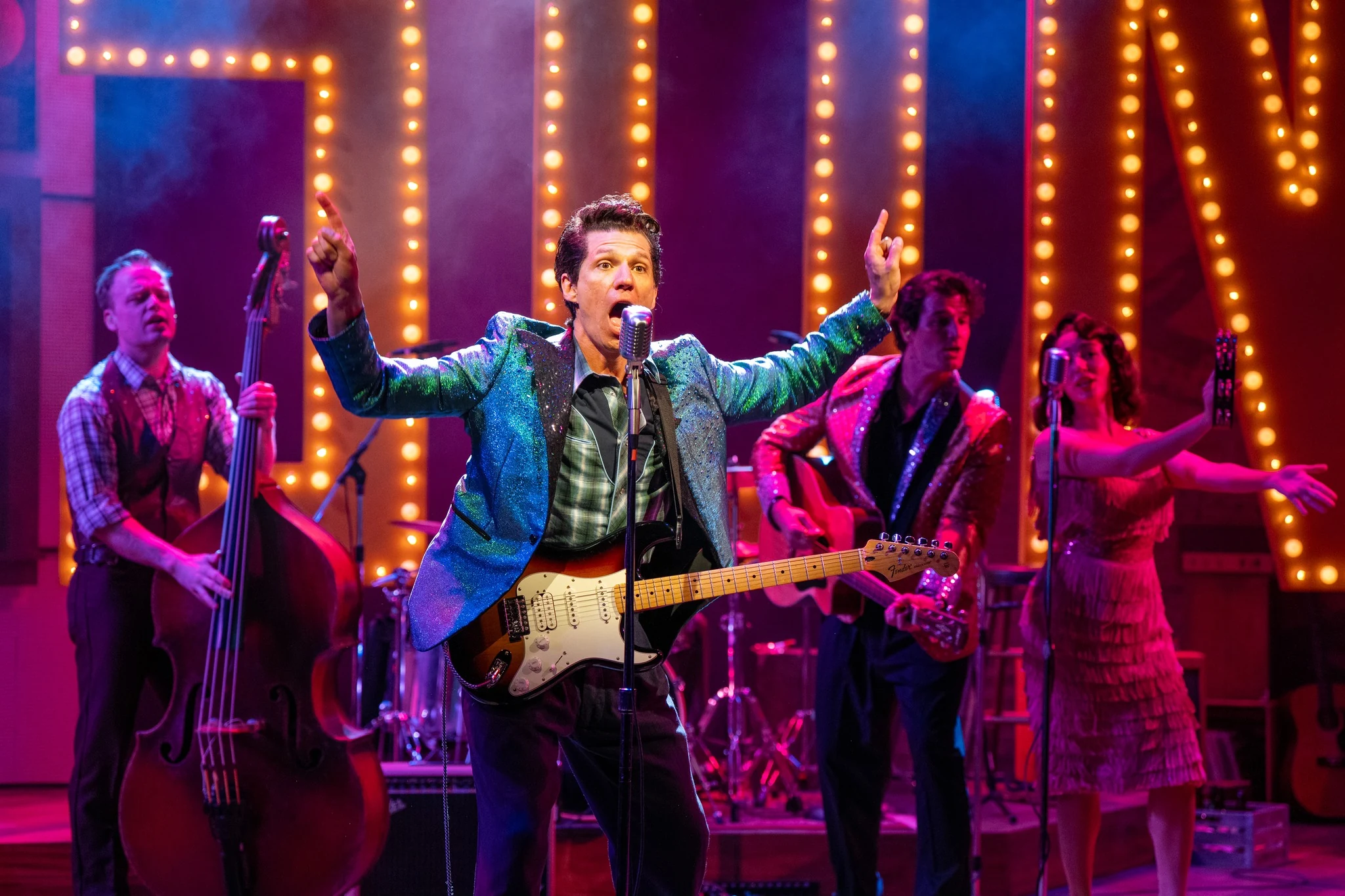
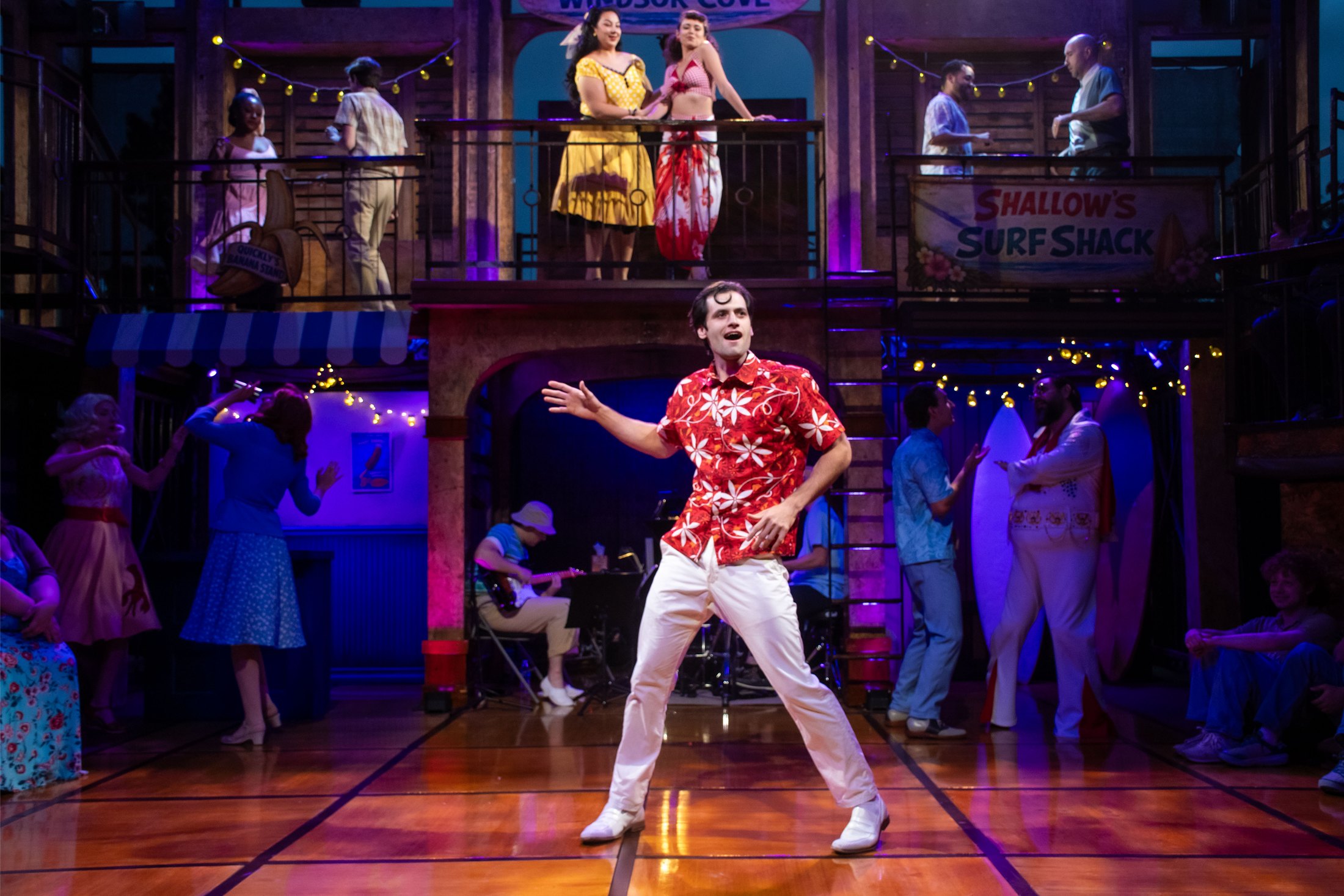
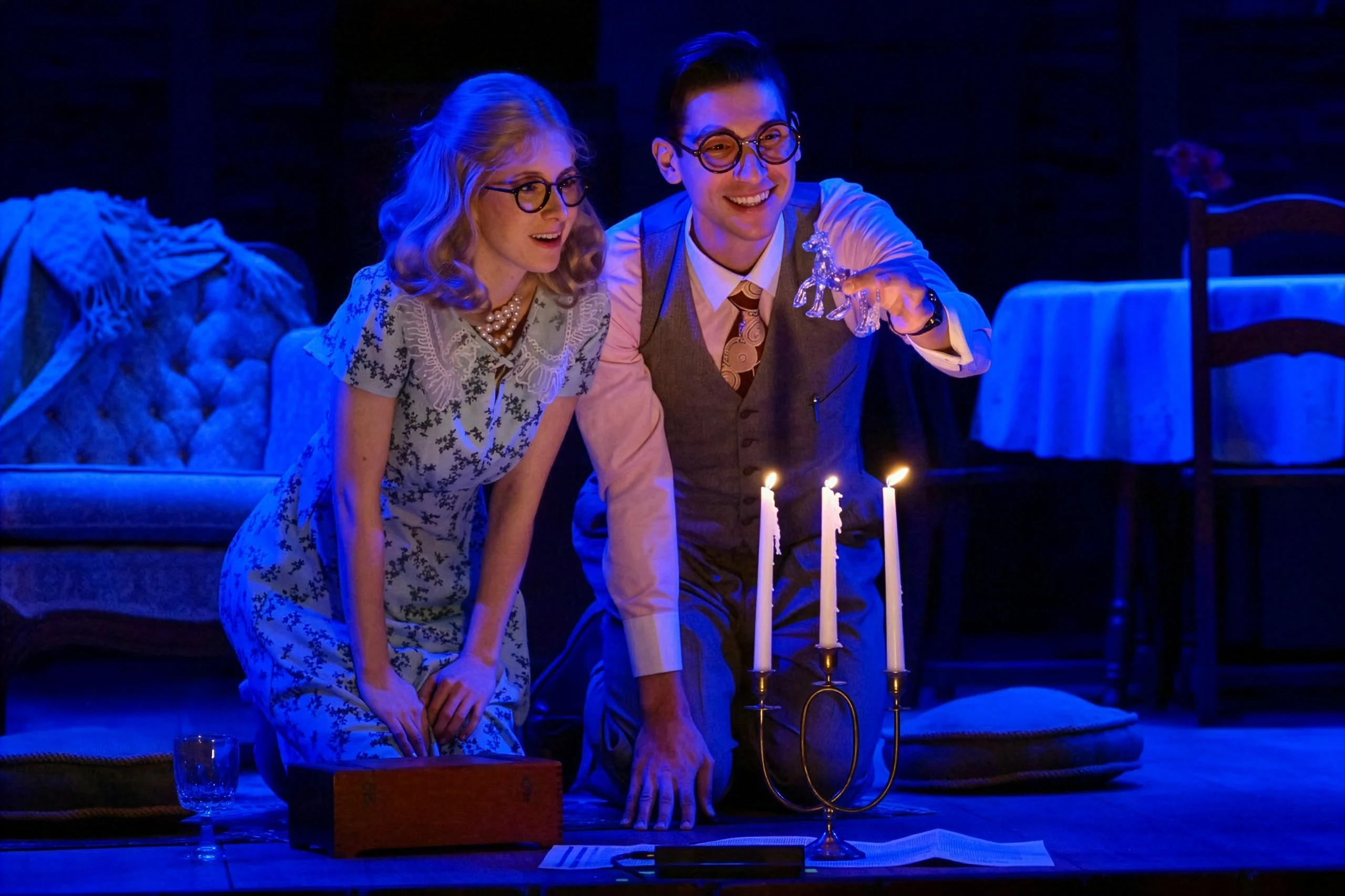


A scenic designer does not simply decide what a stage should look like. That is the easy answer, and it is not quite true.
The scenic designer decides what version of the world the story needs us to see. Sometimes that world is a room. Sometimes it is a landscape. Sometimes it is a memory, a pressure system, a civic argument, a family history, or a place that is slowly falling apart in front of us.
The set is the visible result. The design is the thinking underneath it.

Scenic Design Begins With the Script
Before there is a model, rendering, ground plan, or paint elevation, there is the text. The first job is not to decorate the play. The first job is to listen to it.
A script gives practical information: location, period, entrances, furniture, doors, windows, stairs, props, and scene shifts. But the scenic designer is also reading for the emotional architecture of the story. Where is the pressure? What happened before the first scene? What does the room know that the characters are trying not to say?
A kitchen can be about hunger. A porch can be about exposure. A staircase can be about class, desire, or escape. A wall can be protection until it becomes a trap. The scenic designer takes those clues and begins shaping space around them.

The Scenic Designer Translates Story Into Space
Theatre is built from bodies in space. That means scenic design has to answer practical questions very early: how actors enter, where they gather, where someone can hide, where power sits in the room, what the audience can see, and what they are not allowed to see yet.
A beautiful design that does not support performance is not finished. The image has to become a place actors can trust. That is where scenic design separates itself from illustration. The designer is not making a picture of the play. The designer is building a system for the play to move through.
A strong scenic environment gives the director options, gives actors behavior, gives lighting something to reveal, and gives the audience a way into the story.
Scenic Design Is Collaboration
Scenic design is never made alone. The designer works with the director to understand the production's point of view, then continues shaping the world with lighting, costumes, sound, projections, choreography, stage management, props, scenic art, carpentry, technical direction, and production management.
Every department sees the world from a slightly different angle. That is the gift of the process. A scenic designer may begin with an idea, but the final design is shaped by conversation, budget, schedule, venue, materials, bodies, and the practical intelligence of the shop.
The first idea is a doorway, not a destination.
What Does a Scenic Designer Actually Create?
The deliverables change from production to production, but scenic designers often create some combination of visual research, sketches, models, renderings, ground plans, sections, elevations, paint elevations, furniture plans, scene shift diagrams, prop and scenic breakdowns, construction references, and rehearsal or tech notes.

These are not just paperwork. They are translation tools. A ground plan helps the director stage the play. A section helps lighting and technical teams understand height and depth. A rendering helps collaborators see atmosphere, tone, and composition. A model helps everyone understand the world before it becomes expensive.
The scenic designer's job is to keep the story, the image, and the buildable reality in conversation.
Set Designer or Scenic Designer?
People often use set designer and scenic designer interchangeably. That is fine in everyday language, but scenic designer usually points to the broader artistic and theatrical role.
A set designer may be understood as the person who designs the set. A scenic designer is also thinking about how scenery participates in performance: movement, rhythm, scale, transformation, metaphor, and the relationship between audience and actor. The difference is not about status. It is about scope.
Scenic design includes the set, but it also includes the way the set behaves.
The Best Scenic Design Is Not Always the Biggest
Some stories need spectacle. Some need restraint. A scenic designer has to know the difference.
The strongest design choice may be a massive transformation, a moving wall, or a complete visual world. It may also be one table in exactly the right place. The goal is not to fill the stage. The goal is to make the story legible.
A room under pressure does not need to announce itself. It just needs to hold the characters in the right way. When the audience understands the world before anyone explains it, the design is doing its work.
Scenic Design Makes the Invisible Visible
Every play has invisible forces: class, grief, desire, memory, history, control, shame, hope. The scenic designer gives those forces a place to live.
That does not mean turning every idea into a symbol. It means building a world where the audience can feel the conditions of the story.

A home may look stable until we notice how exposed it is. A city may seem full of people until one character feels completely alone. A room may appear realistic, but its proportions can quietly tell us who has power.
Scenic design works best when it gives the audience more than information. It gives them a way to feel the play.
FAQ: What Does a Scenic Designer Do?
Does a scenic designer build the set?
Usually, no. The scenic designer designs the environment and creates the drawings, models, renderings, and information needed for the production team to build it. In some smaller theatres or educational settings, the designer may also be more directly involved in construction or painting.
When should a scenic designer be hired?
As early as possible. Scenic design affects staging, budget, schedule, technical planning, props, lighting, transitions, and rehearsal needs. Early collaboration gives the production more room to solve problems creatively.
Is scenic design only about realism?
No. Scenic design can be realistic, abstract, symbolic, minimal, immersive, architectural, or highly theatrical. The right approach depends on the story, the director's vision, the venue, and the production's resources.
What makes a good scenic design?
A good scenic design supports the story, clarifies the world, gives actors usable space, works within the production's resources, and feels inevitable once the audience sees it.


