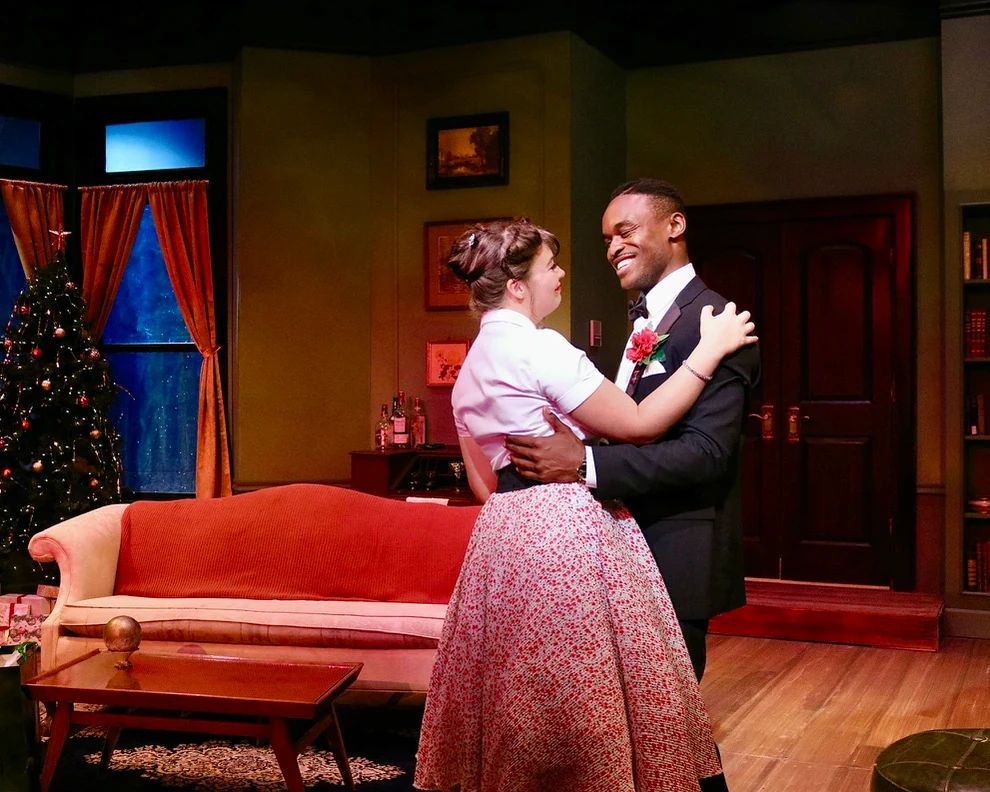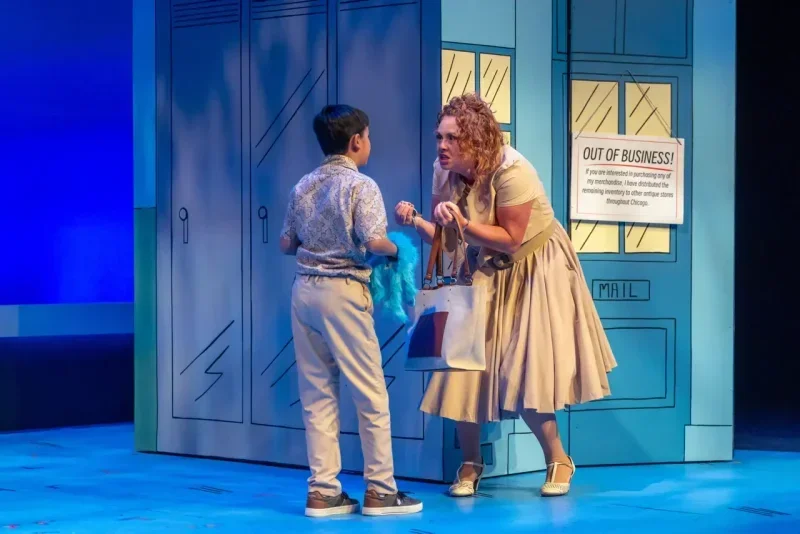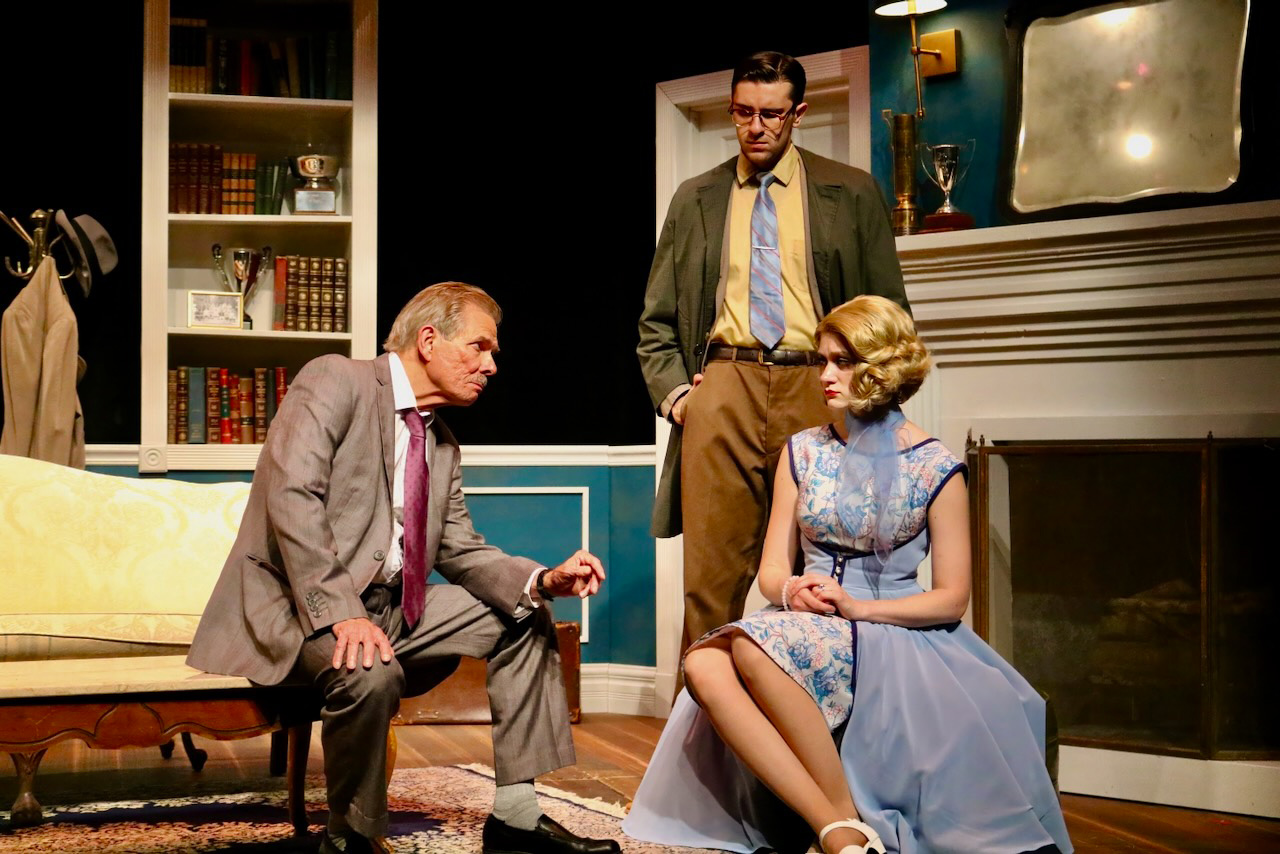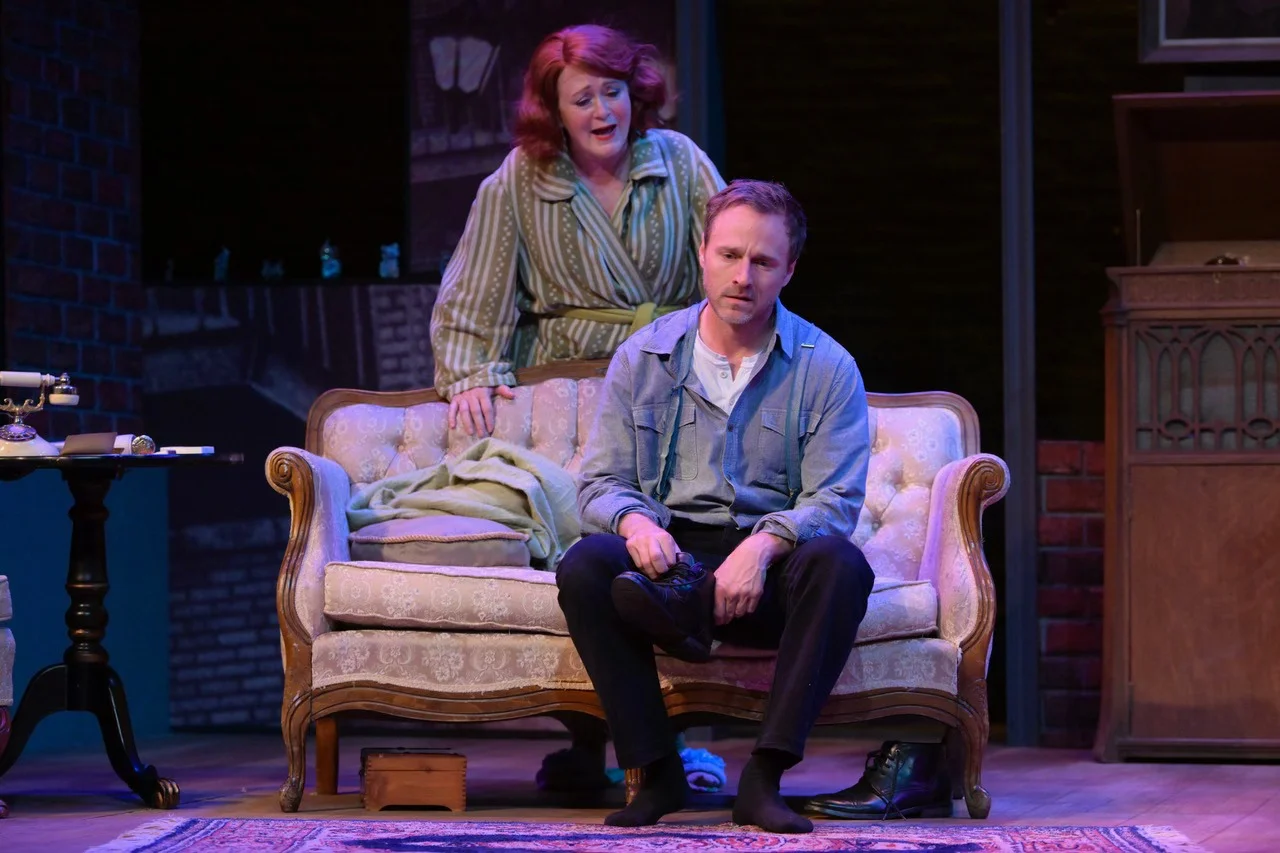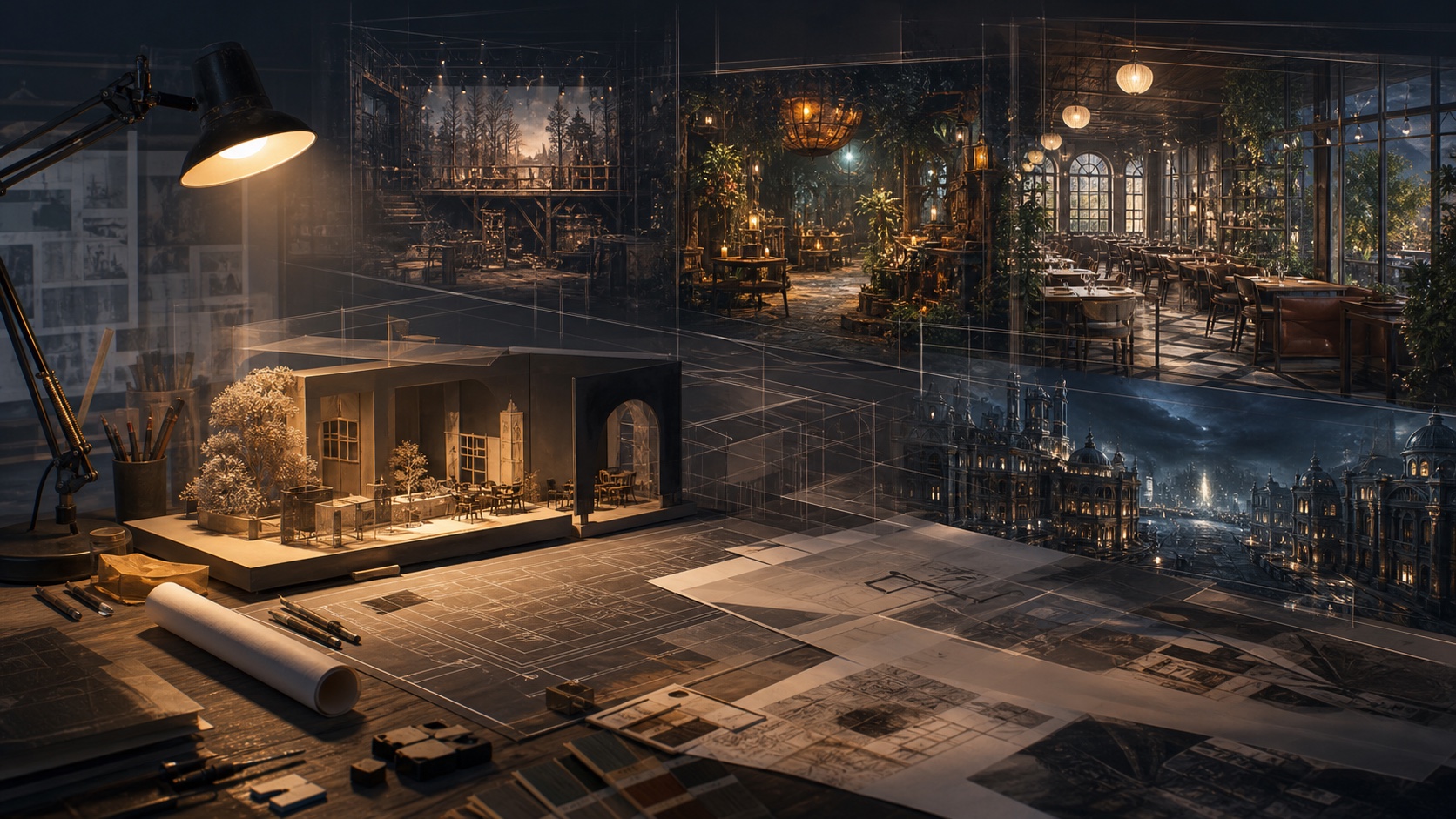
There are some theatres that become part of your life story. For me, Okoboji Summer Theatre is one of them.
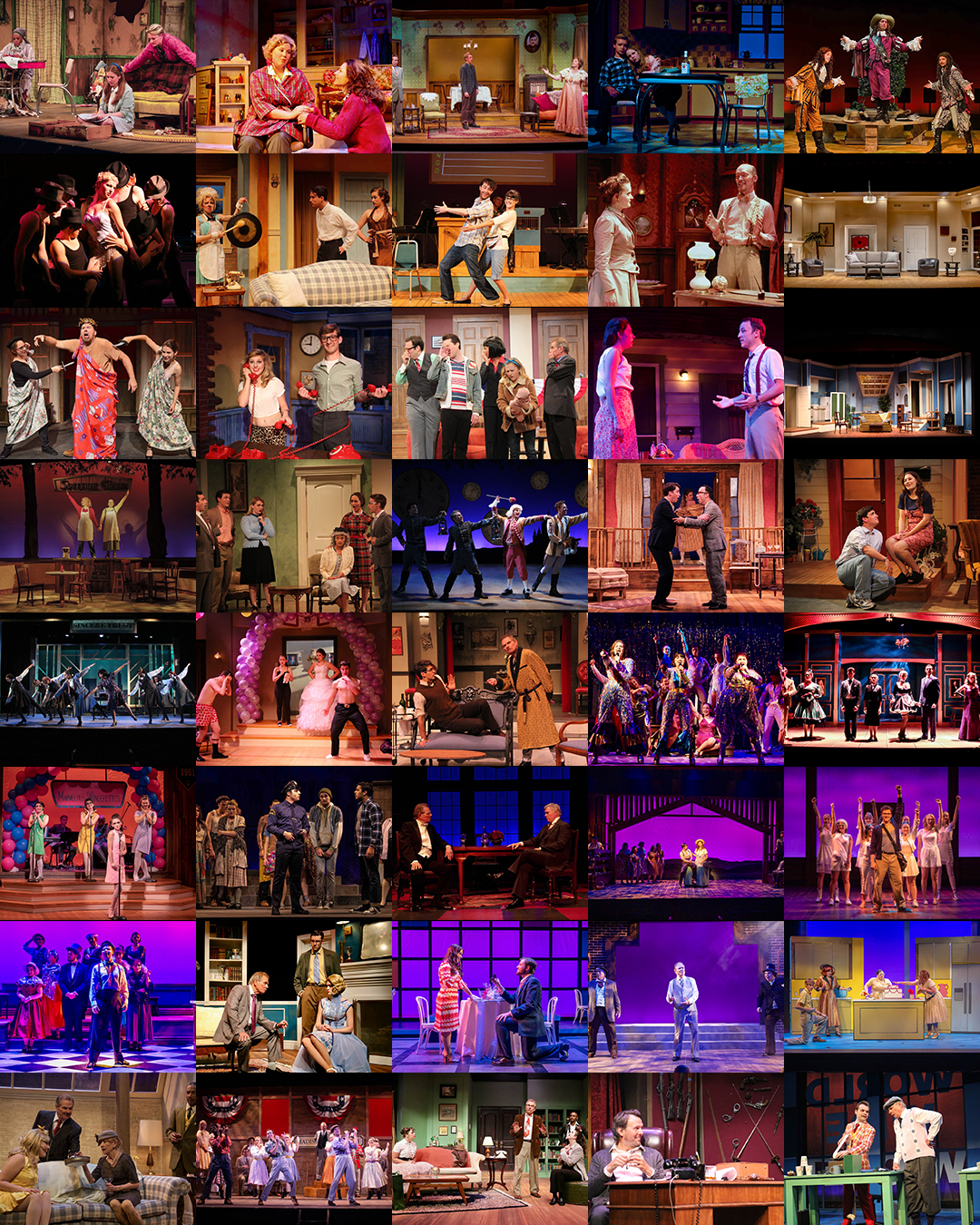
Tonight marks my 40th scenic design at OST, a milestone that feels both surreal and deeply personal. What began in 2010 as a summer opportunity slowly became one of the defining creative relationships of my career. Over the years, I’ve designed comedies, dramas, thrillers, musicals, farces, Shakespeare, chamber pieces, and large-scale productions on this stage. Each one came with its own challenges, discoveries, and collaborations.
Summer stock theatre has a rhythm unlike anything else. Productions move fast. Budgets are practical. Timelines are short. You learn to trust your instincts, solve problems quickly, and lean fully into collaboration. At Okoboji, that process has shaped me not only as a designer, but as an artist.
Looking back across forty productions, I can trace my own growth as a designer through the variety of work produced at Okoboji. Some shows demanded spectacle and transformation, while others relied on simplicity, atmosphere, and precision. Designing everything from musicals and comedies to thrillers and dramas taught me how flexible scenic storytelling needs to be in summer stock theatre.
Shows like Chicago, Little Shop of Horrors, Mamma Mia, Urinetown, Bright Star, and The Music Man each demanded entirely different visual languages and technical approaches. Productions like Deathtrap, Dial “M” for Murder, and An Inspector Calls reminded me how much atmosphere and tension can emerge from carefully controlled space. Other productions pushed me toward intimacy and restraint, asking the scenery to support performance and storytelling in quieter ways.
What makes this milestone meaningful is not simply the number 40. It is the people behind those productions: directors, actors, technicians, stage managers, carpenters, painters, costume shops, lighting teams, musicians, and audiences who filled the theatre summer after summer. Theatre is temporary by nature. Sets disappear. Paint gets covered. Platforms are rebuilt. Yet somehow the experiences remain.
One of the greatest gifts of summer theatre is repetition through reinvention.
Returning to the same theatre year after year allows you to grow alongside the institution itself. You begin to understand the stage intimately — not just its dimensions, but its personality. You learn how audiences respond in the room. You discover how to push the space further each season.
Every Okoboji Summer Theatre Production Since 2010
- The Effect of Gamma Rays (2010)
- Steel Magnolias, The Glass Menagerie (2011)
- Crimes of the Heart, The Liar, Chicago (2012)
- Don’t Dress for Dinner, Bingo, Angel Street (2013)
- Rich Girl, Complete Works of Shakespeare, Little Shop (2014)
- On Thin Ice, Last Train to Nibroc, Barefoot in the Park (2015)
- Spitfire Grill, A Murder is Announced, Cinderella (2016)
- Not Now, Darling, Over the River, Millie (2018)
- Happily Ever After, Living on Love, Mamma Mia (2019)
- Clue, Wonderettes: Dream On, Urinetown (2021)
- An Inspector Calls, Bright Star, Legally Blonde (2022)
- Cole, Dial “M” for Murder, Wedding Singer (2023)
- Baskerville, Freaky Friday, Barefoot in the Park, The Music Man (2024)
- Bell, Book, and Candle, Deathtrap, How to Succeed in Business Without Really Trying (2025)
Forty productions later, I still feel grateful every time I walk into the scene shop or sit in the theatre before an audience arrives. That feeling has never really changed.
Thank you, Okoboji.