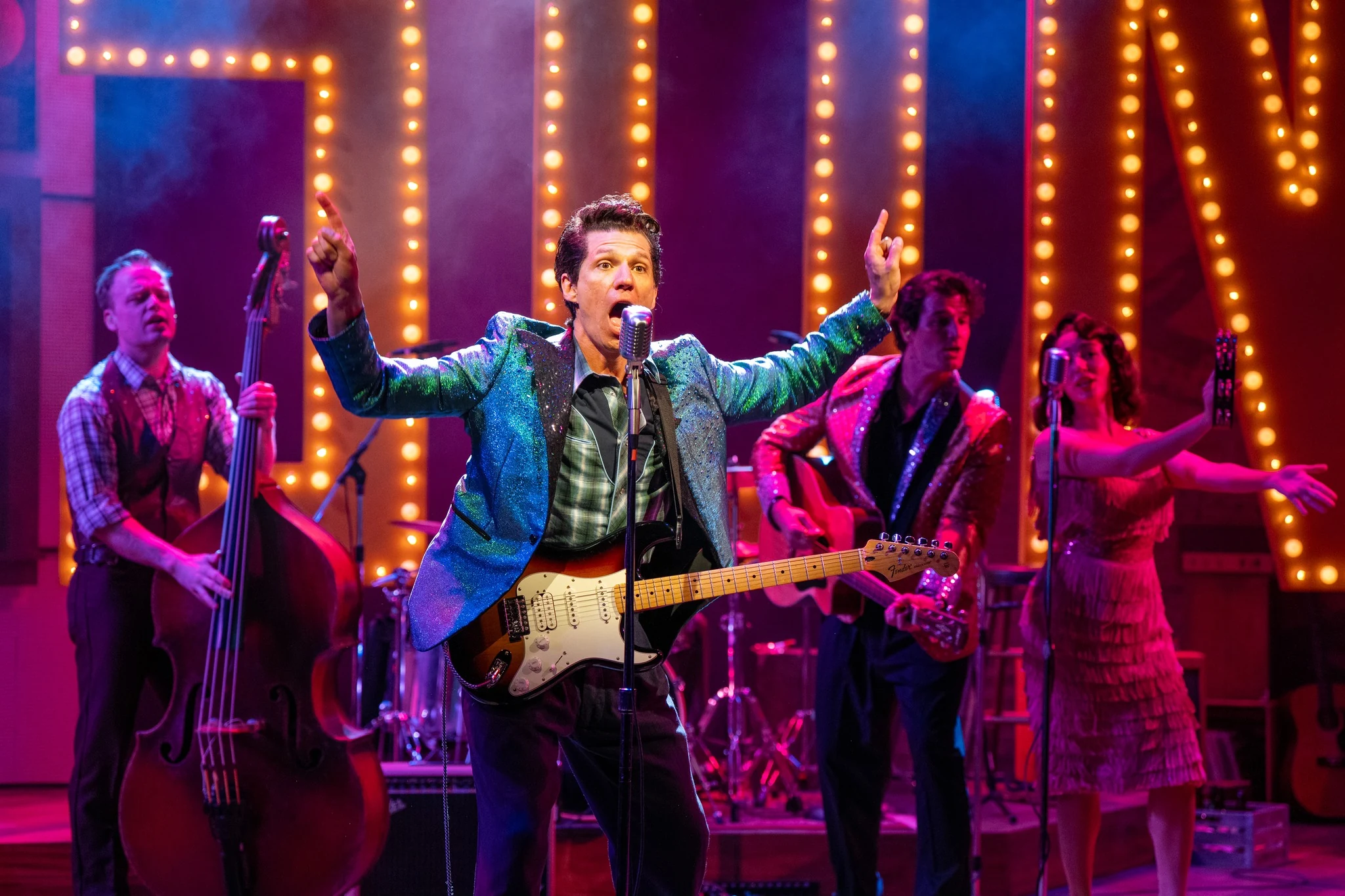
Art direction is where visual intent becomes operational. It connects concept art, production design, and technical execution so every set, prop, and surface contributes to a coherent world on camera.
What Does an Art Director Do in Film & TV?
When you sit down to watch a film, you’re not just absorbing a story — you’re stepping into a carefully constructed world. From the color palette to the smallest prop placement, every visual element is curated by a team of artists led by one key figure: the art director.
But what does an art director actually do, and why is their role so critical to filmmaking?
Art Directors vs. Production Designers: Understanding the Difference
The art director works closely with the production designer to develop and execute a film’s visual identity. While the production designer establishes the overall conceptual vision, the art director ensures that vision is realized on screen with consistency and precision.
Art directors oversee:
- Set design and construction
- Props and set dressing
- Visual continuity across locations and scenes
Although most commonly associated with film, art directors also work in television, advertising, and experiential media. Across all formats, their role remains the same: crafting a unified aesthetic that supports the story.

The Core Elements of Art Direction
Concept Development: Building the Visual World
Art directors must think holistically. Every detail — from architecture to surface texture — contributes to the larger visual language of a film. This process begins early, often through conceptual discussions with the director and production designer, followed by storyboards, reference imagery, and digital renderings.
These materials guide the design team and ensure that all departments are working toward a shared visual goal.
Aesthetic Appeal: Creating Visually Engaging Films
Art direction isn’t just about making things look good — it’s about making them visually interesting. Strong visual composition keeps audiences engaged and reinforces storytelling.
Art directors focus on:
- Balance and symmetry
- Composition within the frame
- Texture, scale, and visual contrast
Every shot contributes to a cohesive aesthetic language that supports the film’s tone and pacing.
Mood and Emotion: Using Color Theory in Film
Color theory plays a critical role in visual storytelling. Warm tones can evoke nostalgia or comfort, while cool or desaturated palettes can suggest isolation, melancholy, or tension.
Art directors collaborate with cinematographers and costume designers to manipulate:
- Color palettes
- Textures and materials
- Lighting environments
These choices shape emotional response and deepen audience immersion.
Theme Consistency: Establishing a Film’s Visual Identity
A film’s visual style should feel intentional and cohesive. Repeating architectural motifs, props, or environments reinforces theme and world-building.
Art directors may:
- Reuse locations to establish visual rhythm
- Introduce recurring graphic or scenic elements
- Balance realism with stylization depending on genre
Whether designing a futuristic world or a historical period piece, authenticity and consistency are essential.
The Art Director’s Role in Pre-Production
Art direction begins long before cameras roll. During pre-production, art directors help define the film’s visual language through planning and visualization.
Key responsibilities include:
- Overseeing concept art that establishes sets, props, and environments
- Supervising pre-visualization, including storyboards and digital animatics
- Overseeing 3D models, both digital and physical, to guide construction and spatial planning
This stage is where concept and execution start to meet. Comparing models, previs, and the finished environment helps the team track whether the visual idea is actually surviving the build.
What an Art Director Does During Production
Once production begins, the art director shifts into a leadership and coordination role, ensuring the design vision is executed accurately on set.
Responsibilities include:
- Managing budgets for sets, props, and scenic elements
- Coordinating logistics across locations, shops, and departments
- Acting as a liaison between design, construction, costume, props, and VFX
- Supervising set construction and dressing, including scenic painting and graphic design
Their role ensures continuity, efficiency, and visual integrity throughout filming.

How to Become an Art Director in Film & TV
A career in art direction blends artistic skill, technical knowledge, and leadership. Many art directors begin in hands-on roles before advancing into supervisory positions.
Common entry pathways include:
- Scene Painter – painting and texturing scenic elements
- Concept Artist – visualizing environments and sets
- Pre-Visualization Artist – creating animated planning sequences
- Sculptor / Model Builder – crafting physical or digital scale models
A background in drawing, sculpture, photography, architecture, theatrical design, and CAD is highly valuable.
There is no single path into art direction. Most people build toward it through adjacent art-department roles, gradually combining design judgment, technical literacy, and leadership experience.
Essential Skills for Art Directors
- Strong conceptual thinking
- Leadership and team management
- Time management and organization
- Creative problem-solving
- Clear communication
- Ability to work under tight deadlines
Industry Career Outlook & Salaries
Film and television productions operate on long timelines. On average, a feature film can take roughly 2.5 years from development to completion.
Typical timelines include:
- 146 days in pre-production
- 106 days in production
This extended process underscores the importance of art direction in maintaining visual consistency over time.
The median salary for a film art director is approximately $137,380, reflecting the role’s responsibility and impact.
Union Affiliation: The Art Directors Guild (ADG)
Most professional art directors in film and television are members of the Art Directors Guild (ADG), which represents roles such as:
- Art Directors
- Illustrators and matte artists
- Set designers and model makers
- Scenic, title, and graphic artists
Union membership provides advocacy, standardized contracts, and professional recognition.

Final Thoughts: Why Art Directors Matter
The art director is the unseen architect of a film’s world. By translating creative vision into physical and digital environments, they ensure that stories feel immersive, believable, and visually compelling.
Whether your interest lies in scenic design, film production, or television, understanding art direction is essential to mastering visual storytelling. Through a balance of artistic sensitivity and logistical precision, art directors shape the worlds that define cinema.
Frequently Asked Questions
What is the difference between an art director and a production designer?
The production designer is responsible for establishing the overall visual concept of a film or series. The art director executes that vision by managing the design process, coordinating departments, and ensuring consistency across sets, props, and locations throughout production.
Do art directors work on set or primarily in pre-production?
Art directors work in both phases. In pre-production, they help develop concepts, oversee visual planning, and prepare designs for construction. During production, they manage execution on set, supervise design teams, and troubleshoot visual or logistical challenges in real time.
Is art direction only for film, or does it apply to television as well?
Art direction applies to both film and television. While television often operates on tighter schedules and recurring sets, the core responsibilities — visual consistency, world-building, and collaboration — remain the same across both mediums.
What skills are most important for becoming an art director?
Strong visual thinking, organization, leadership, and communication are essential. Art directors must balance creative problem-solving with budget management, scheduling, and coordination across multiple departments.
Do you need a film degree to become an art director?
A film degree is not required. Many art directors come from backgrounds in scenic design, architecture, fine art, graphic design, or theatre. Practical experience, a strong portfolio, and industry relationships are often more important than formal credentials.
How long does it take to become an art director?
There is no fixed timeline. Most art directors spend several years working in entry-level or assistant roles within art departments before advancing. Career progression depends on experience, skill development, and professional opportunities.
Is union membership required?
Most professional film and television art directors work under union contracts through the Art Directors Guild (ADG). While union membership is not required to begin working, it is typically necessary for higher-level positions on studio and network productions.
How does art direction differ from scenic design?
Art direction and scenic design share many foundational skills, but art direction focuses on screen-based storytelling, camera framing, and continuity across edits. Scenic design is rooted in live performance and audience perspective, while art direction accounts for cinematic language and production workflow.


