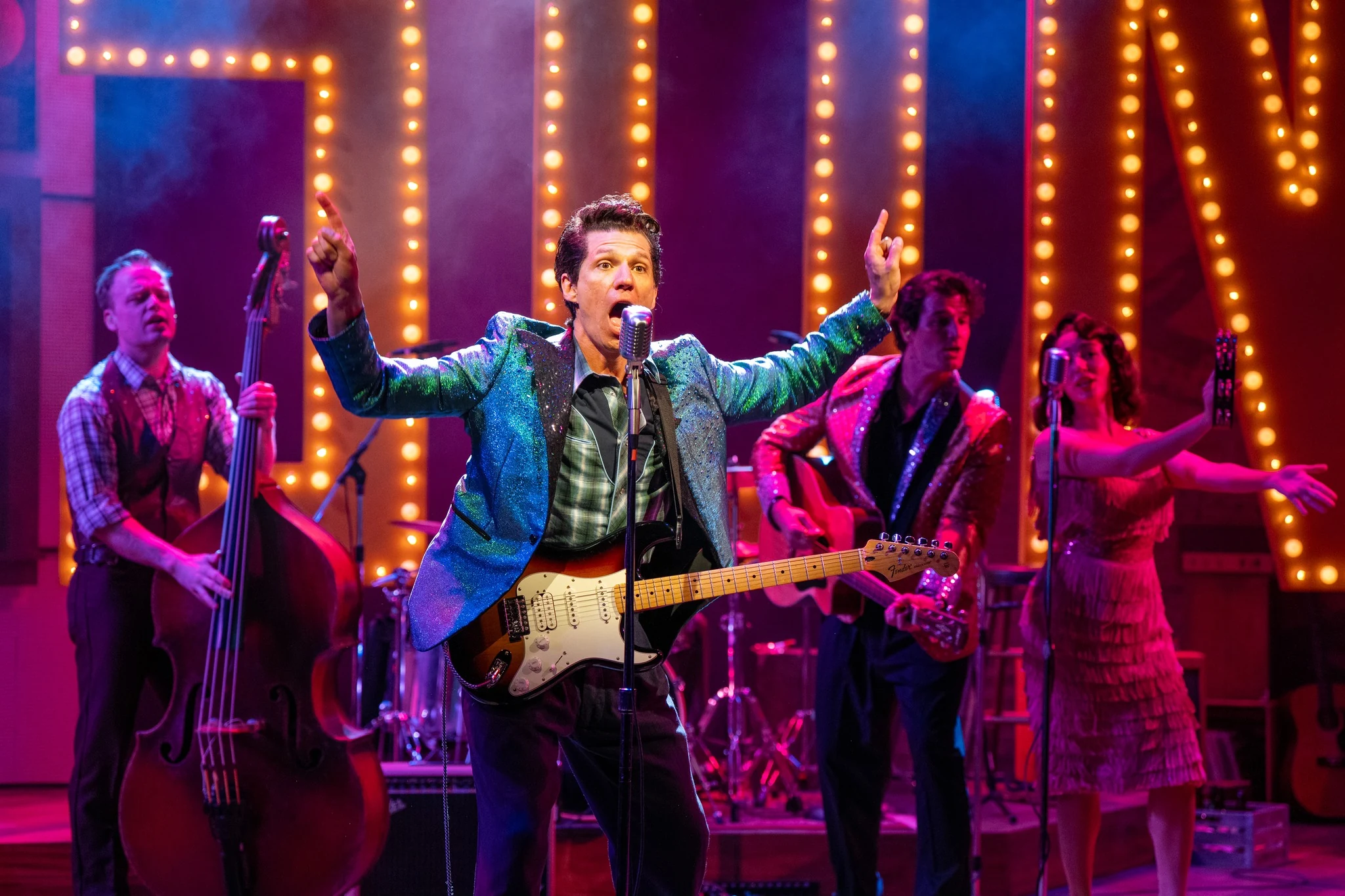

Opera helped establish the visual grammar of large-scale performance long before modern musical theatre. Its design history offers a useful record of how scenery, machinery, and composition evolved to support emotional storytelling at scale.
The art form emerged from Renaissance-era attempts to recreate the emotional impact of ancient Greek theatre. By blending spoken drama with musical accompaniment, early composers developed a new medium capable of evoking profound emotional responses—laying the foundation for what would become one of the most influential art forms in Western culture.
The opening of Teatro San Cassiano in Venice in 1637 marked a pivotal moment in opera’s evolution. As the world’s first public opera house, it shifted opera from exclusive court entertainment to a shared cultural experience. Venice quickly became Europe’s operatic center, inspiring composers to balance artistic experimentation with broad public appeal.
Opera as a Social Hub
Opera’s modern reputation as a formal, solemn experience stands in sharp contrast to its lively beginnings. In 17th-century Venice, opera houses functioned as vibrant social centers where audiences actively participated—chatting, laughing, and sometimes even singing along with performers.
These gatherings extended beyond the performance itself, offering audiences opportunities to:
- Engage in social networking
- Discuss politics and current events
- Share cultural experiences across social classes
- Form community connections
Think of early opera houses as Renaissance versions of today’s multipurpose entertainment venues. The social experience was as important as the performance, establishing opera as a cornerstone of urban cultural life and one of the first truly widespread entertainment media.

The Cultural Foundations of Opera
Ancient Greek Influences
Opera draws heavily from Greek theatrical traditions, which introduced structural and thematic elements that became foundational to operatic storytelling:
- Stock characters: heroes, villains, and comic figures
- Moral lessons: narratives designed to explore ethical questions
- Communal catharsis: shared emotional release through performance
- Chorus function: groups commenting on the action, mirrored in operatic ensembles
These conventions provided a template for emotionally charged narratives that opera would refine and expand.
Shakespeare’s Dramatic Blueprint
Shakespeare’s plays profoundly shaped opera’s development, offering stories rich in emotional complexity and human conflict. Themes of love, ambition, betrayal, and redemption aligned naturally with opera’s expressive potential.
Notable adaptations include:
- Verdi’s Macbeth and Otello
- Gounod’s Roméo et Juliette
- Britten’s A Midsummer Night’s Dream
Beyond direct adaptations, Shakespeare’s mastery of pacing, rhythm, and dramatic tension influenced operatic structure itself, shaping how composers built emotional arcs and climactic moments.
The Evolution of Opera Through History
Baroque Period (1600–1750)
Baroque opera established the formal foundations of the art form, developing two dominant styles:
Opera Seria
- Heroic, historical, and moralistic themes
- Highly ornamented vocal lines
- Formal recitative–aria structures
- Example: Handel’s Giulio Cesare
Opera Buffa
- Comic stories with everyday characters
- Lighter musical style
- Satirical takes on social behavior
- Example: Pergolesi’s La Serva Padrona
Modern connection: Baroque opera frequently appears in period dramas and is often staged today with minimalist designs that emphasize musical complexity.
Classical Period (1750–1820)
Influenced by Enlightenment ideals, Classical opera refined balance between music and storytelling:
- Greater emphasis on character psychology
- Integrated ensembles
- Clear dramatic structure
Mozart’s operas—The Marriage of Figaro and Don Giovanni—remain among the most frequently performed works worldwide.
Romantic Period (1820–1900)
Romantic opera embraced emotional intensity and realism (verismo), reflecting cultural shifts toward individualism.
Key examples and modern connections:
- Puccini’s La Bohème (inspired Rent)
- Puccini’s Turandot (“Nessun Dorma”)
- Verdi’s Falstaff, blending comedy with depth
Operetta: The Bridge to New Forms
Operetta marked a crucial transition in entertainment history by:
- Mixing spoken dialogue with music
- Incorporating popular dance and humor
- Addressing social class and romance
- Establishing the “book and numbers” structure
Key works include:
- Offenbach’s Orpheus in the Underworld
- Johann Strauss II’s Die Fledermaus
- Gilbert and Sullivan’s H.M.S. Pinafore and The Pirates of Penzance

Operetta bridged European opera traditions with emerging American entertainment forms, shifting musical storytelling toward accessibility and mass appeal.
Opera’s Star System: The Birth of Celebrity
Opera helped create the modern concept of the star performer. Celebrated singers became international icons:
- Divas (“goddess”)
- Divos (male counterparts)
- Prima donna (“first lady”)
Figures such as Maria Callas, Enrico Caruso, and Luciano Pavarotti established fan culture, publicity strategies, and touring models that shaped today’s entertainment industry.
Voice Types in Opera
Female Voice Types
SopranoHighest range; heroines and romantic leadsExample: Violetta (La Traviata)
Mezzo-sopranoMiddle range; complex or villainous rolesExample: Carmen (Carmen)
ContraltoLowest range; authority or mystical figuresExample: Erda (Ring Cycle)
Male Voice Types
TenorHighest range; romantic heroesExample: Rodolfo (La Bohème)
BaritoneMiddle range; villains or fathersExample: Figaro (The Barber of Seville)
BassLowest range; authority or comic rolesExample: Sarastro (The Magic Flute)
Setting the Stage for American Entertainment
Opera established core principles that would shape musical theatre and cinema:
Storytelling Through Music
- Establishing mood
- Revealing inner emotion
- Building narrative tension
Spectacle and Visual Impact
- Large-scale scenic effects
- Dramatic lighting
- Visual storytelling through movement

As opera encountered American audiences, new technologies, and democratic ideals, it adapted—paving the way for musical theatre and early cinema. Opera did not disappear; it transformed, leaving behind a blueprint for modern visual storytelling.
Pronunciation Guide
- Teatro San Cassiano — TEH-ah-troh san kah-SEE-ah-noh
- Buffa — BOOF-ah
- Opera Seria — OH-peh-rah SAY-ree-ah
- Giuseppe Verdi — joo-ZEP-peh VEHR-dee
- Giacomo Puccini — JAH-koh-moh poo-CHEE-nee
- Recitative — reh-chee-tah-TEEV
Frequently Asked Questions
Frequently Asked Questions
Why does opera matter in scenic design history?
Opera established many of the visual systems still used in stage design, including perspective environments, machine-driven transitions, and large-scale scenic storytelling.
How did early opera houses change design practice?
Public opera houses increased production volume and audience demand, which pushed designers toward repeatable methods, painted depth, and flexible scenic mechanisms.
What can contemporary scenic designers learn from opera?
Opera emphasizes composition, sightline control, and emotional scale. Those principles remain useful across theatre, musical staging, and large-format experiential work.
Is opera scenic design only about spectacle?
No. The strongest opera design supports dramatic clarity and rhythm. Spectacle is most effective when it serves narrative structure and performer focus.
How does this history connect to modern production workflows?
Current workflows still build on historic practices: collaborative drafting, layered visual systems, and rapid scene logic that balances artistic ambition with technical feasibility.


