Teaching Philosophy
Teaching scenic design through process, rigor, and practice.
My classroom is built around visual storytelling, technical fluency, and the kind of collaborative thinking students need in order to build sustainable creative lives.
I want students to leave with more than a polished project. They should understand how to research, communicate, revise, draft, present, and collaborate with clarity. Scenic design education works best when it prepares students for both artistic growth and the realities of professional practice.
A classroom shaped by structure, adaptability, and real-world design practice.
My teaching is rooted in theatre, but it speaks to a much wider creative landscape: live performance, digital visualization, themed entertainment, and collaborative design work that moves fluidly between concept and execution.
I care about helping students become articulate designers who can generate ideas, develop them rigorously, and adapt their process to the demands of different collaborators, technologies, and production contexts.
Build visual rigor alongside professional fluency.
Teach process in a way that still leaves room for discovery.
Prepare students for theatre, entertainment, and adjacent industries.

I teach scenic design as both an artistic discipline and a professional framework. Students need visual literacy, yes, but they also need to understand drafting, communication, materials, and how design choices function inside an actual process.
That foundation includes hand sketching, spatial thinking, historical and dramaturgical research, and digital workflow. I want students to understand why a method exists before they decide how to use it.
"Students learn best when process becomes visible, repeatable, and flexible."
Different students arrive with different strengths, anxieties, and ways of learning. My pedagogy has to meet that reality. I use collaborative projects, scaffolded assignments, visual examples, and direct feedback to help students build confidence without lowering the level of rigor.
Accessibility matters here too. I try to build courses that give students multiple ways into the work, whether that means tactile making, digital tools, iterative checkpoints, or supplemental material that helps them stay connected to the process.
Mentorship is where teaching becomes long-term. I want students to leave with a stronger sense of their own voice, but also with practical habits around communication, resilience, and self-advocacy.
I care about studio culture as much as curriculum. The most meaningful learning often happens in the environments we create around the work, where students feel supported enough to take risks, revise honestly, and learn from each other.
Teaching Experience
Stephens College, Lecturer (Remote), 2024 - 2025
Stephens College, Assistant Professor of Scenic Design, 2021 - 2024
University of Texas at El Paso, Visiting Assistant Professor, 2021
University of California, Irvine, Adjunct Lecturer and TA, 2017 - 2020
Courses Taught
Scenic Design
Introduction to Scenic Design
Digital Rendering
Entertainment Design and Collaboration
Vectorworks: Drafting and 3D Modeling
Technical Theatre
Properties Supervisor
I think of teaching as research in public. The classroom is where I test new tools, update workflows, and ask how emerging technologies actually change what students need to know.
That includes AI, rendering platforms, and visualization tools, but always with a critical lens. I want students to understand not just what a tool can produce, but how it affects authorship, taste, collaboration, and the larger design process.
Two course structures that show how I organize teaching in practice.
These syllabi translate the philosophy above into actual assignments, software workflows, and project pacing. They show how I balance conceptual thinking with technical fluency and professional expectations.

Syllabus
Experiential Design
Themed entertainment, immersive environments, and commercial storytelling workflows for designers working beyond the stage.

Syllabus
3D Modeling and Rendering
Vectorworks-based drafting, modeling, rendering, and documentation with an emphasis on professional scenic design workflow.
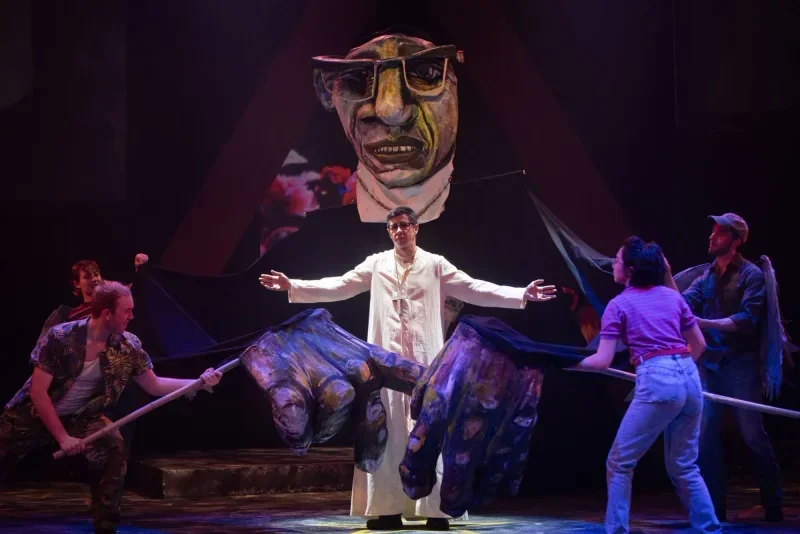
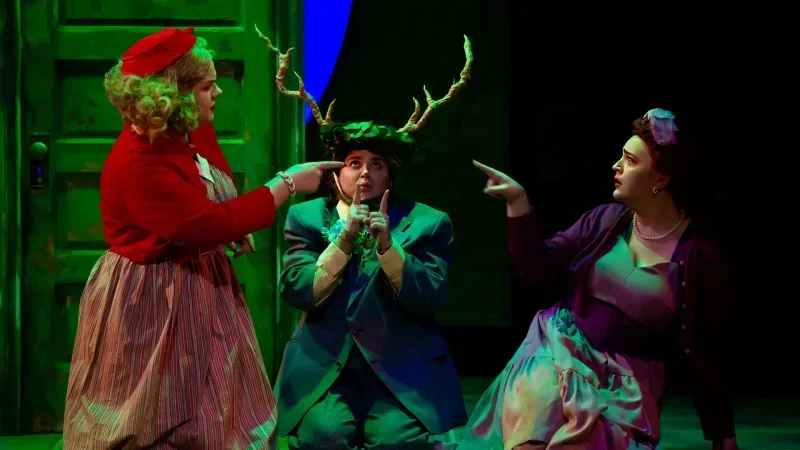
Scenic design work that enters the classroom.
Production work keeps the teaching current. These projects help shape conversations around process, storytelling, drafting, collaboration, and presentation.