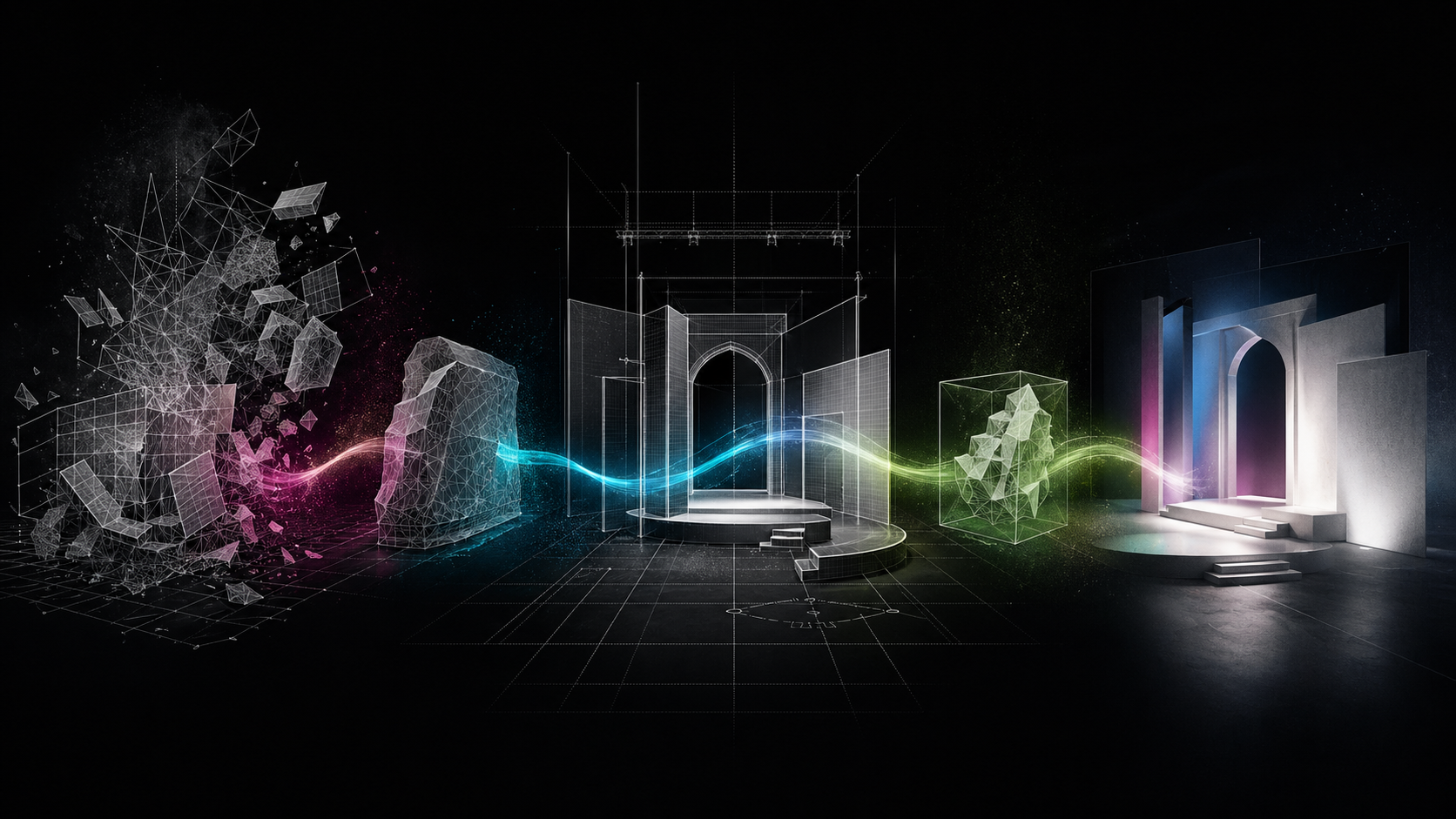
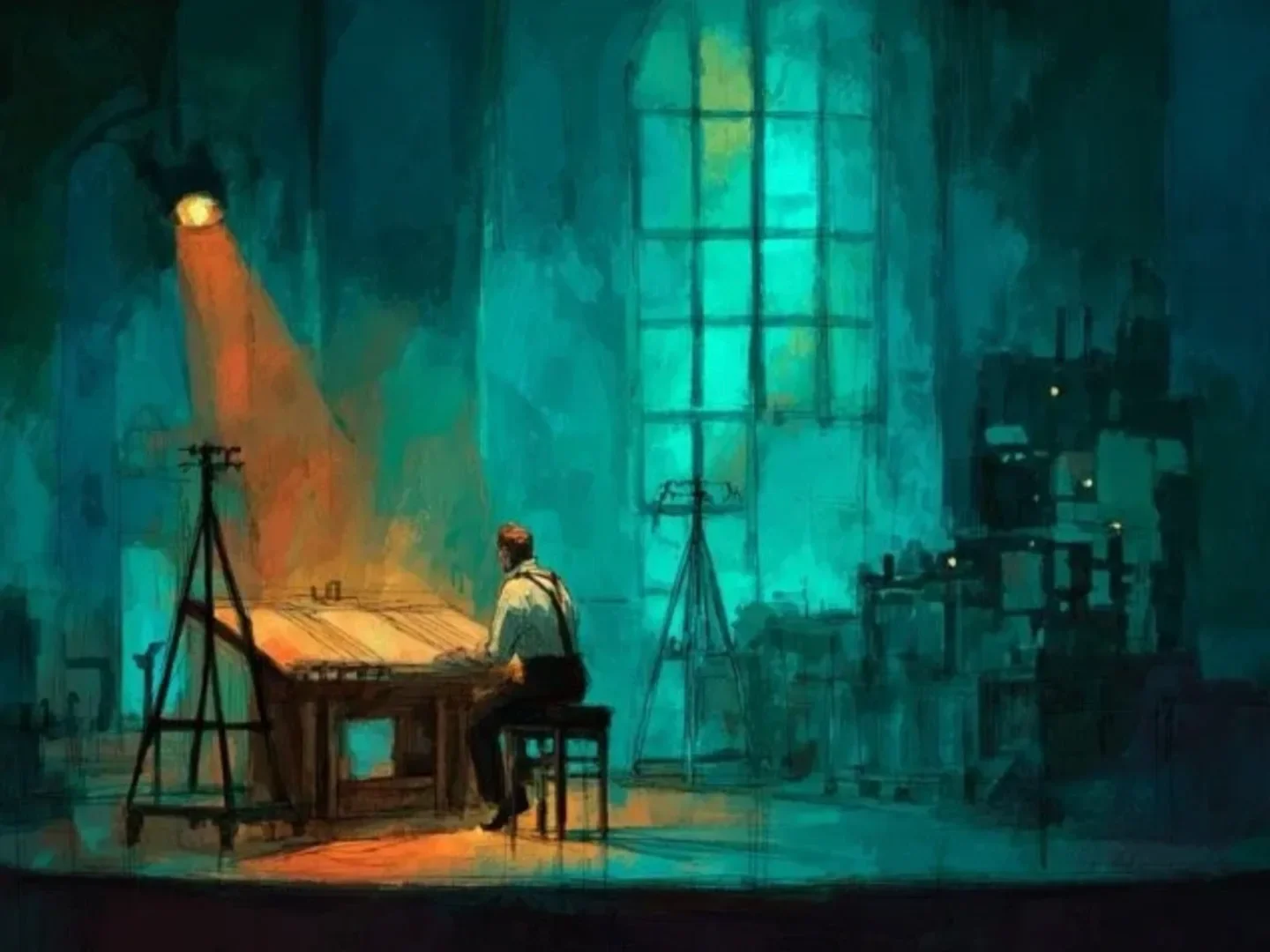
Lighting has always been a storytelling tool. In theatre, the way a scene is lit doesn't just serve visibility — it drives narrative, evokes emotion, and guides the audience's attention. Scenic designers know how crucial light is in creating worlds, shaping mood, and framing movement on stage.
The world of AI image generation has evolved dramatically over the past few years. Midjourney, launched in 2022, revolutionized how we think about AI art by introducing a sophisticated prompt-based system that could interpret complex lighting instructions. Despite newer models emerging, Midjourney remains relevant today because it pioneered the language of lighting in AI prompts — establishing terms like "cinematic lighting," "golden hour," and "volumetric light" that have become standard vocabulary across platforms.
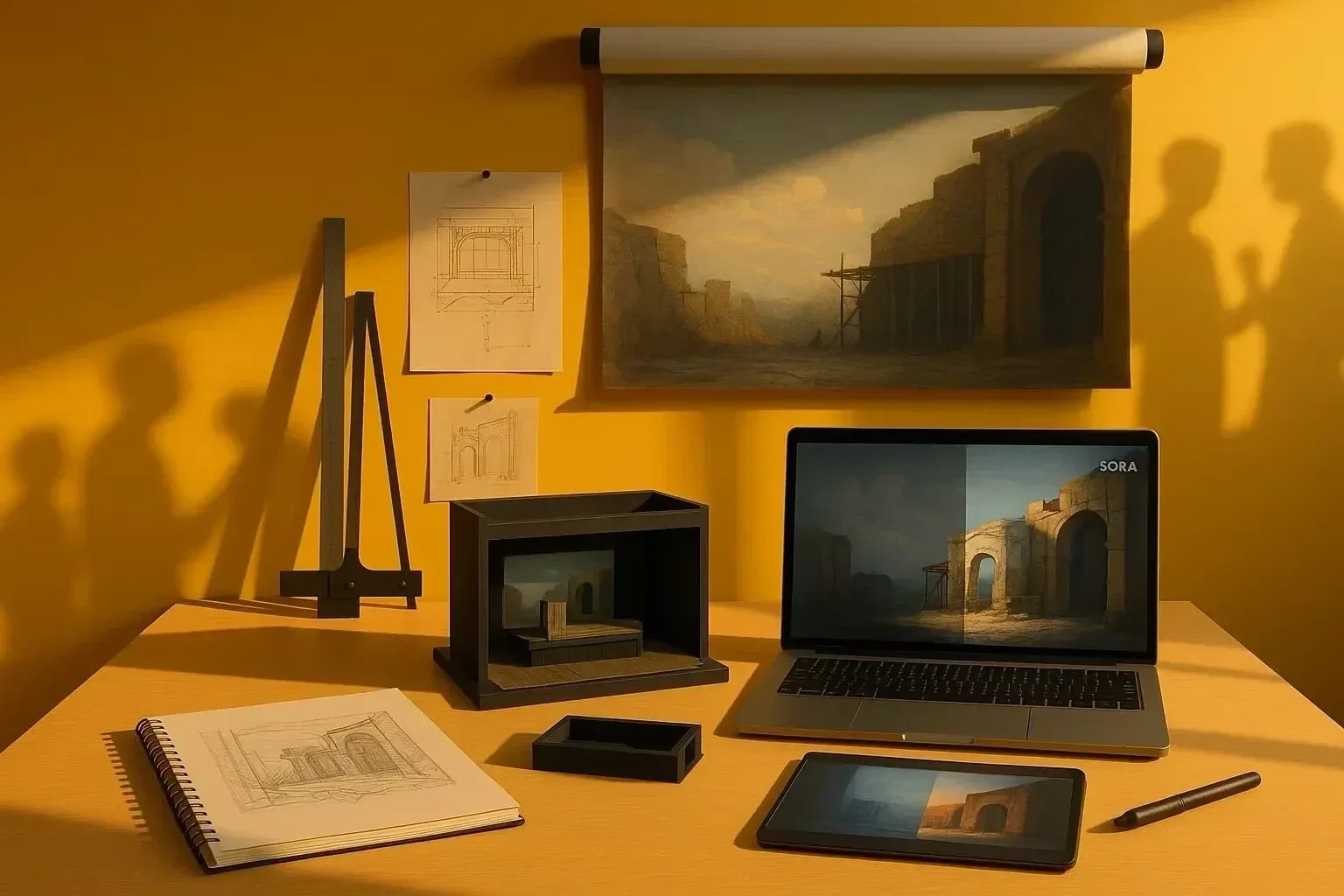
Sora, released by OpenAI in early 2024, builds upon this foundation while making the process more intuitive. Where Midjourney requires specific technical terminology and syntax for best results, Sora embraces natural language prompting, allowing designers to describe lighting scenarios in conversational terms. This accessibility makes it particularly valuable for theatre professionals who may not be versed in AI prompt engineering.
One particularly helpful approach I've discovered is using ChatGPT or other large language models (LLMs) as an intermediary when working with these art generators. The LLM can help translate your creative vision into the precise language that Midjourney or Sora responds to best. For example, telling ChatGPT "I want an artist's studio at sunset with dramatic shadows" might yield a refined prompt like "An artist's studio with scattered supplies, bathed in golden hour light with long, angular shadows stretching across wooden floorboards, cinematic composition, ultra-detailed."
Now, with AI art tools like Sora and Midjourney, I have new ways to experiment with lighting digitally. These tools offer scenic designers fast, visual ways to explore tone, color, and visibility long before stepping into a theater. But what does that actually mean in practice?
In this article, I'll explore 20 lighting styles used in AI image generation. Each style is paired with example prompts for both Sora and Midjourney, showing how a single scene can transform entirely based on how it's lit. While I'm showcasing the visual results from Sora exclusively, I've included the corresponding Midjourney prompt terminology to help those who might prefer that platform understand the different tagging approaches needed to achieve similar lighting effects.
The Scene: An Artist's Studio
To isolate the impact of lighting, I created a consistent base prompt:
"An artist's studio with a tall window, scattered paintbrushes, a large canvas on an easel, wooden floors, and shelves filled with art supplies. The space is lived-in and atmospheric, with cinematic framing and ultra-realistic detail."
I then applied 20 different lighting styles to this exact scene — nothing else changed. What emerged was a study of how powerful and nuanced lighting can be.
Cinematic & Realistic Lighting Styles
These lighting styles aim to replicate natural, believable light or evoke the refined, motivated setups seen in film. From the soft glow of daylight to the bold contrasts of low-key lighting, these techniques prioritize realism, storytelling, and emotional nuance. They're ideal for use in AI-generated scenes that want to feel grounded, cinematic, or timeless.
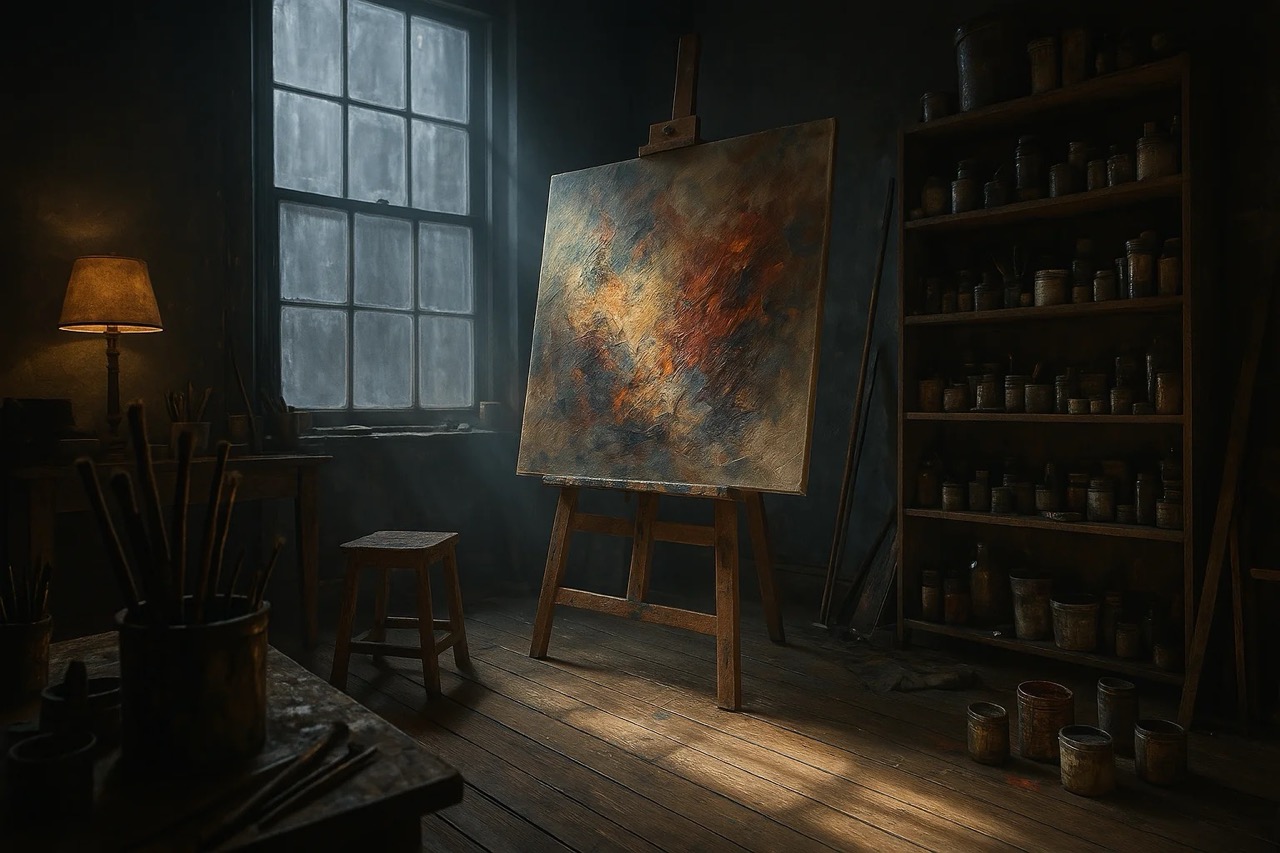
1. Cinematic Lighting
- Description: Polished, motivated lighting setups that create drama, depth, and mood, often mimicking film stills.
- Sora Prompt Tag: "moody cinematic lighting with practicals and volumetric shadows"
- MidJourney Tags: cinematic lighting, film still, volumetric, anamorphic
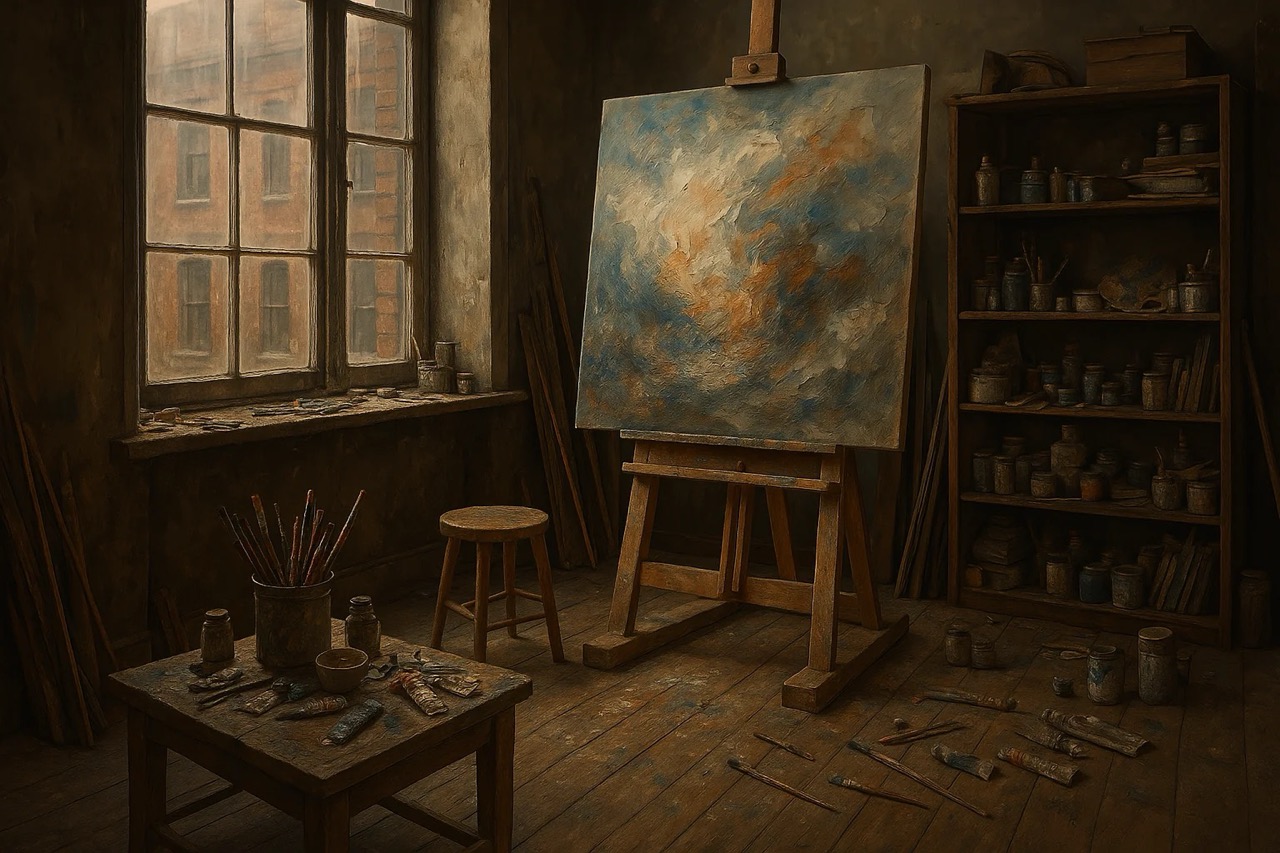
2. Natural Lighting
- Description: Soft, ambient light that mimics daylight. Balanced and realistic.
- Sora Prompt Tag: "soft natural daylight from a nearby window"
- MidJourney Tags: natural lighting, daylight, sunlit, soft shadows
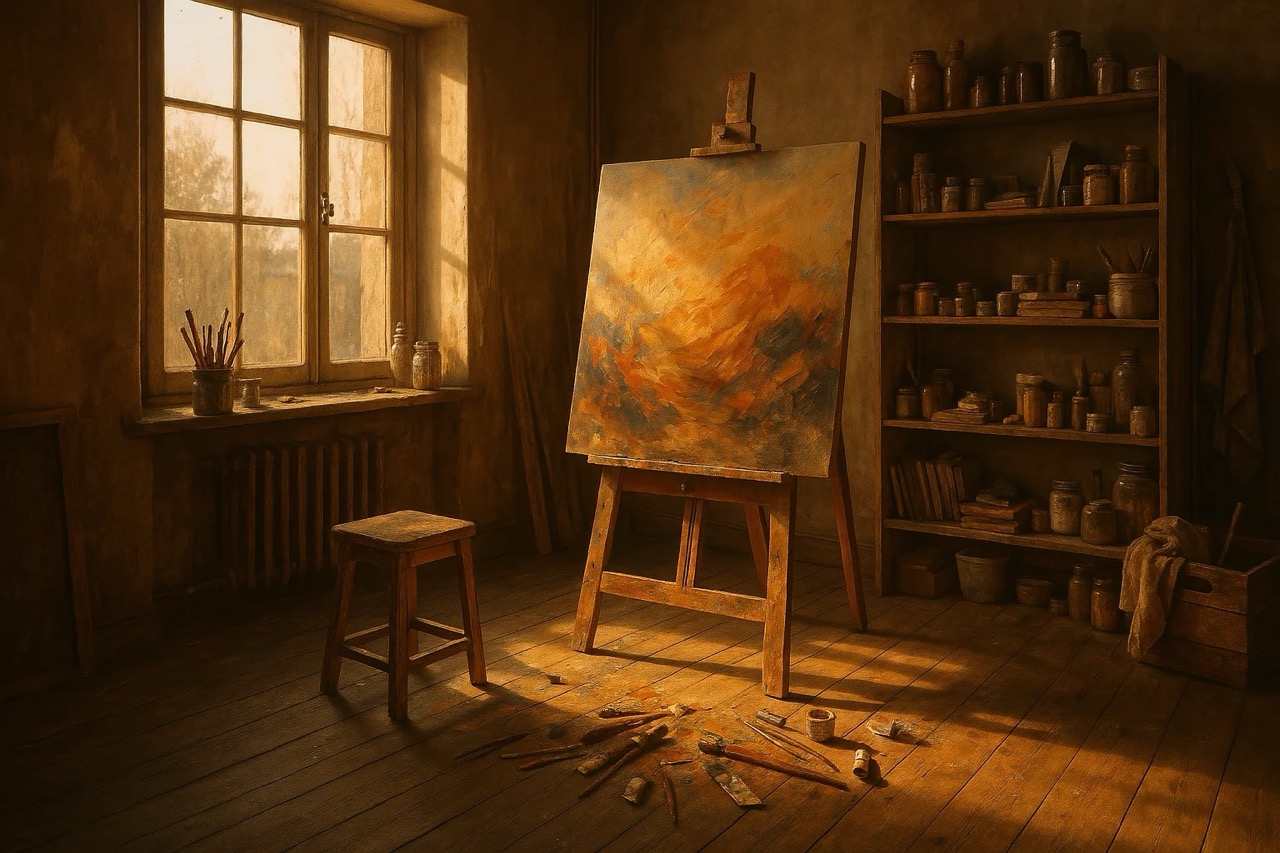
3. Golden Hour Lighting
- Description: Warm, low-angle light occurring shortly after sunrise or before sunset. Enhances skin tones and colors.
- Sora Prompt Tag: "warm golden hour light casting long soft shadows"
- MidJourney Tags: golden hour, sunset, warm glow, long shadows
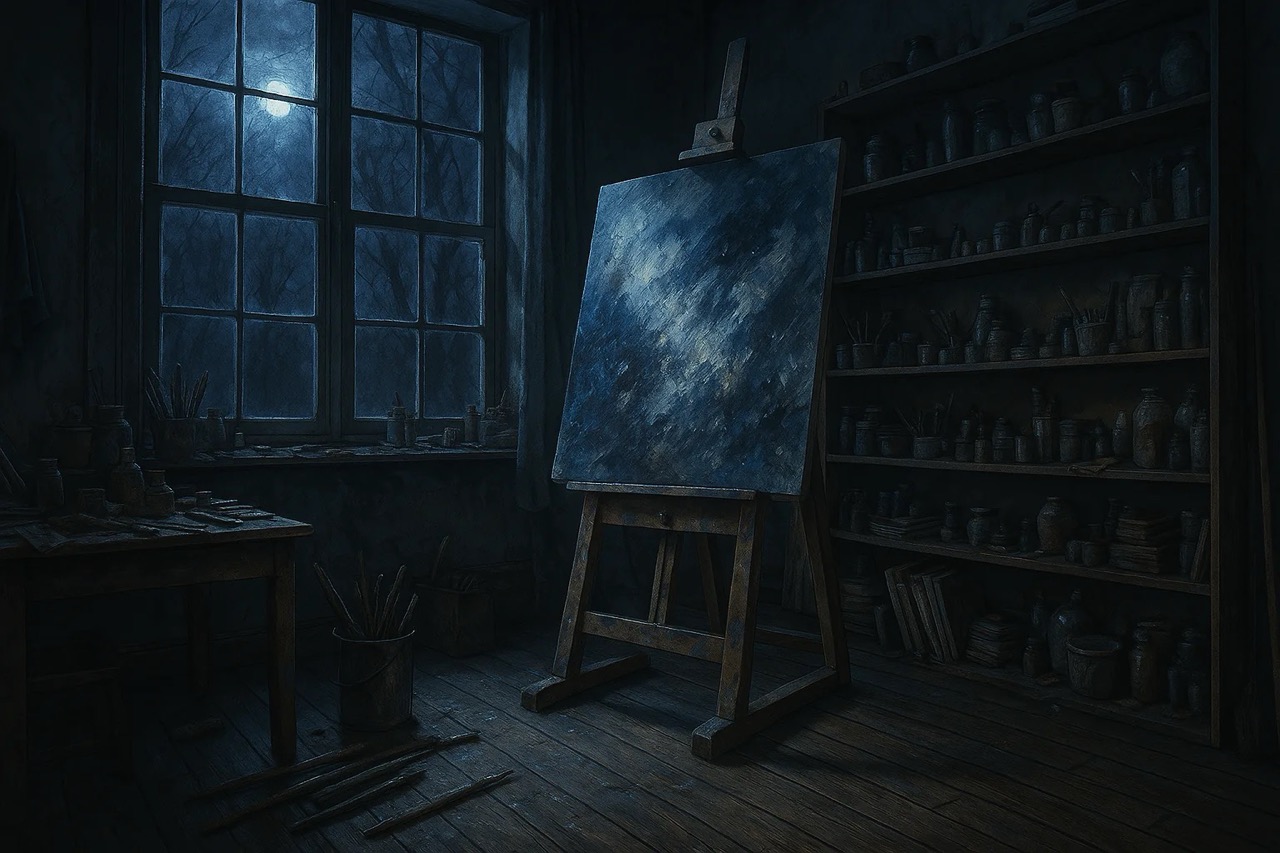
4. Moonlight / Night Exterior
- Description: Cool, dim light from the moon or ambient night environment. Often serene or mysterious.
- Sora Prompt Tag: "cool moonlight casting pale shadows through trees"
- MidJourney Tags: moonlight, night lighting, cool ambient, blue tones
5. Backlighting
- Description: Light source positioned behind the subject, creating silhouettes or rim lighting.
- Sora Prompt Tag: "backlighting with soft glow outlining the subject"
- MidJourney Tags: backlit, silhouette, rim lighting
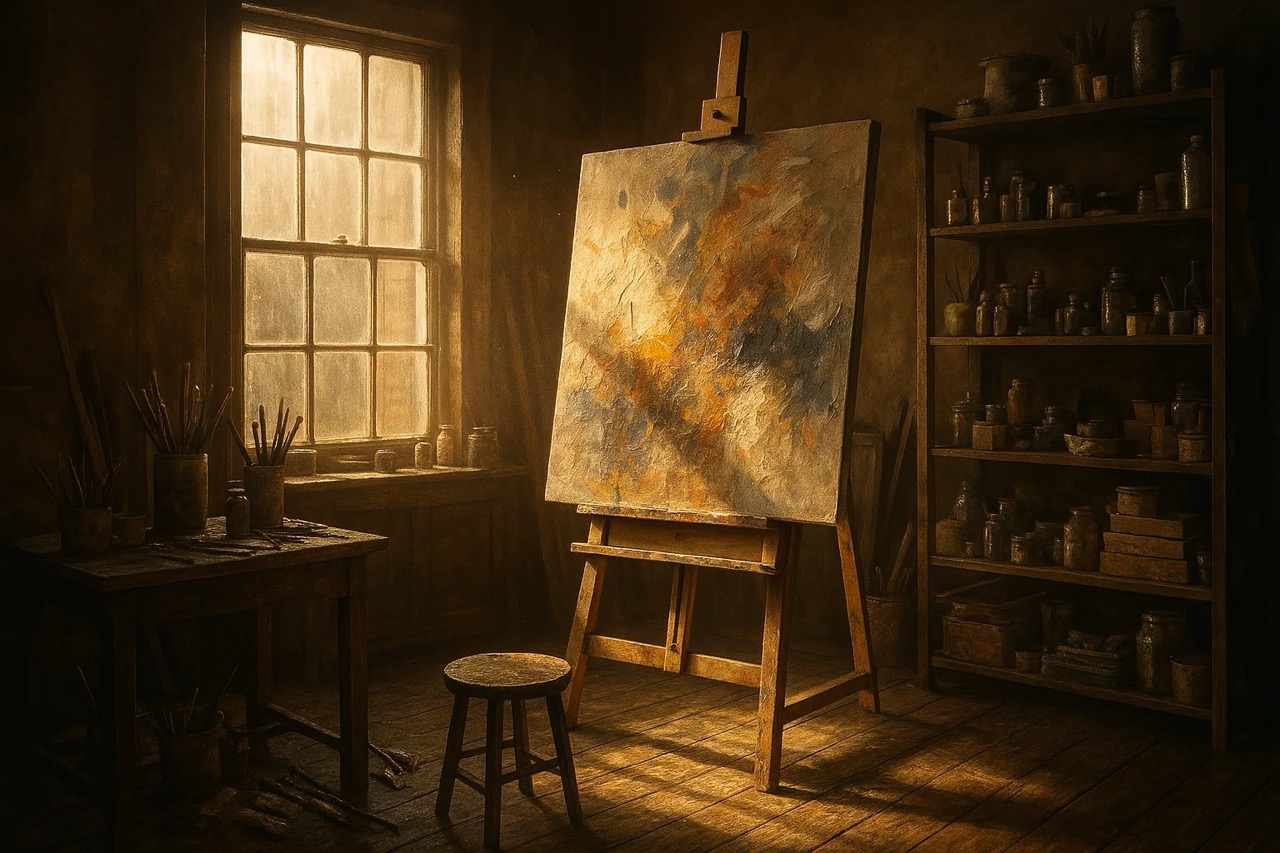
6. Soft Lighting
- Description: Diffused, even light that minimizes harsh shadows. Often used in portraits.
- Sora Prompt Tag: "soft diffused lighting with gentle transitions"
- MidJourney Tags: soft lighting, diffused, low contrast, even lighting
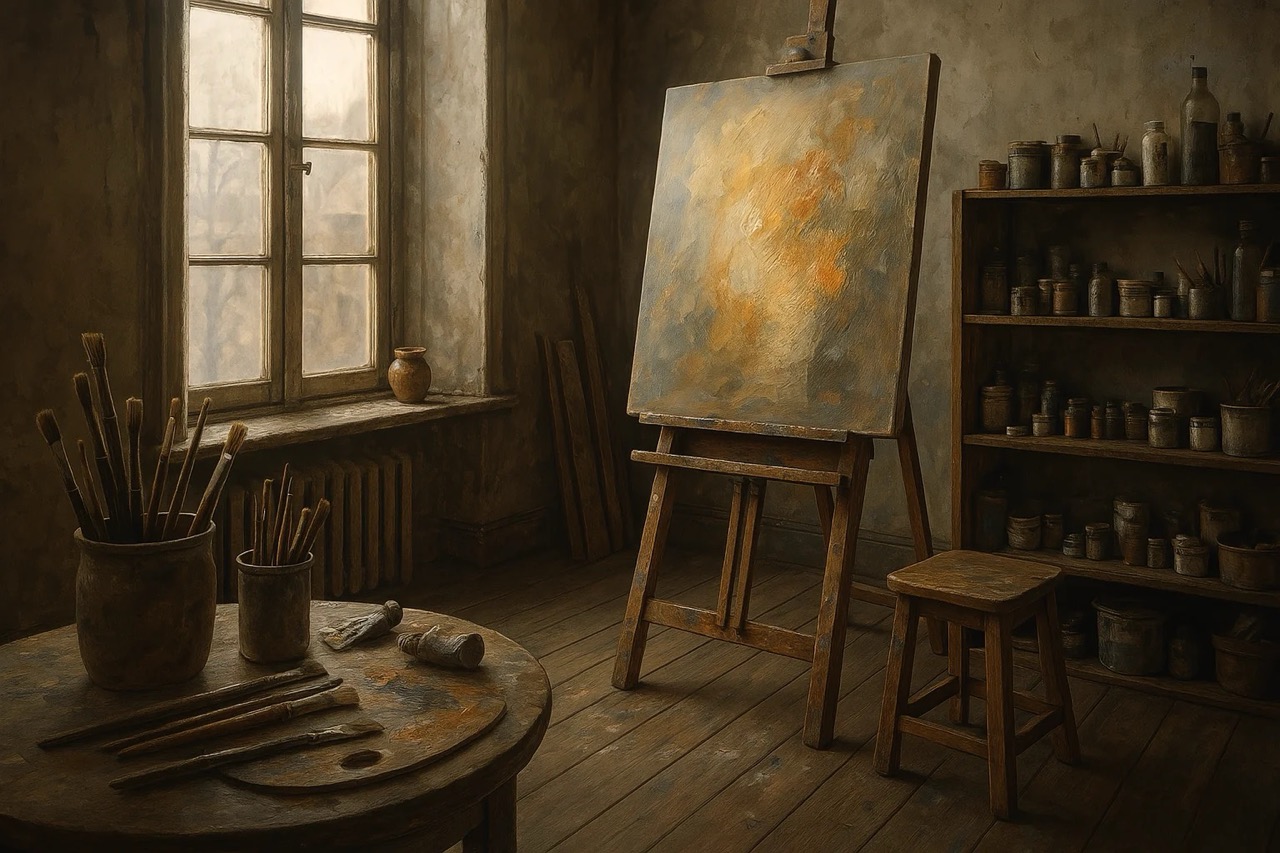
7. Hard Lighting
- Description: Intense, direct lighting that creates sharp edges and deep contrast.
- Sora Prompt Tag: "direct hard light casting sharp shadows"
- MidJourney Tags: hard lighting, high contrast, dramatic
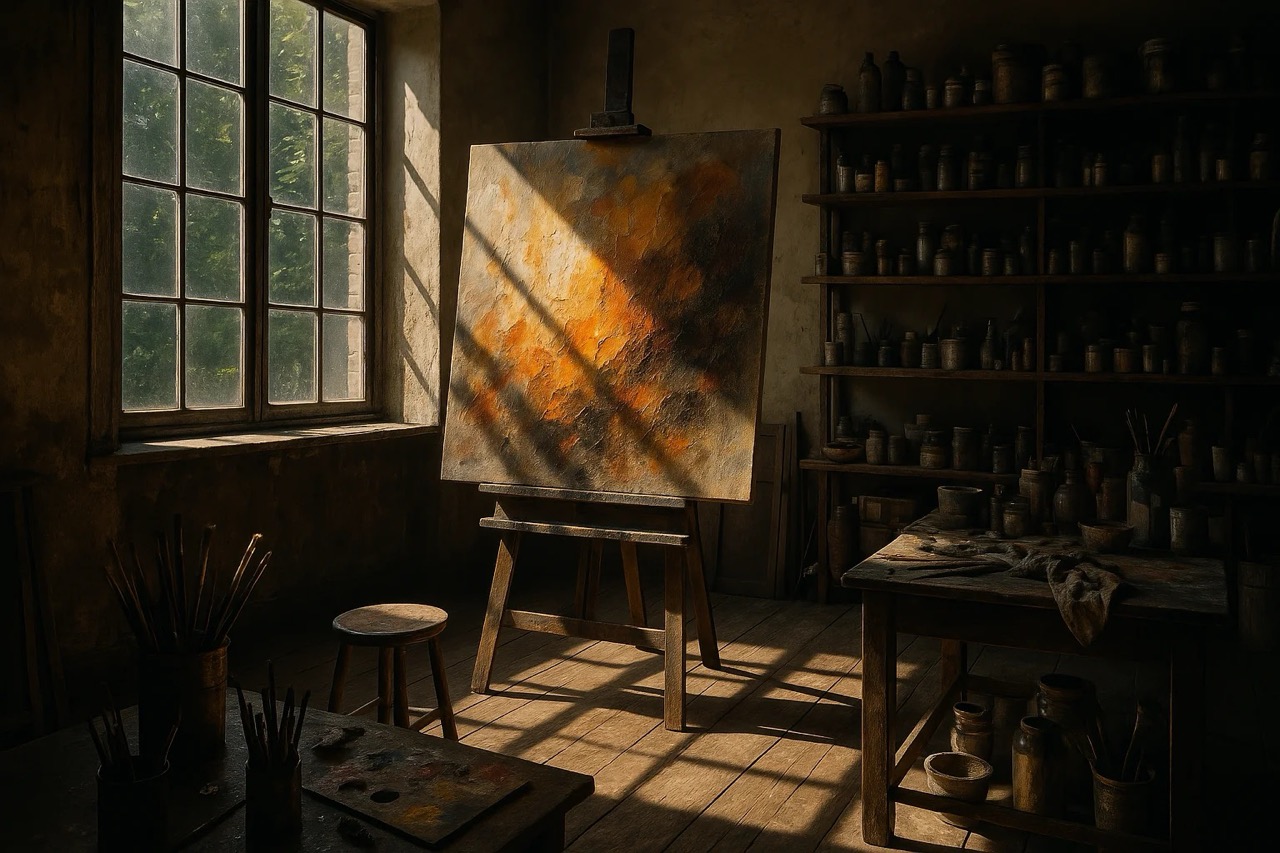
8. High-Key Lighting
- Description: Bright, low-contrast lighting that eliminates shadows. Used in comedies or product visuals.
- Sora Prompt Tag: "bright high-key lighting with minimal shadows"
- MidJourney Tags: high-key, bright, clean, even exposure
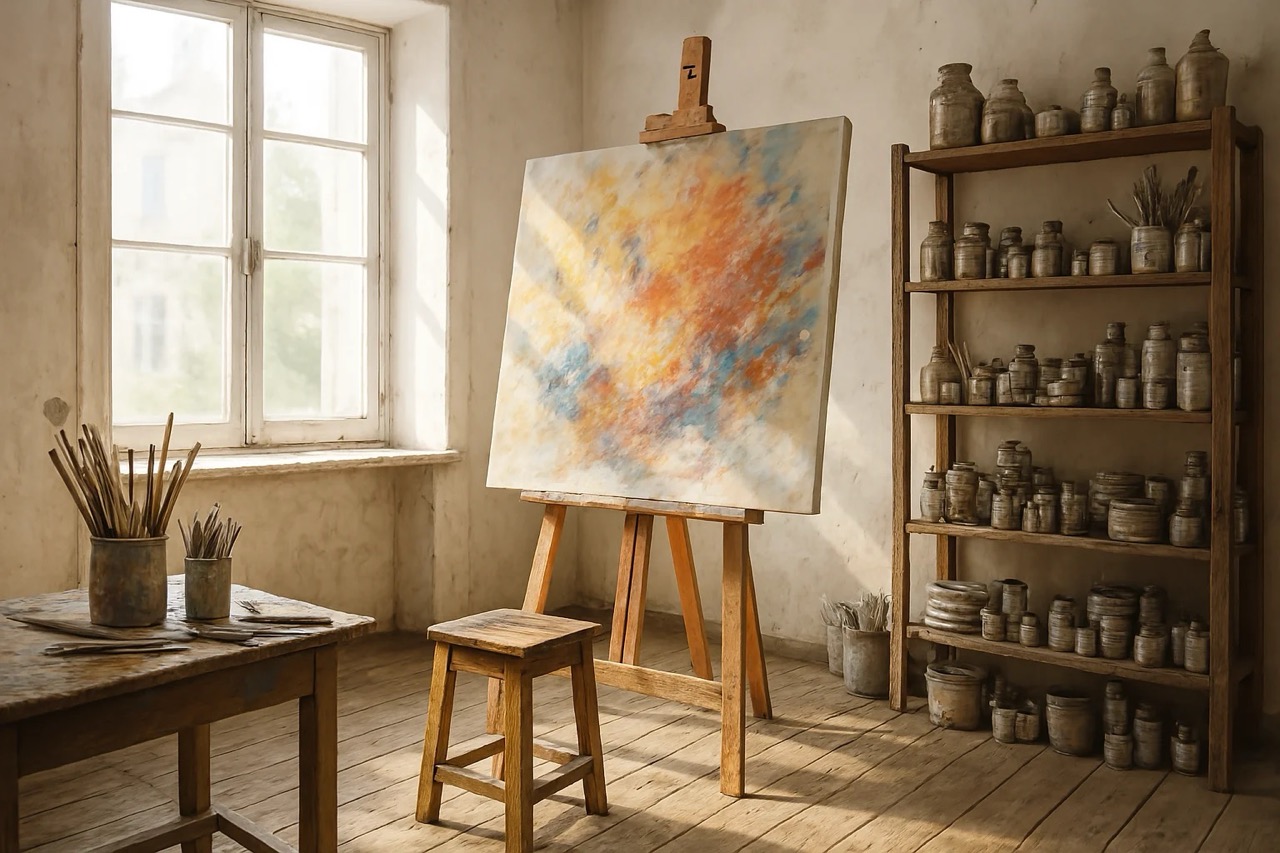
9. Low-Key Lighting
- Description: Dark, shadow-heavy lighting emphasizing contrast and mood. Often used for drama.
- Sora Prompt Tag: "low-key lighting with minimal fill and strong contrast"
- MidJourney Tags: low-key, dramatic, chiaroscuro, moody
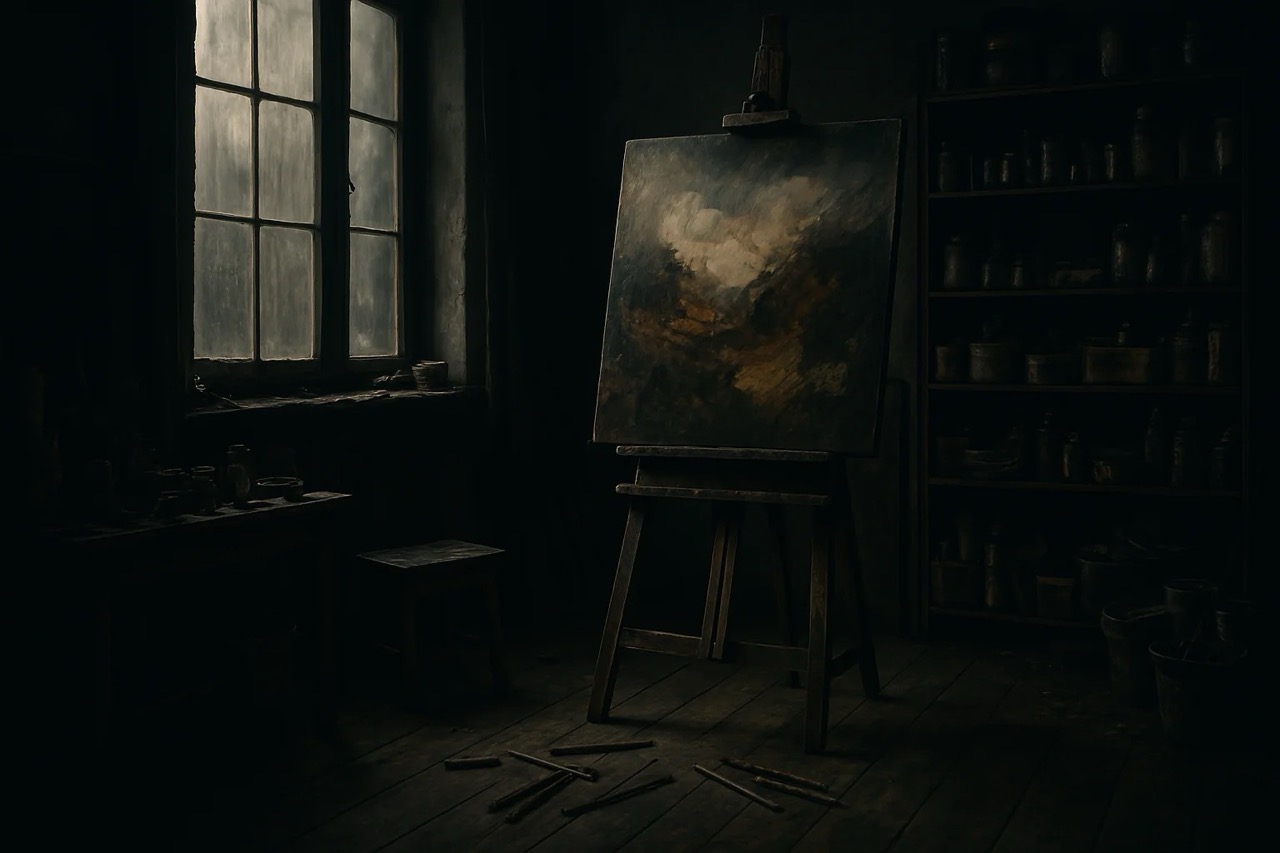
10. Film Noir
- Description: Stark black-and-white lighting, harsh shadows, and dramatic angles. Think 1940s mystery films.
- Sora Prompt Tag: "film noir lighting with Venetian blind shadows and side light"
- MidJourney Tags: film noir, hard shadows, low-key, black and white
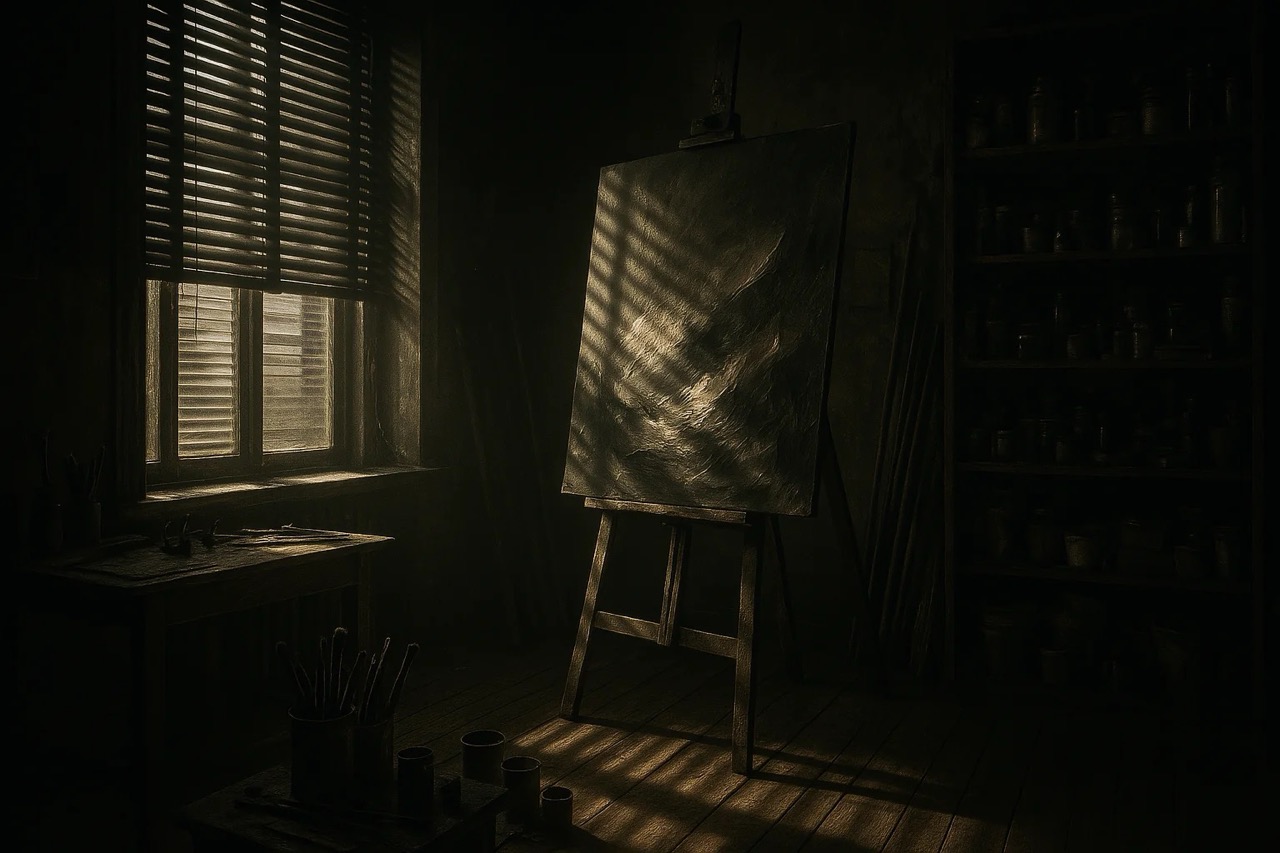
11. Retro / 1980s Lighting
- Description: Bold color gels, neon accents, and VHS glow. Often teal/magenta.
- Sora Prompt Tag: "1980s retro lighting with pink and blue neon glow"
- MidJourney Tags: retro, neon, vhs aesthetic, 80s lighting
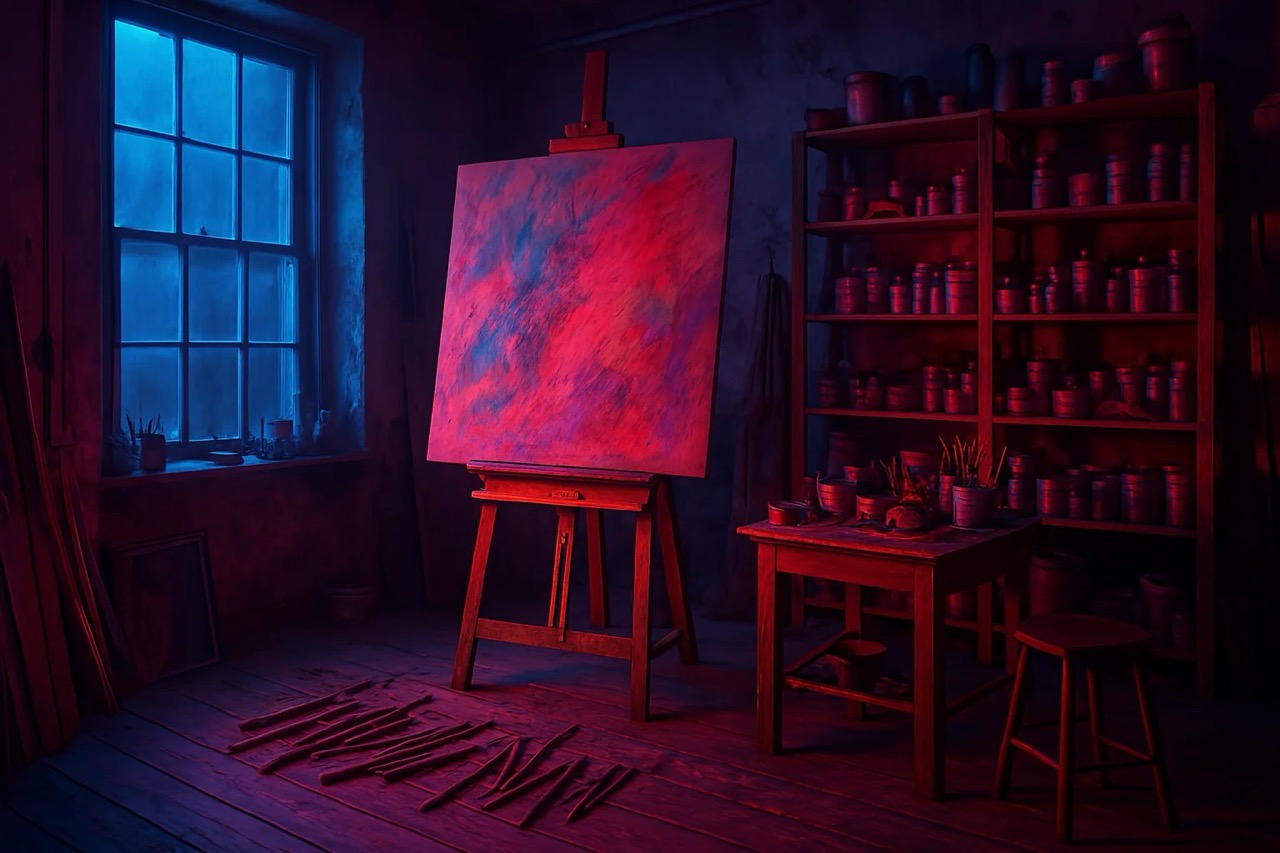
12. Sci-Fi / Futuristic Lighting
- Description: Cool-toned, LED-style lights with strong contrast. Often features tech glows or panels.
- Sora Prompt Tag: "sci-fi lighting with cyan strips and futuristic ambiance"
- MidJourney Tags: sci-fi, cyberpunk, futuristic, cool lighting
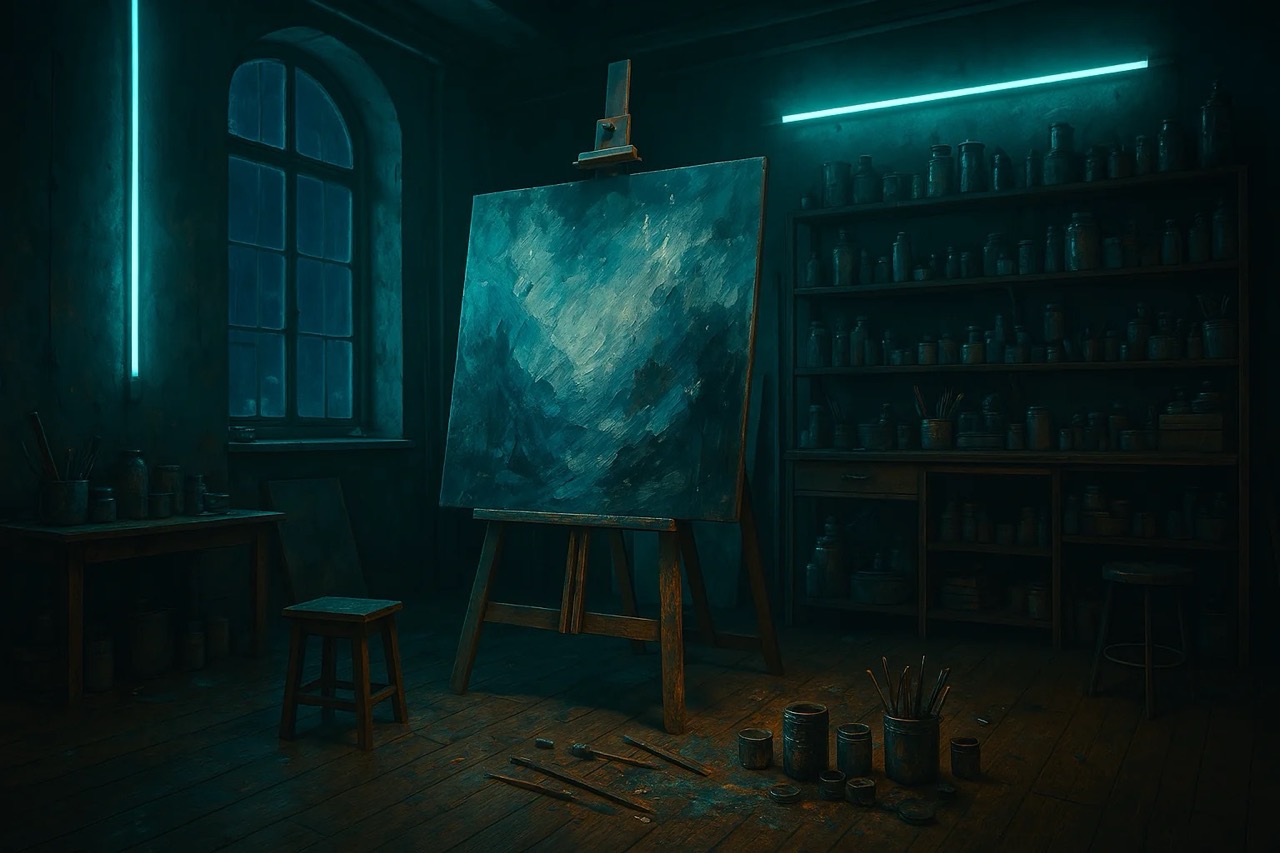
13. Fantasy / Magical Lighting
- Description: Enchanted glows, sparkles, and surreal hues. Often ethereal and colorful.
- Sora Prompt Tag: "fantasy lighting with magical sparkles and glowing mist"
- MidJourney Tags: fantasy lighting, glow, ethereal, magic
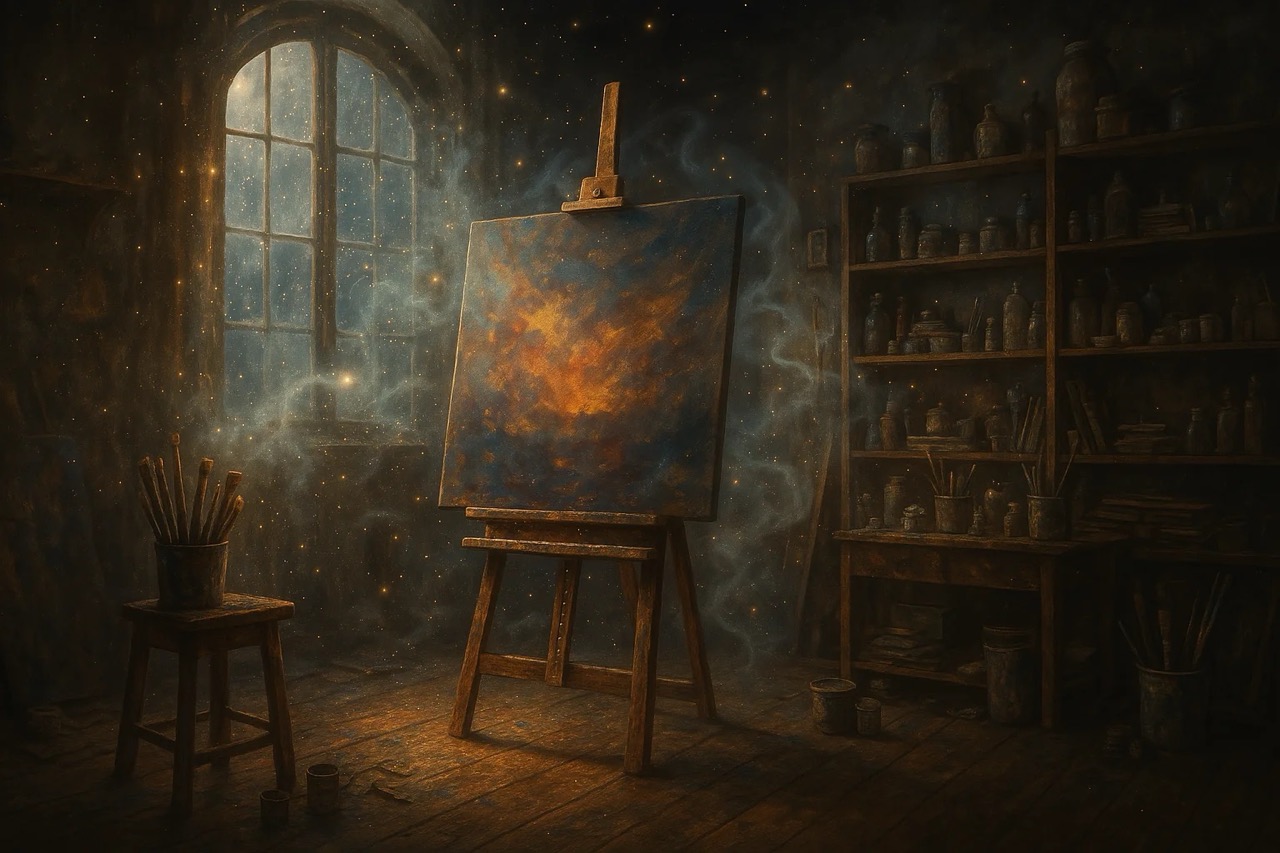
14. Horror Lighting
- Description: Uneven, eerie lighting using green, red, or underlit sources. Unsettling and stylized.
- Sora Prompt Tag: "horror lighting with red gel and underlit shadows"
- MidJourney Tags: horror, giallo, creepy shadows, underlighting
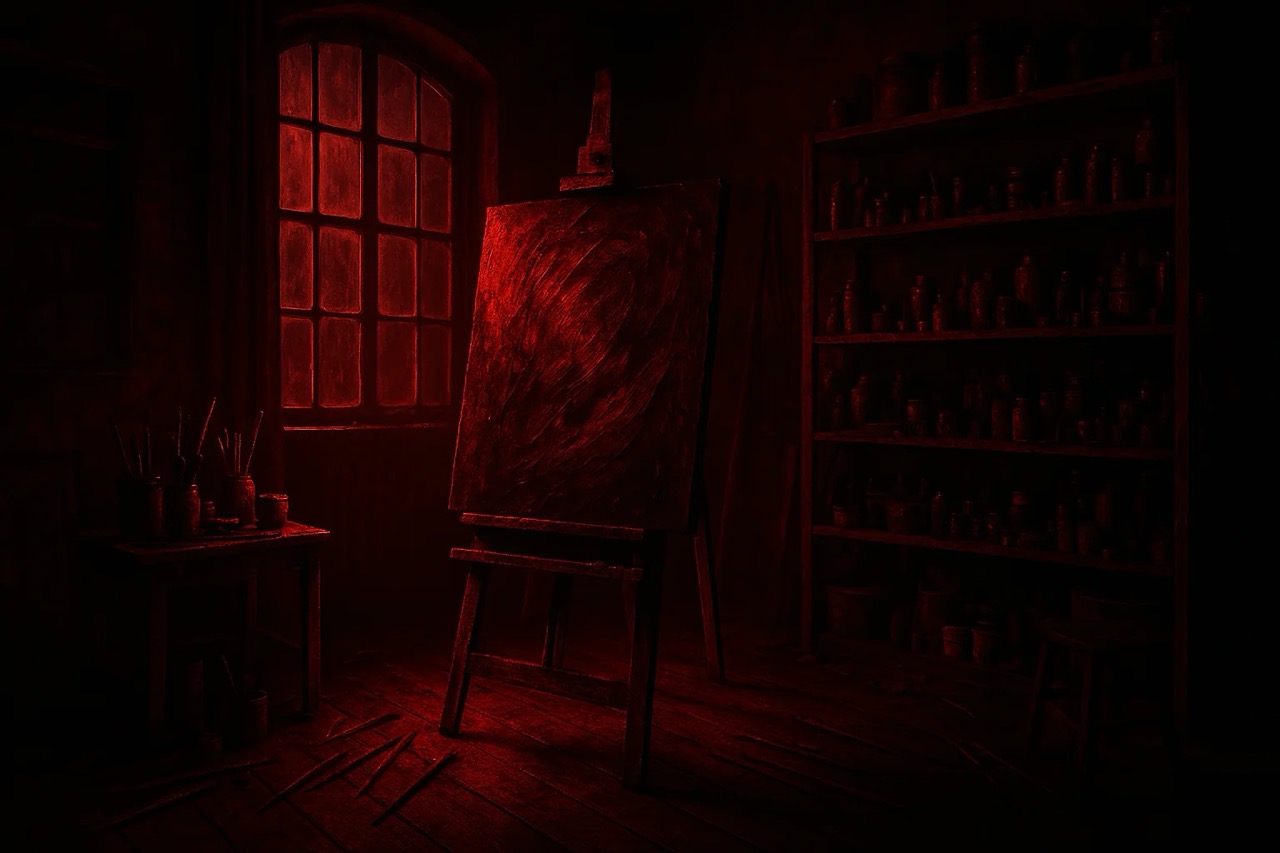
15. Romantic Lighting
- Description: Warm and soft lighting from candles, sunsets, or fireplaces. Cozy and emotional.
- Sora Prompt Tag: "romantic lighting with candle glow and soft highlights"
- MidJourney Tags: romantic, warm lighting, glow, bokeh
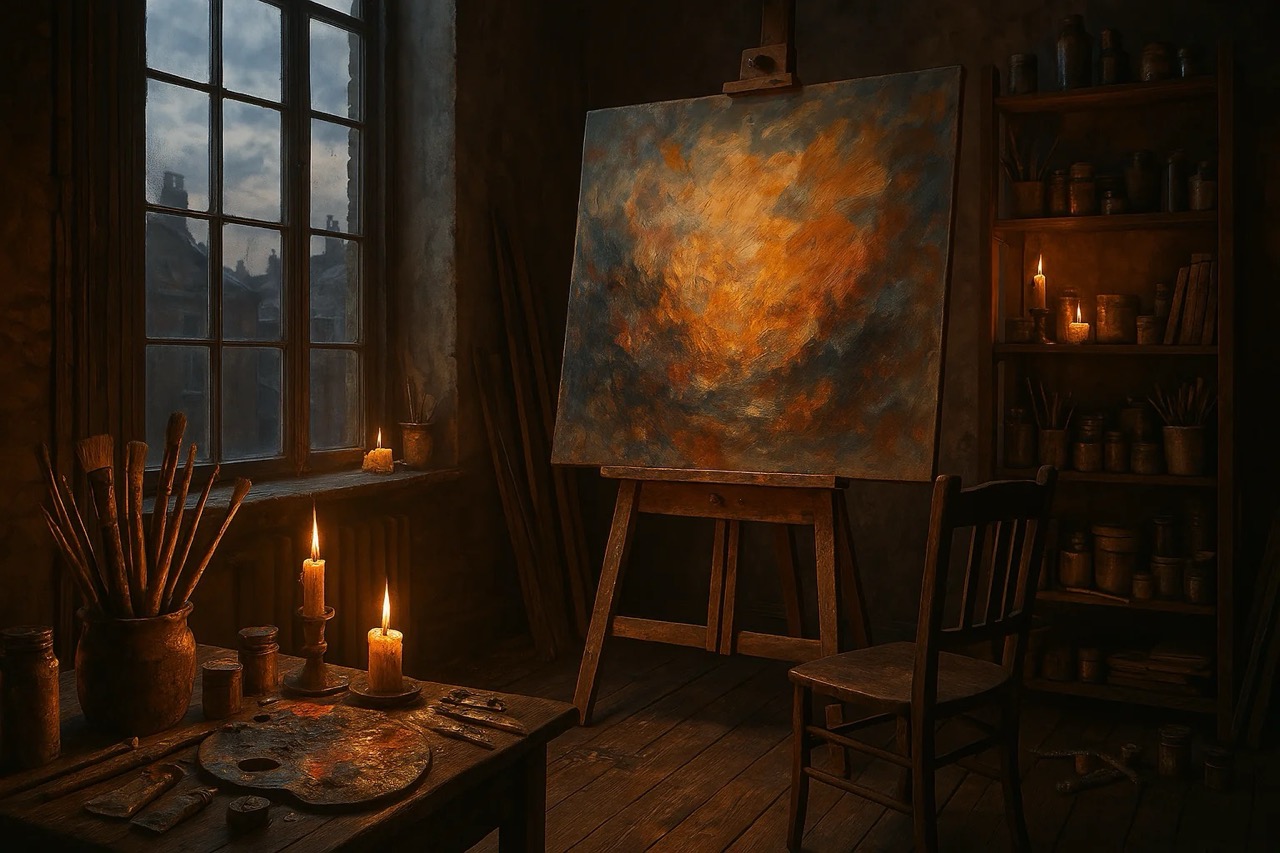
16. TV/Computer Screen Glow
- Description: A dim room lit only by a glowing monitor or TV, creating a soft blue glow.
- Sora Prompt Tag: "ambient blue light from a single computer screen"
- MidJourney Tags: screen glow, blue ambient, tv-lit, no other light
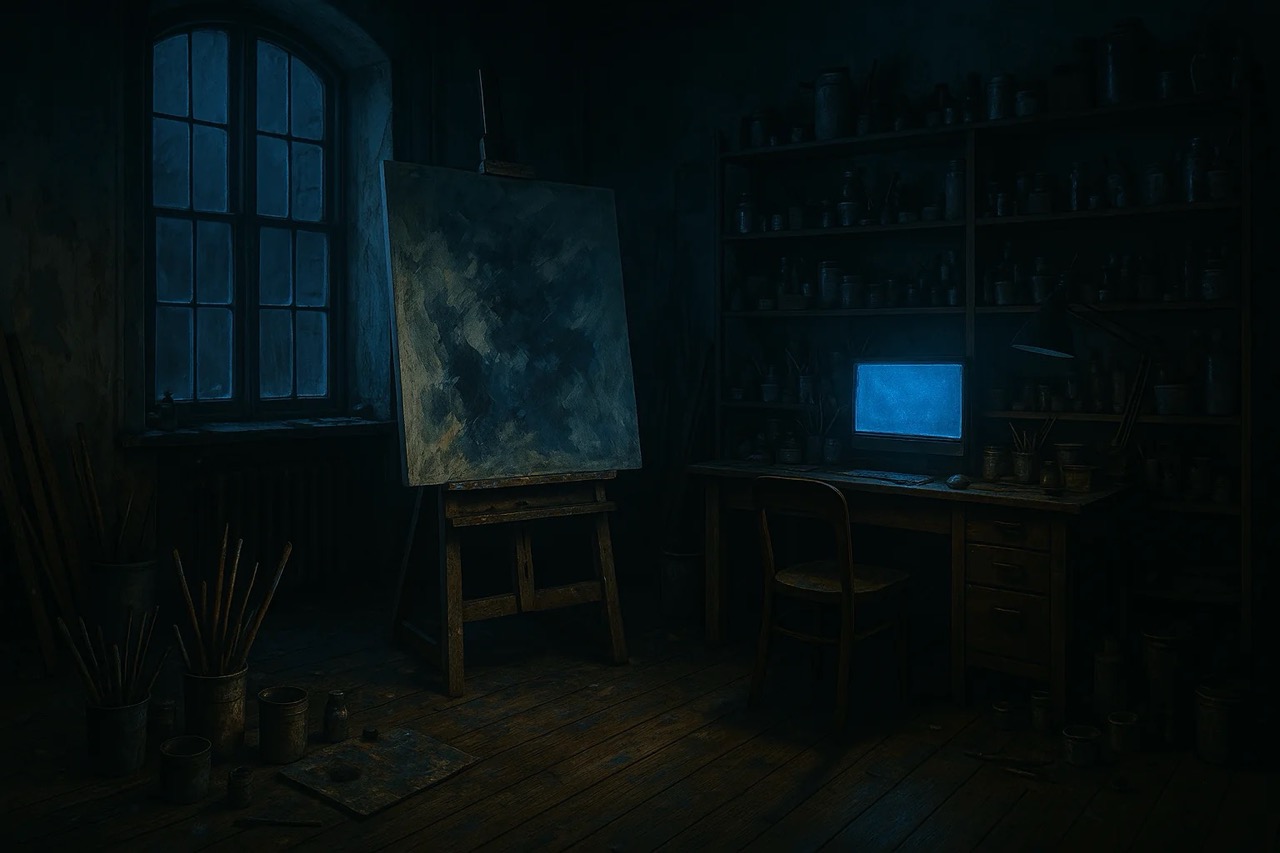
17. Stage / Theatrical Lighting
- Description: Strong beams from above or front with dramatic color washes, spotlights, or gobos.
- Sora Prompt Tag: "bold stage lighting with colored gel washes and single spotlight"
- MidJourney Tags: stage lighting, gobo, spotlight, theatrical
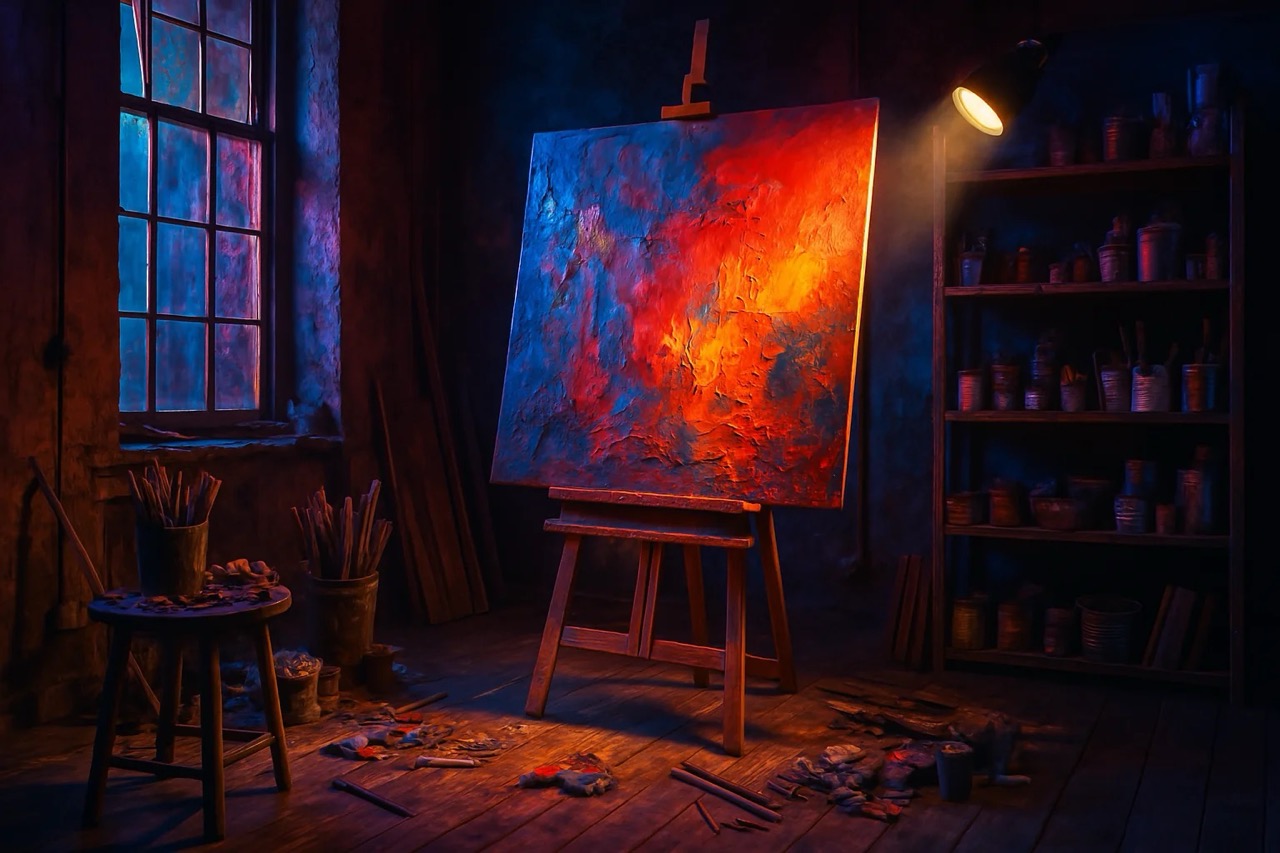
18. Volumetric Light / God Rays
- Description: Beams of light visible through fog or dust. Often used for atmosphere and awe.
- Sora Prompt Tag: "volumetric light rays piercing through haze"
- MidJourney Tags: god rays, volumetric, light beams, dusty light
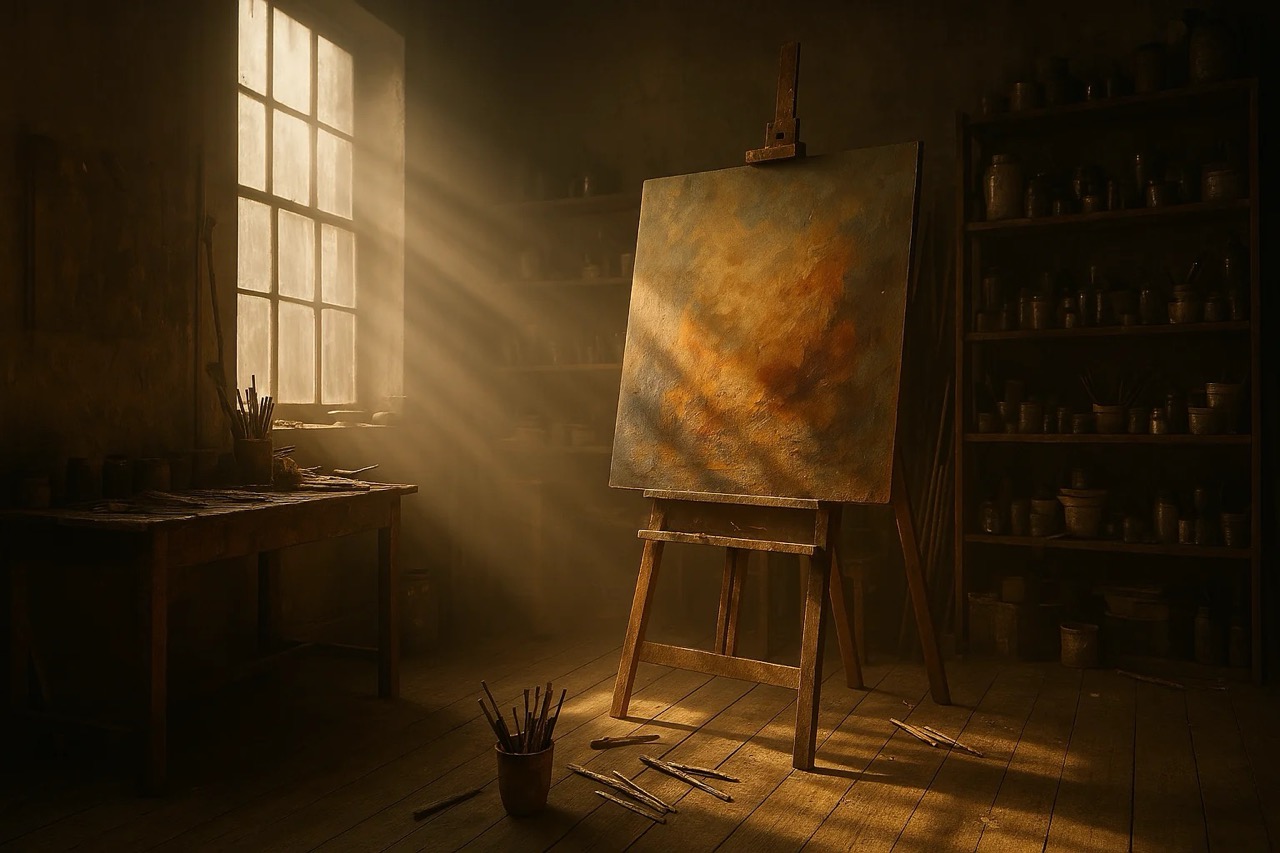
19. Overexposed / High-Contrast Stylized
- Description: Blown-out highlights, intense whites, and stylized contrast. Great for fashion or dream sequences.
- Sora Prompt Tag: "overexposed lighting with deep black contrast and blown-out whites"
- MidJourney Tags: overexposed, stylized lighting, fashion, washed out
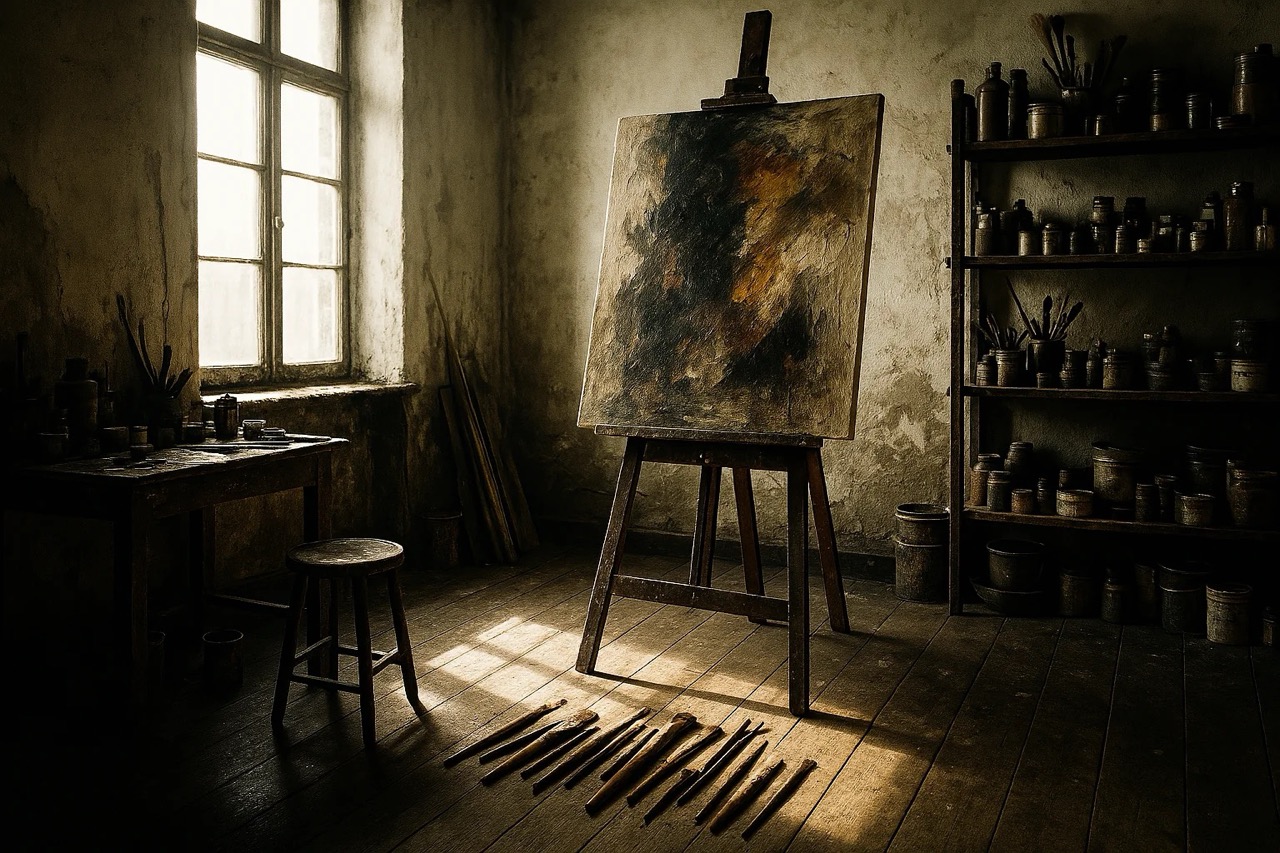
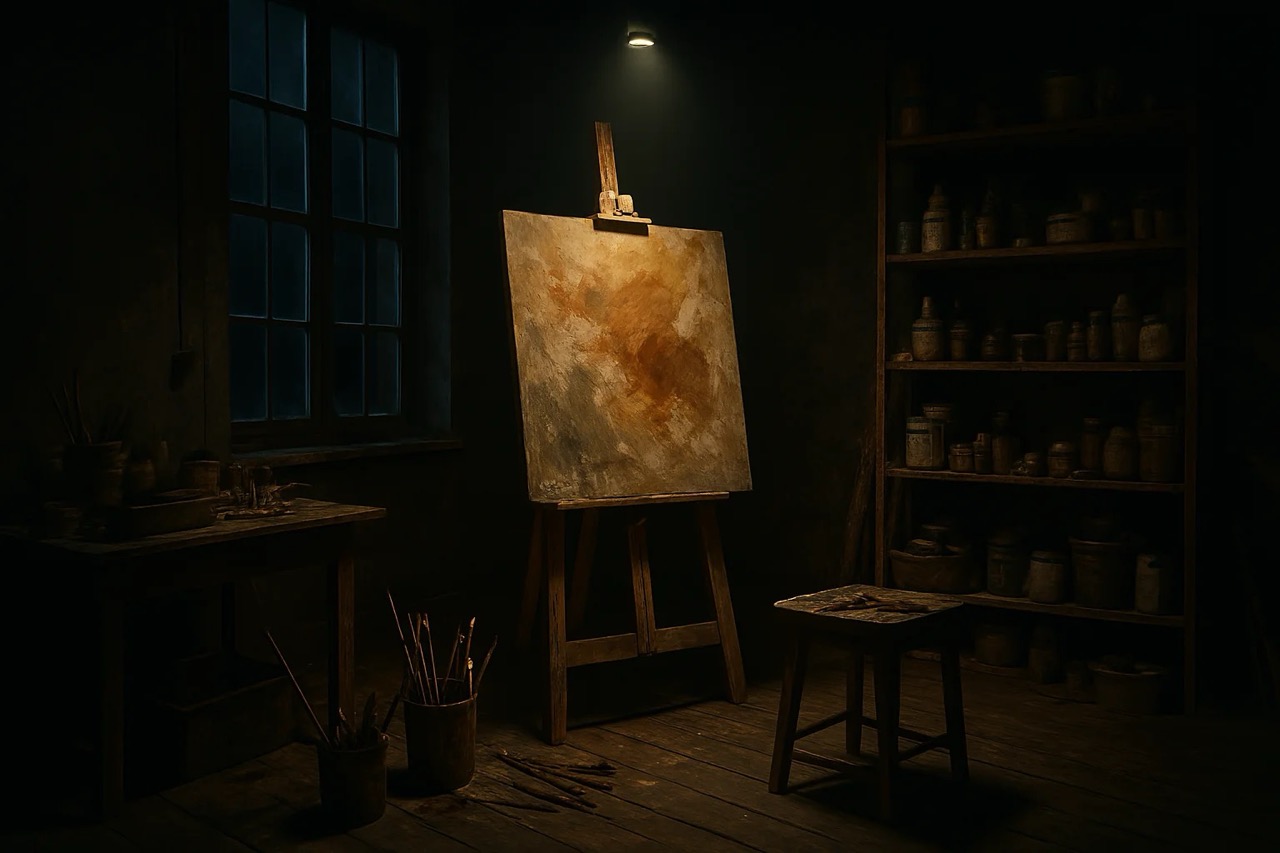
20. Spotlight
- Description: A single concentrated beam, isolating the subject from darkness. Often dramatic or intimate.
- Sora Prompt Tag: "isolated spotlight from above in a dark space."
- MidJourney Tags: spotlight, dramatic lighting, theatrical
Tips for Crafting an Effective Prompt
When working with AI tools like Sora or MidJourney, the quality of your output is only as strong as the clarity of your prompt. Here are a few tips I've developed for crafting prompts that deliver meaningful, theatrical results:
Start with space and function
Define what the scene is (e.g., "an artist's studio," "a stage set," or "a dressing room"). Be specific enough that the AI can visualize layout and objects.
Use vivid but focused descriptors
Choose key adjectives to define the mood and tone, such as "lived-in," "atmospheric," or "timeless." Avoid overloading the prompt with too many competing elements.
Add context about framing
Terms like "cinematic framing," "wide shot," or "overhead view" can help shape the composition.
Include the lighting style at the end
I've found that placing the lighting cue last helps the AI prioritize it — for example, "lit with warm golden hour light casting long soft shadows."
Think like a designer, not just a director
Consider what textures, colors, and staging elements reinforce the lighting — even in a text prompt, those scenic details matter.
Use an LLM as your prompt engineer
If you're struggling to get the right results, use ChatGPT or another LLM to help refine your prompts. Simply describe what you want to see, and the LLM can help translate your vision into the technical language that Midjourney and Sora understand best.
AI Prompt
[Setting description], [stylistic adjectives], [composition or camera angle], lit with [lighting style].
Example
AI Prompt
"An artist's studio with a tall window, scattered paintbrushes, a large canvas on an easel, wooden floors, and shelves filled with art supplies. The space is lived-in and atmospheric, with cinematic framing and ultra-realistic detail, lit with soft diffused lighting with gentle transitions."
Why It Matters for Theatre Designers
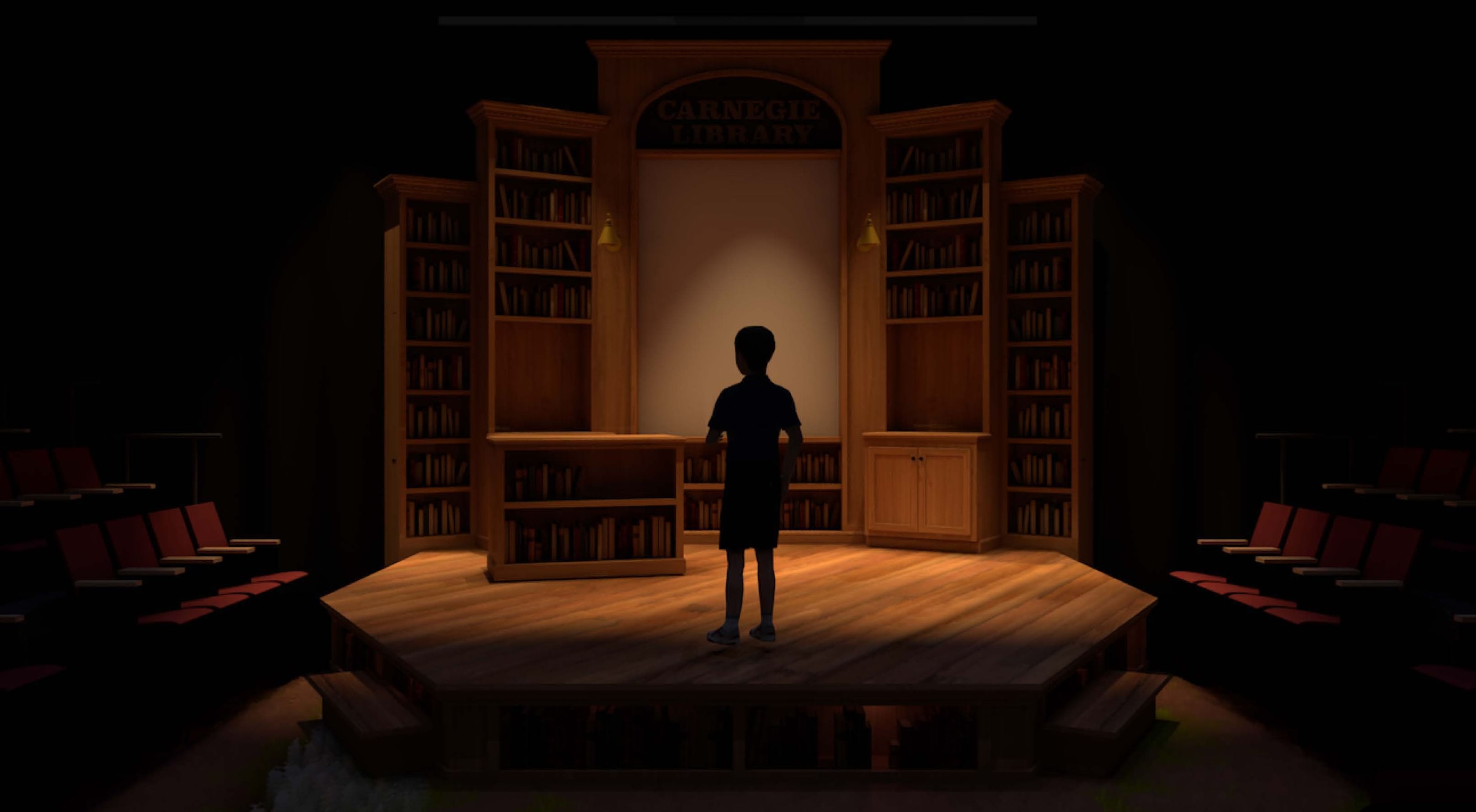
Lighting is one of the most effective tools theatre designers have to craft narrative visually. It shapes the rhythm of a production, builds atmosphere, and moves me emotionally from moment to moment. Scenic design is inseparable from lighting — the textures, materials, and architecture of a set are all in conversation with how they are illuminated. As a designer, I rely on this interplay to reveal space, emphasize scale, and reinforce meaning.
AI-generated images allow me to test those lighting choices early in the conceptual process. We can preview how a mood might shift between acts, or how a set might feel under warm candlelight versus harsh white overheads. It's not just about aesthetics — it's about narrative development. AI helps me visualize not just what a set looks like, but what it feels like.
Lighting isn't just aesthetic — it drives meaning. A cozy studio under soft daylight feels like a space of comfort and creativity. Lit from below with horror-style gels, the same studio becomes ominous. Add in neon lighting, and suddenly we're in a retro fever dream. These changes go beyond mood; they suggest character, genre, and narrative.
As AI-generated imagery becomes a tool in theatre design, previs, and storytelling, understanding lighting gives scenic and production designers more intentional control over tone, transitions, and the emotional pacing of a show. Whether I'm rendering scenic concepts or pitching a design, these lighting styles can help communicate your vision more effectively.
What's Next for Theatre Visualization
This experiment opens the door to more than just mood boards — imagine using lighting variation to communicate time of day, emotional arc, or even different play acts. You can connect this kind of prompt testing back to the Rendering & Visualization portfolio and the broader article archive to see how lighting decisions support design communication.
Want to try it yourself? You can apply these styles to your own scenic rendering workflows — using AI to visualize how different lighting approaches might support your designs. Download the full list of Sora prompts or adapt them for Midjourney to begin experimenting.