
Romeo & Juliet
A minimalist Great Depression-era landscape for Shakespeare’s tragedy, shaped by openness, scarcity, family memory, and New Swan Theatre Company’s outdoor theatre in the round.
- Year
- 2026
- Company
- New Swan Theatre Company
- Project
- Shakespeare / Drama
- Location
- Irvine, CA


The scenic design for New Swan Theatre Company’s Romeo & Juliet, directed by Rachel VanWormer, takes a minimalist approach to Shakespeare’s tragedy, placing the story against the landscape of the American Great Depression.
The design was deeply personal for me. Much of my early inspiration came from stories told by my late grandmother, Lois, about her childhood growing up in Oklahoma during the Great Depression. Those memories—of hardship, resilience, family, and making a life with very little—became an important starting point for thinking about the world of the play. My grandmother passed away during the design process, giving the work an unexpected additional meaning for me.
Visually, we looked toward rural Central Kansas and the Great Plains during the 1930s. Rather than creating a literal historical environment, I wanted to reduce the landscape to its essential qualities: openness, distance, scarcity, and a sense of a world shaped by difficult circumstances. The minimalist scenic design allows the actors and Shakespeare’s language to remain at the center while the environment quietly establishes the pressures surrounding the characters.
The Great Depression setting also offered a different way of understanding the conflict in Romeo & Juliet. In a community where resources are limited and survival is uncertain, family, reputation, and loyalty can carry enormous weight. Against that austerity, the relationship between Romeo and Juliet becomes a moment of possibility—a glimpse of another life within a world that often feels predetermined.
Designing the production for New Swan’s outdoor, in-the-round theatre made restraint especially important. Instead of trying to reproduce the vastness of the Great Plains, the scenery suggests it, allowing negative space and the surrounding environment to become part of the composition.
Ultimately, this Romeo & Juliet became one of my more personal scenic designs. It connects Shakespeare’s story to the visual history of Great Depression-era America, but it also connects to stories that were passed down through my own family. In that way, the design became both a landscape for the tragedy and a quiet tribute to my grandmother and the world she remembered.


Creative team
- By
- William Shakespeare
- Director
- Rachel VanWormer
- Scenic Designer
- Brandon PT Davis
- Costume Designer
- Ayrika Johnson
- Lighting Designer
- Nita Mendoza
- Sound Designer
- Aerik Harbert
- Photos By
- Jesus Lopez


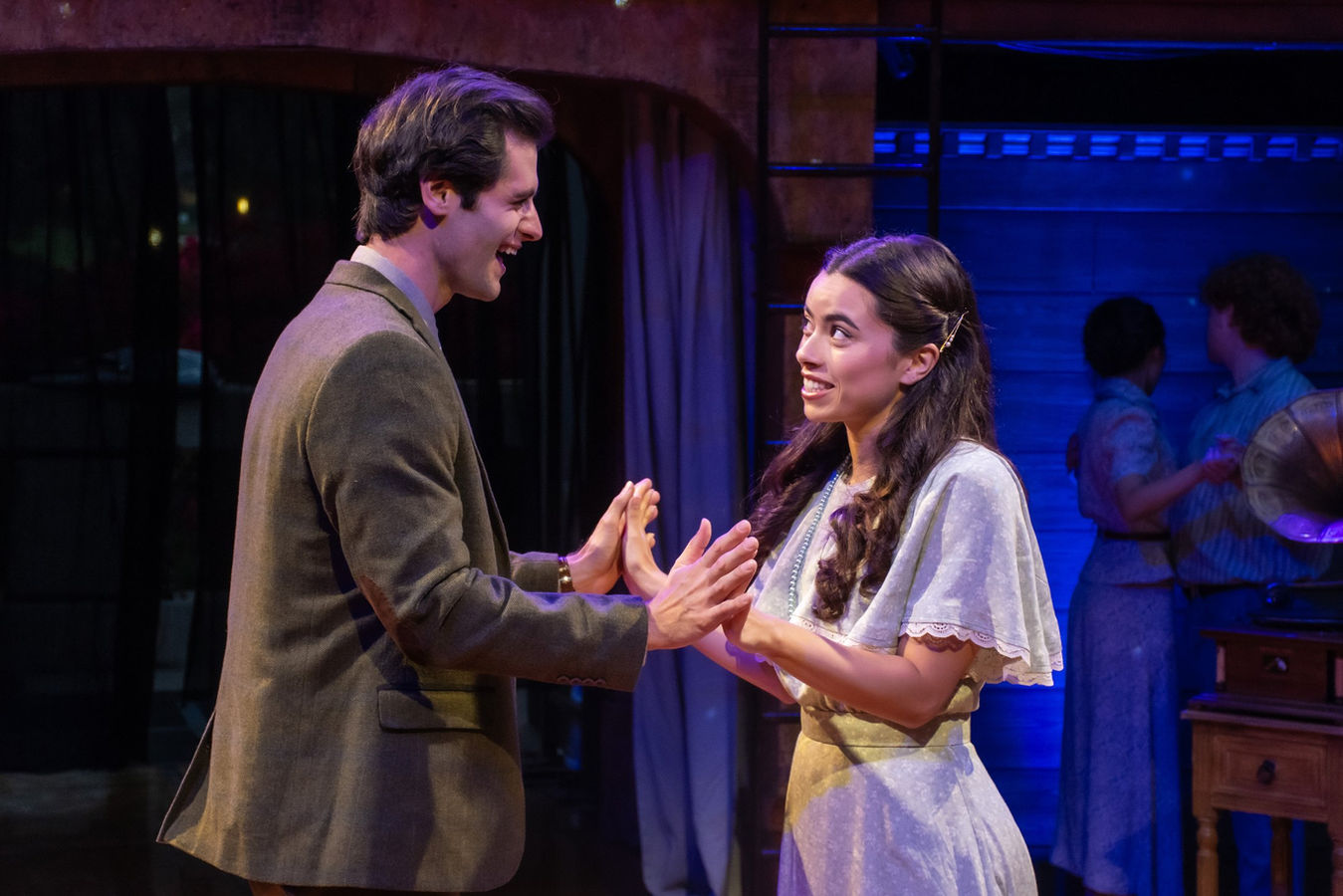


Million Dollar Quartet

The Merry Wives of Windsor Cove
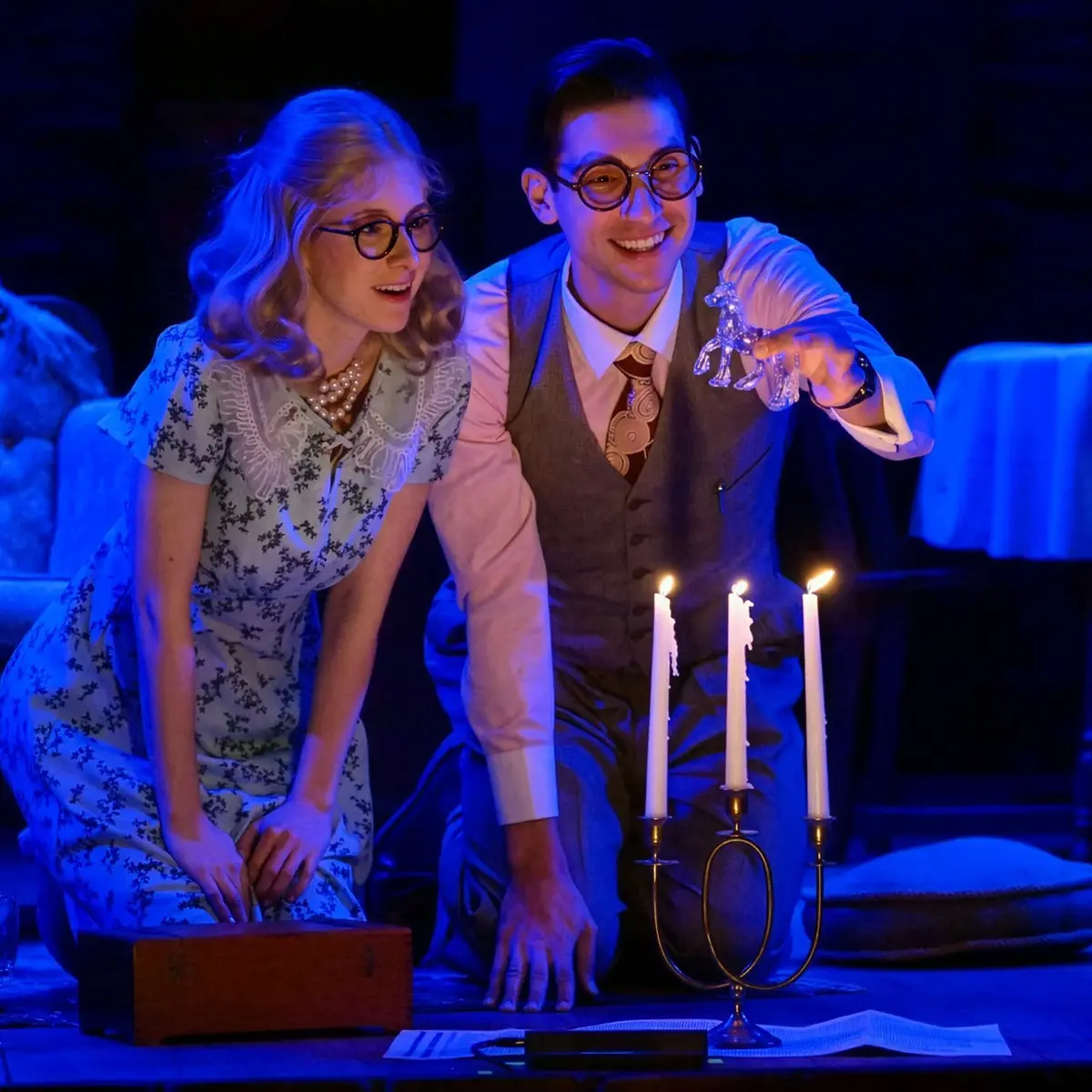
The Glass Menagerie
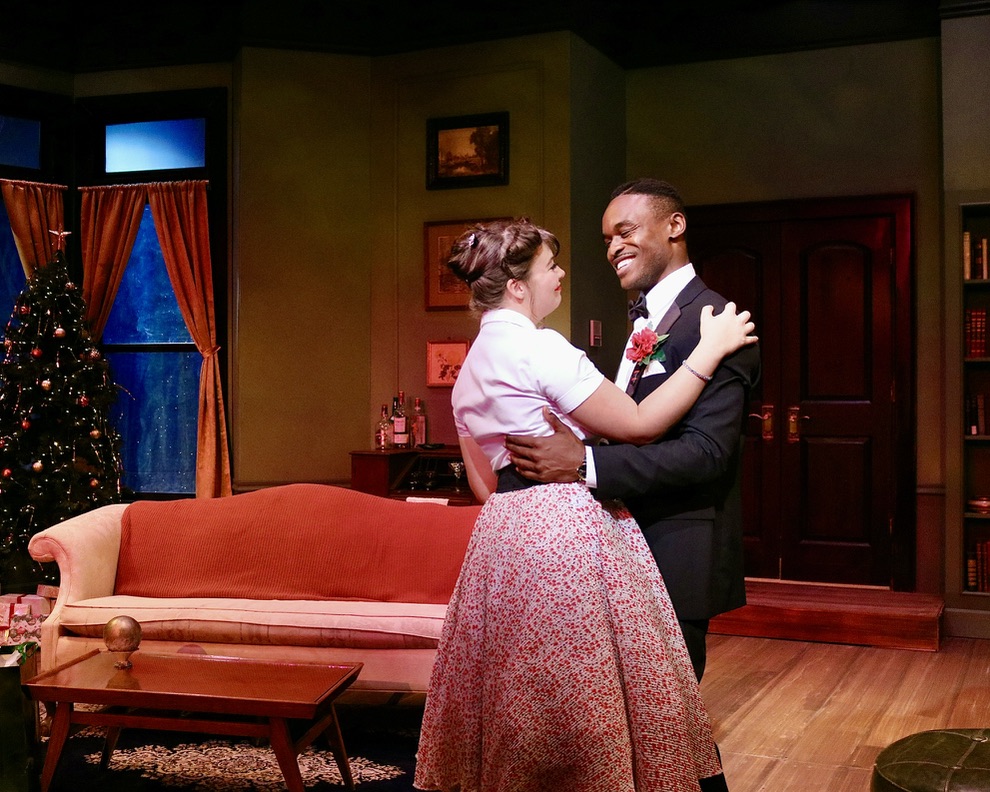
Bell, Book, and Candle

Head Over Heels

Romeo & Juliet

Much Ado About Nothing

¡LOTERIA: GAME ON!

A Funny Thing Happened on the Way to the Forum

Romero
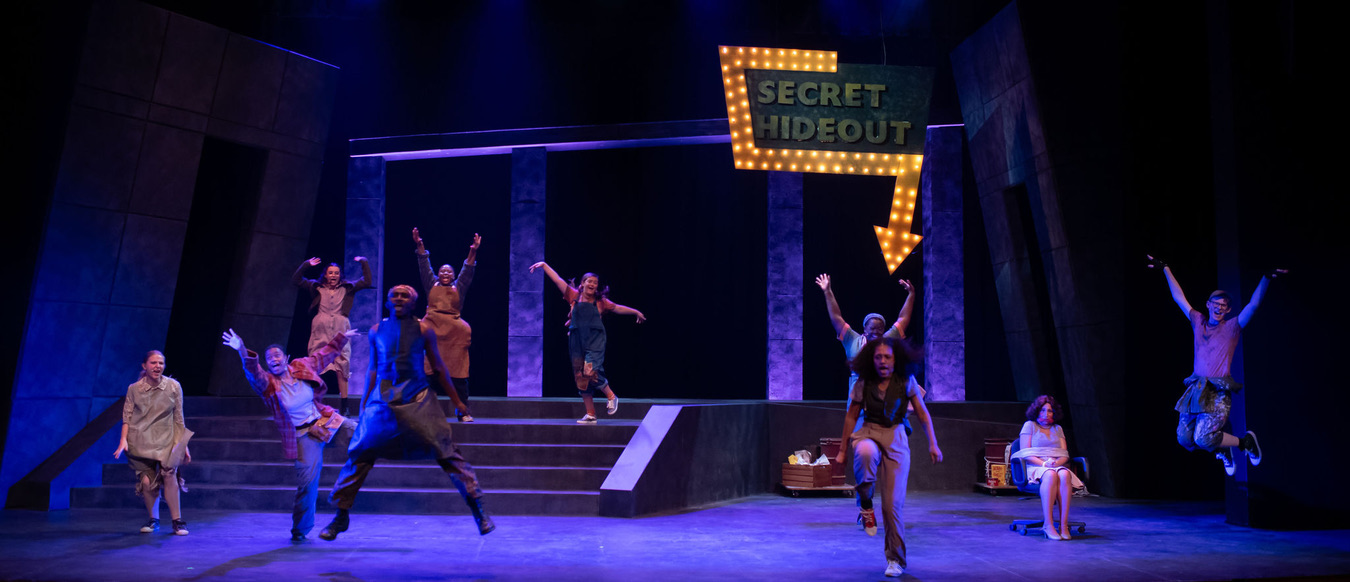
Urinetown

An Inspector Calls

All's Well That Ends Well

Little Shop of Horrors
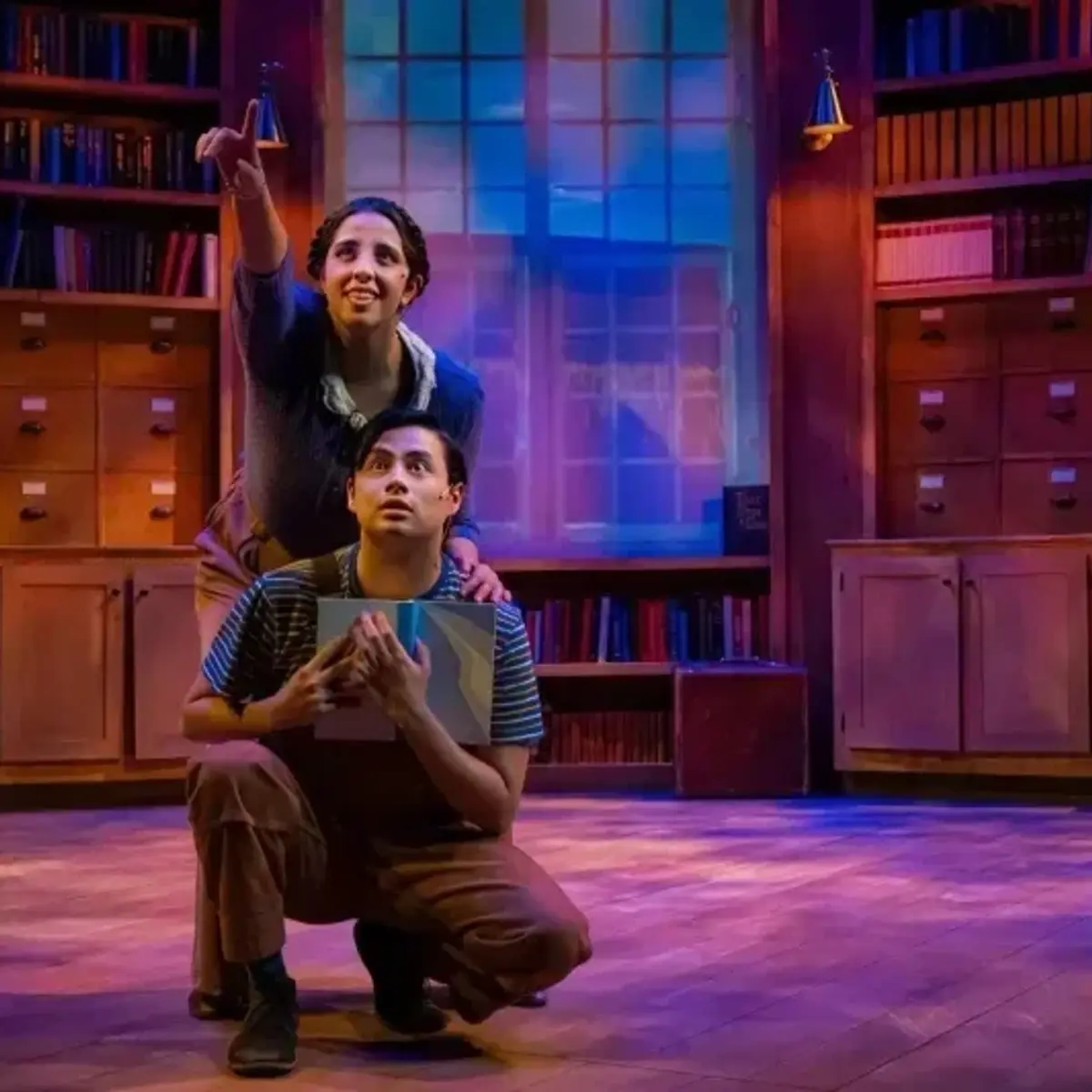
Tomás and the Library Lady
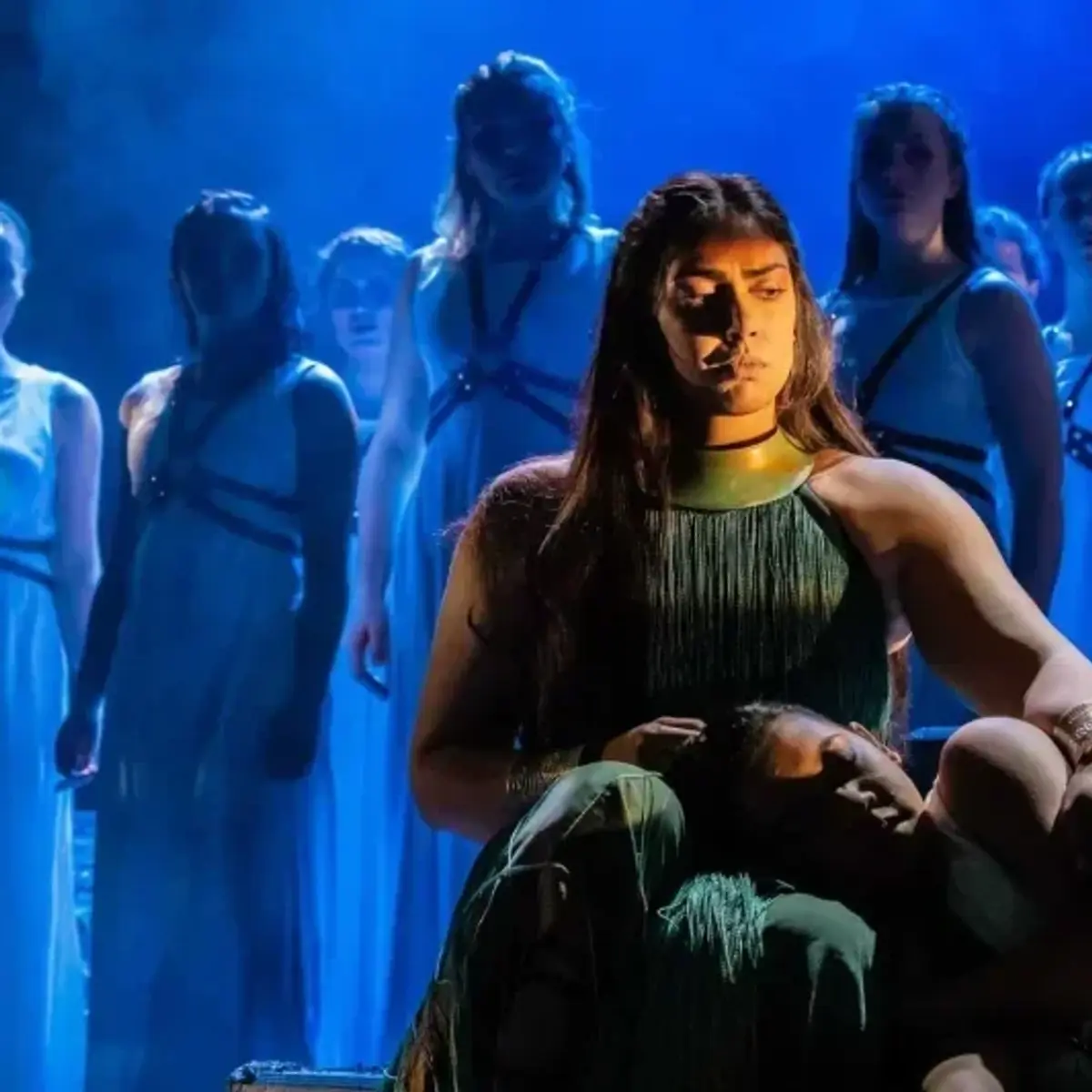
The Penelopiad

Company

American Idiot

Parliament Square

An Enemy of the People

The 25th Annual Putnam County Spelling Bee

Boeing, Boeing

The Bald Soprano

Vanya and Sonia and Masha and Spike

The Man of La Mancha

Dial “M” for Murder

All My Sons

Last Train to Nibroc

Rich Girl
